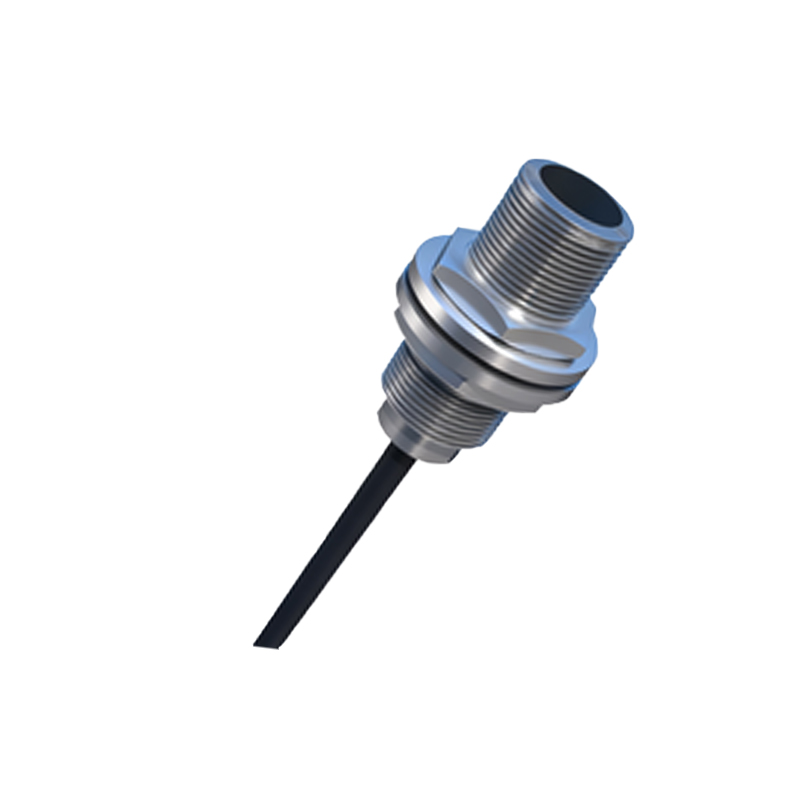
The renewable energy sector is experiencing unprecedented growth, driven by global commitments to reduce carbon emissions and transition toward sustainable power sources. Within this dynamic landscape, proximity sensors have emerged as critical components, ensuring the safety, efficiency, and reliability of complex systems. As a senior electrical engineer with extensive field experience, I have witnessed the transformative impact of specialized sensor technology on wind turbines, solar tracking arrays, and energy storage facilities. Leading enterprises in this niche are not merely component suppliers; they are innovation partners, pushing the boundaries of what is possible in harsh and demanding environments.
In wind energy applications, robust inductive and capacitive proximity sensors are indispensable for condition monitoring and safety. They provide precise feedback on blade pitch angle, gearbox position, and brake system status. The operational environment here is exceptionally challenging, characterized by extreme temperature fluctuations, high vibration, and exposure to moisture and contaminants. Top-tier manufacturers have responded by developing sensors with enhanced ingress protection (IP67/IP69K ratings), exceptional shock and vibration resistance, and extended operational temperature ranges. These sensors enable predictive maintenance strategies, detecting minute misalignments or wear in components before they lead to catastrophic failure, thereby minimizing downtime and maximizing energy yield.
Solar power generation, particularly in large-scale photovoltaic (PV) farms and concentrated solar power (CSP) plants, relies heavily on automated solar tracking systems. Here, the role of precision proximity sensors is paramount. They ensure that solar panels or mirrors accurately follow the sun's trajectory throughout the day. Magnetic and ultrasonic proximity sensors are commonly deployed to provide non-contact, real-time positional feedback to the control units. The key demands are high repeatability, long-term stability under constant UV exposure, and minimal power consumption. Innovative companies are integrating smart sensor technologies with Industrial Internet of Things (IIoT) platforms, allowing for centralized monitoring of thousands of sensors across a vast solar field, optimizing alignment and instantly flagging any performance deviations.
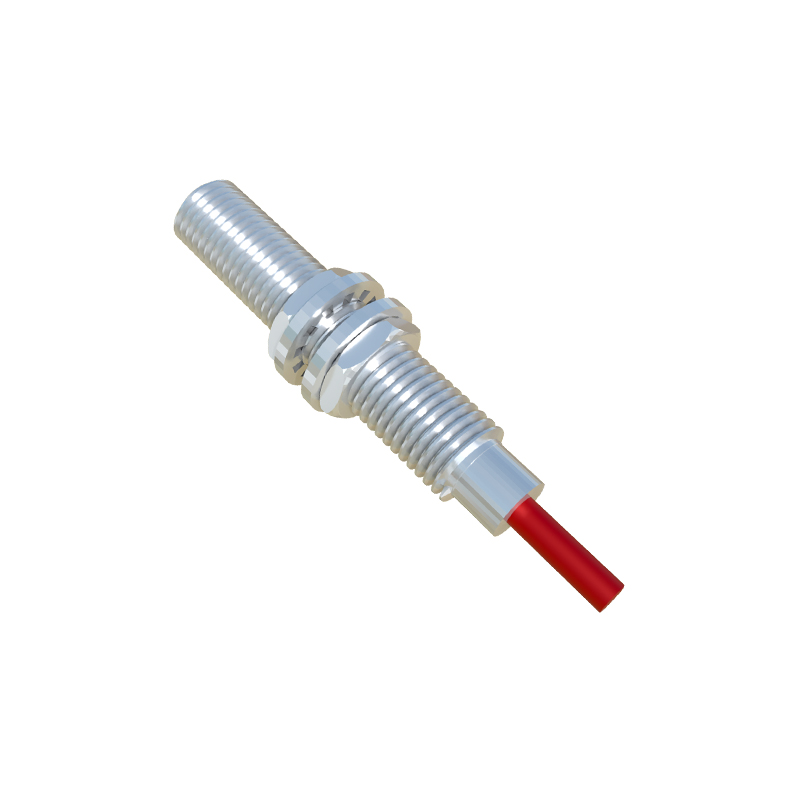
The burgeoning field of energy storage systems (ESS), including large battery banks for grid stabilization, presents another frontier. Safety is the paramount concern in these high-voltage, high-energy-density environments. Proximity sensors are used to monitor cabinet door status, coolant flow in thermal management systems, and the physical integrity of battery modules. They act as a first line of defense, ensuring that access panels are secure before systems are energized and detecting potential thermal runaway triggers. Manufacturers specializing in this area focus on sensors with intrinsically safe designs, high immunity to electromagnetic interference (EMI) from power electronics, and fail-safe operational logic.
The competitive edge for a proximity sensor enterprise in the renewable energy market is defined by several factors. First is application-specific engineering. Off-the-shelf sensors often fall short. Successful companies work closely with OEMs (Original Equipment Manufacturers) to customize sensing distance, housing material (e.g., stainless steel for corrosion resistance), output signals (PNP/NPN, IO-Link, analog), and mounting configurations. Second is durability and certification. Products must not only meet but exceed industry standards, carrying certifications from bodies like UL, CE, and ATEX for use in potentially explosive atmospheres. Third is the integration of digital intelligence. The next generation of sensors goes beyond simple switching; they provide diagnostic data (e.g., temperature, signal strength) via IO-Link or wireless protocols, feeding into digital twin models and AI-driven analytics platforms for holistic asset management.
Looking ahead, the synergy between advanced proximity sensing and renewable energy technology will only deepen. We can anticipate further miniaturization of sensors with equal or greater performance, wider adoption of wireless and energy-harvesting sensor nodes to simplify installation in remote locations, and deeper integration with machine learning algorithms for more nuanced predictive analytics. The companies that will lead are those investing relentlessly in R&D, fostering a deep understanding of electromechanical systems in renewable contexts, and building resilient supply chains. For engineers and project developers, selecting the right sensor partner is a strategic decision that directly impacts the levelized cost of energy (LCOE), system availability, and long-term operational safety. The unsung heroes of the energy transition are these precise, reliable, and intelligent devices that work silently in the background, enabling the clean power systems of today and tomorrow.