In industrial automation and control systems, proximity sensors play a critical role in detecting the presence or absence of objects without physical contact. Among various designs, proximity sensors with extended heads, often referred to as "convex" or "protruding" head sensors, offer unique advantages in specific applications. A key parameter defining their performance is the sensing distance, which determines how far the sensor can reliably detect a target. This article delves into the factors influencing sensing distance, its practical implications, and best practices for optimal deployment.
The sensing distance, typically specified as the nominal sensing distance (Sn), is the maximum range at which a standard target can be detected under defined conditions. For convex head proximity sensors, this distance is influenced by several intrinsic and extrinsic factors. The sensor's design, including the size and shape of the sensing face, the type of sensing technology (inductive, capacitive, or magnetic), and the material of the target, all contribute to the effective range. Inductive sensors, for instance, detect metallic objects, with sensing distances varying based on the metal's properties—ferrous metals like iron are detected at longer ranges compared to non-ferrous metals like aluminum or copper.
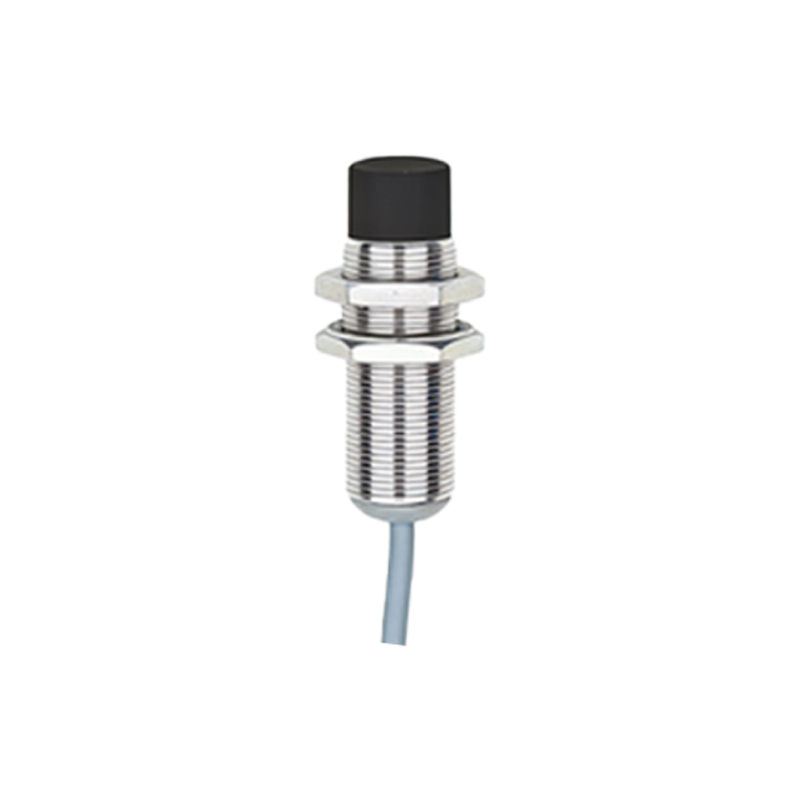
Extended head designs often incorporate a protruding sensing element, which can be beneficial in environments where space constraints or mounting challenges exist. The convex shape allows the sensor to be recessed or protected while still maintaining a functional sensing range. However, this design can also affect the sensing field distribution. Unlike flush-mounted sensors, convex head sensors may have a more focused or directional sensing field, which can enhance accuracy but might require precise alignment with the target. The sensing distance is usually measured along the central axis of the sensor, and deviations from this axis can reduce the effective range.
Environmental conditions significantly impact sensing distance. Temperature fluctuations, humidity, and the presence of contaminants like dust, oil, or coolant can attenuate the sensor's signal. Industrial standards, such as those set by IEC 60947-5-2, define test conditions for specifying sensing distances, typically at 20°C with a clean environment. In real-world applications, derating factors may need to be applied to account for harsh conditions. For example, high temperatures can reduce the performance of electronic components, while metallic shavings or conductive debris might cause false triggers or reduced range.
Selecting the right sensing distance involves balancing application requirements with sensor capabilities. A longer sensing distance might seem advantageous, but it can lead to unintended detection of background objects or increased susceptibility to interference. Conversely, a sensor with too short a range might fail to detect targets reliably, especially in dynamic or vibrating setups. Engineers should consider the target's size, material, and approach speed, as well as the required safety margins. For instance, in high-speed packaging lines, sensors with consistent and repeatable sensing distances are crucial to maintain throughput and prevent jams.
Installation practices are paramount to achieving the specified sensing distance. Proper mounting, alignment, and shielding can minimize external influences. It is recommended to follow the manufacturer's guidelines for mounting distances, typically avoiding metallic or conductive materials near the sensing face. Regular maintenance, including cleaning the sensor head and checking for wear, helps sustain performance over time. Additionally, using sensors with built-in diagnostics or adjustable sensitivity can provide flexibility in tuning the sensing distance to match specific operational needs.
In summary, the sensing distance of convex head proximity sensors is a multifaceted parameter shaped by design, environment, and application dynamics. By understanding these factors, engineers can make informed decisions to enhance system reliability and efficiency. As technology advances, sensors with improved materials, smarter electronics, and adaptive features continue to push the boundaries of what is possible in industrial sensing.