In the realm of industrial automation and electronic systems, proximity sensors stand as fundamental components, enabling machines to detect the presence or absence of objects without physical contact. These devices are pivotal in enhancing efficiency, safety, and precision across various applications. But what exactly is a proximity sensor? At its core, a proximity sensor is an electronic device designed to detect the presence of nearby objects and convert this detection into an electrical signal. Unlike mechanical switches, they operate contactlessly, which minimizes wear and tear and extends operational lifespan.
Proximity sensors function based on different physical principles, leading to several primary types. Inductive proximity sensors are among the most common. They generate an electromagnetic field and detect changes caused by metallic objects entering this field. These sensors are highly reliable for detecting metals and are widely used in manufacturing environments, such as in conveyor systems or robotic arms, where metal parts need counting, positioning, or monitoring. Capacitive proximity sensors, on the other hand, can detect both metallic and non-metallic materials, including liquids, plastics, and wood. They work by sensing changes in capacitance when an object enters their electrostatic field. This makes them versatile for applications like level detection in tanks or material handling of diverse substances.
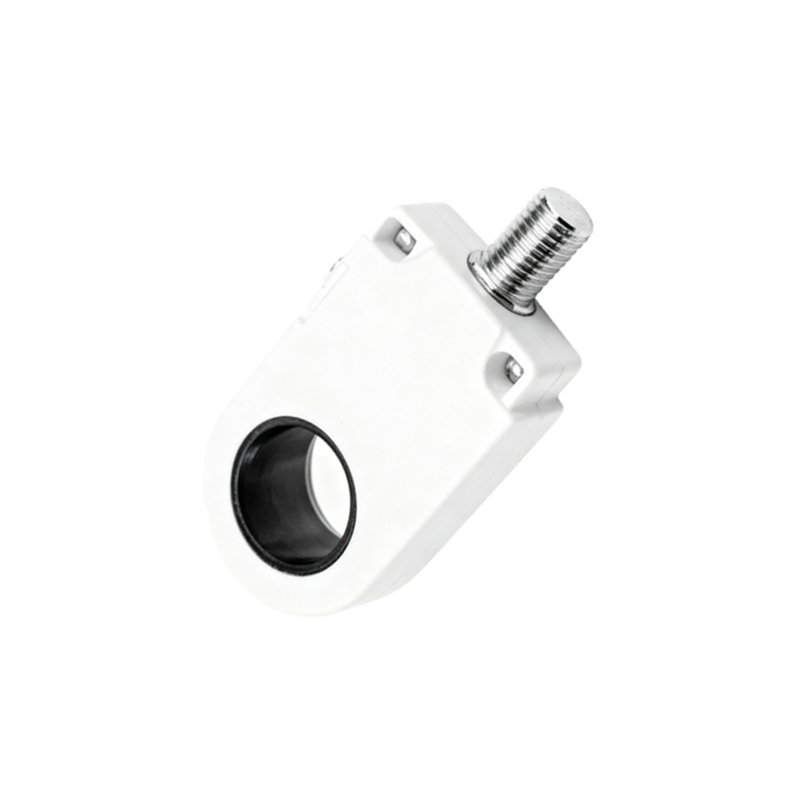
Another significant category is photoelectric proximity sensors, which utilize light beams to detect objects. They consist of a light emitter and a receiver. When an object interrupts or reflects the light beam, the sensor triggers a response. These sensors are excellent for long-range detection and can identify objects of various materials and colors, commonly applied in packaging, printing, and security systems. Ultrasonic proximity sensors use sound waves beyond human hearing to measure distance or detect objects. By emitting ultrasonic pulses and calculating the time taken for echoes to return, they can sense objects regardless of material composition, making them suitable for challenging environments with dust, moisture, or varying temperatures, such as in automotive assembly or liquid level control.
Magnetic proximity sensors detect permanent magnets, often using reed switches or Hall effect sensors. They are simple, cost-effective, and used in applications where position sensing of moving parts is needed, like in door switches or speed measurement. Each type has distinct advantages: inductive sensors offer robustness for metal detection, capacitive sensors provide material versatility, photoelectric sensors ensure long-range accuracy, ultrasonic sensors excel in harsh conditions, and magnetic sensors deliver reliability in simple setups.
The applications of proximity sensors span numerous industries. In automotive manufacturing, they ensure precise positioning of components on assembly lines. In consumer electronics, they enable touchless interfaces, such as automatic screen dimming in smartphones. In food and beverage processing, capacitive sensors monitor liquid levels without contamination. In logistics, photoelectric sensors facilitate package sorting and inventory management. Moreover, their role in safety systems—like detecting personnel near hazardous machinery—underscores their importance in preventing accidents and complying with regulations.
Selecting the right proximity sensor involves considering several factors. First, identify the target material: for metals, inductive sensors are ideal; for non-metals, capacitive or photoelectric types may be better. Environmental conditions matter—factors like temperature extremes, humidity, dust, or chemical exposure can influence sensor performance, with ultrasonic or ruggedized models often preferred for tough settings. Detection range and response time are critical for high-speed applications, such as in packaging machinery. Output type (e.g., digital or analog) should match the control system requirements, while mounting and size constraints must align with the installation space. Additionally, cost-effectiveness and maintenance needs play a role in long-term operational planning.
In summary, proximity sensors are indispensable tools in modern technology, offering contactless detection that boosts automation and safety. By understanding their types—inductive, capacitive, photoelectric, ultrasonic, and magnetic—along with their specific applications and selection criteria, engineers and technicians can optimize system performance. As industries evolve toward smarter, more connected environments, the demand for advanced proximity sensing solutions continues to grow, driving innovation in sensor technology for a more efficient and responsive world.