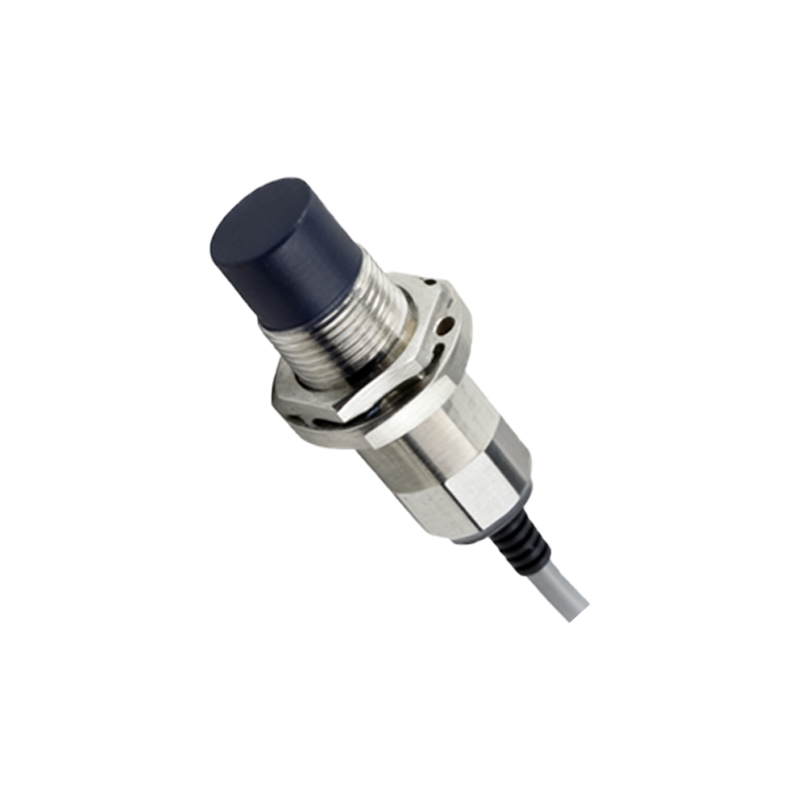
In today's rapidly evolving industrial landscape, the demand for reliable, non-contact detection systems has never been greater. Proximity sensor monitoring stands at the forefront of this technological shift, providing a critical layer of automation, safety, and operational intelligence. Unlike traditional mechanical switches, these sensors detect the presence or absence of an object without any physical contact, using electromagnetic fields, light, or sound. This fundamental characteristic eliminates wear and tear, significantly extends component lifespan, and enables applications in harsh, dirty, or sensitive environments where contact is impractical or dangerous.
The core principle involves the sensor generating a field or beam and monitoring for changes caused by a target object entering its detection range. Inductive sensors, for instance, are ideal for detecting metals. They create an electromagnetic field; when a metallic object disrupts this field, the sensor triggers an output signal. Capacitive sensors, on the other hand, can detect both metallic and non-metallic materials like liquids, plastics, or wood by sensing changes in capacitance. Ultrasonic sensors use sound waves, making them excellent for distance measurement and detecting objects regardless of color or material transparency. Photoelectric sensors utilize light beams, offering very long sensing ranges and high precision.
Implementing a robust proximity sensor monitoring system goes beyond mere installation. It involves continuous oversight to ensure peak performance and preempt failures. Modern monitoring integrates these sensors into networked systems, such as Programmable Logic Controllers (PLCs) or the Industrial Internet of Things (IIoT). This connectivity allows for real-time data acquisition on sensor status, detection counts, and environmental conditions. Operators can view dashboards that show the operational health of hundreds of sensors across a facility, receiving instant alerts for malfunctions like sensor drift, blockage, or wiring faults.
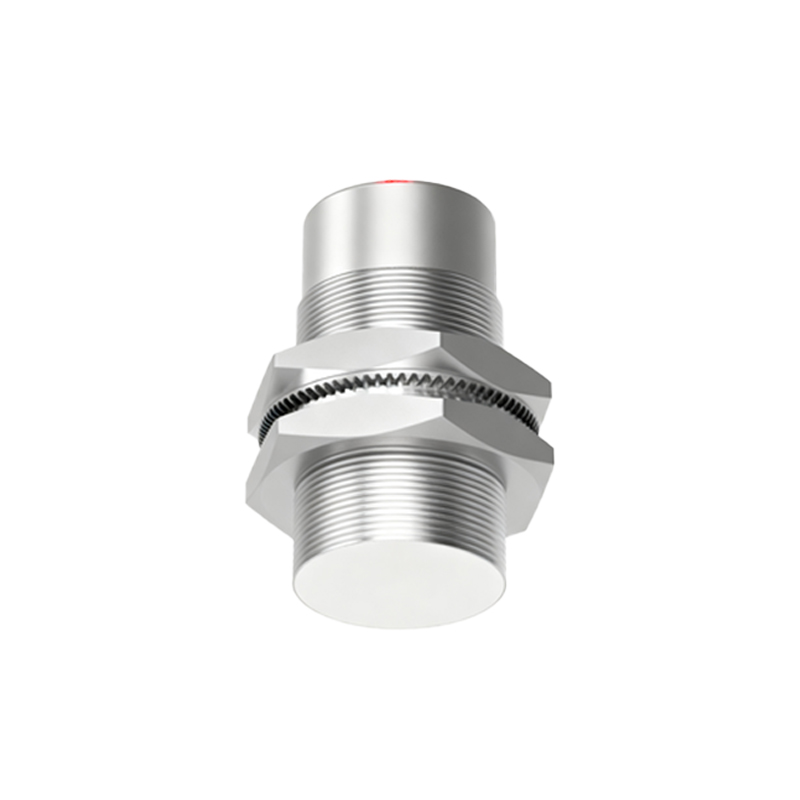
The benefits of such vigilant monitoring are manifold. Primarily, it is a powerhouse for predictive maintenance. Instead of waiting for a sensor to fail and cause costly downtime, monitoring trends can indicate when a sensor is beginning to behave erratically—perhaps due to accumulated debris, temperature fluctuations, or aging components. Maintenance can be scheduled proactively, preventing unplanned stoppages. Furthermore, in safety-critical applications, such as on robotic arms or automated guided vehicles (AGVs), continuous monitoring ensures that safety curtains and presence-detection systems are always functional, protecting personnel from accidents.
Data collected from sensor networks also feeds into broader efficiency analyses. For example, in packaging lines, monitoring the actuation count of sensors tracking products can provide precise throughput rates and identify bottlenecks. In automotive assembly, sensors monitoring part placement contribute to quality control by verifying each step of the process. This data-driven insight allows for continuous optimization of production flow, reducing waste and improving overall equipment effectiveness (OEE).
Choosing the right sensor and monitoring protocol depends heavily on the application. Factors such as target material, required sensing distance, environmental conditions (like dust, moisture, or temperature extremes), and required response speed must all be considered. A well-designed system will match the sensor technology to the physical challenge while ensuring the output signals can be seamlessly integrated into the plant's control and monitoring architecture. Regular calibration checks, as part of the monitoring routine, are essential to maintain accuracy over time.
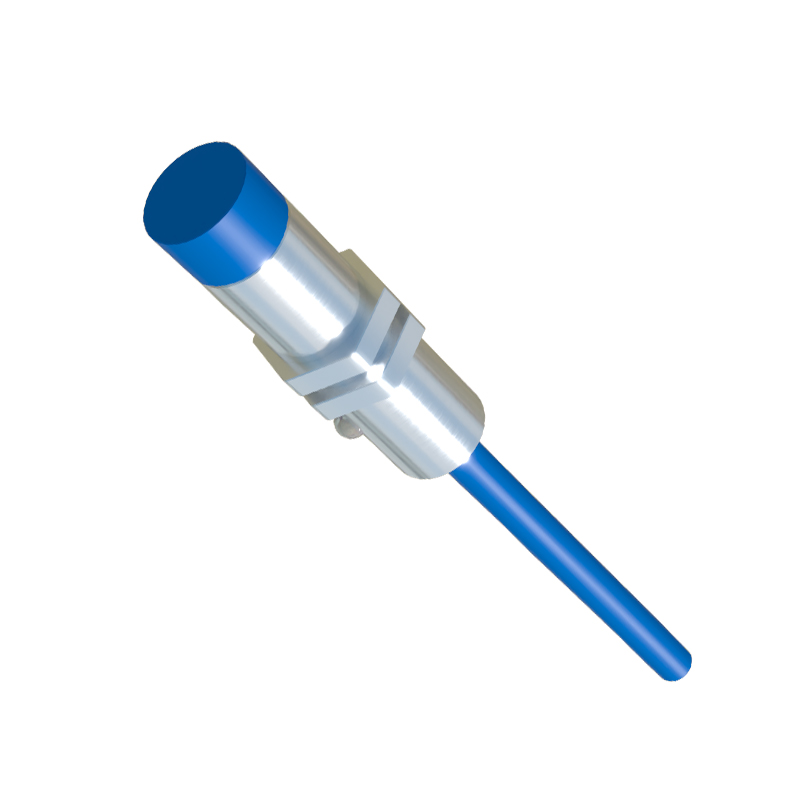
As industries move towards smarter, more autonomous operations, the role of proximity sensor monitoring will only expand. It forms the essential sensory layer of the digital factory, providing the raw data that fuels analytics, machine learning, and fully automated decision-making. From ensuring a bottle cap is properly sealed on a high-speed line to preventing collisions in a fully automated warehouse, these silent sentinels, when properly monitored, are indispensable for building resilient, safe, and highly efficient industrial operations. Their value lies not just in detection, but in the intelligent, connected monitoring that transforms simple presence/absence signals into actionable business and operational intelligence.