In the world of automation and smart technology, proximity sensors play a crucial, yet often unseen, role. These devices are fundamental components that detect the presence or absence of an object within a specific range without any physical contact. The principle is elegantly simple: a proximity sensor emits an electromagnetic field or a beam of radiation, and then looks for changes in the field or return signal. The object being detected is often referred to as the sensor's "target.
The primary advantage of non-contact sensing is clear: it eliminates mechanical wear and tear, allows for high-speed operation, and functions reliably in harsh environments where dirt, oil, or moisture would compromise physical switches. This makes them indispensable in modern industrial, automotive, and consumer applications.
Several key types of proximity sensors dominate the market, each with its own operating principle and ideal use case.
Inductive proximity sensors are perhaps the most common in industrial settings. They generate an oscillating electromagnetic field. When a metallic target enters this field, it induces eddy currents within the target, which causes a change in the oscillation amplitude. This change is detected by the sensor's circuitry, triggering an output signal. These sensors are robust, cost-effective for metal detection, and excel in environments with contaminants. However, they only detect metals, with different metals affecting the sensing distance.
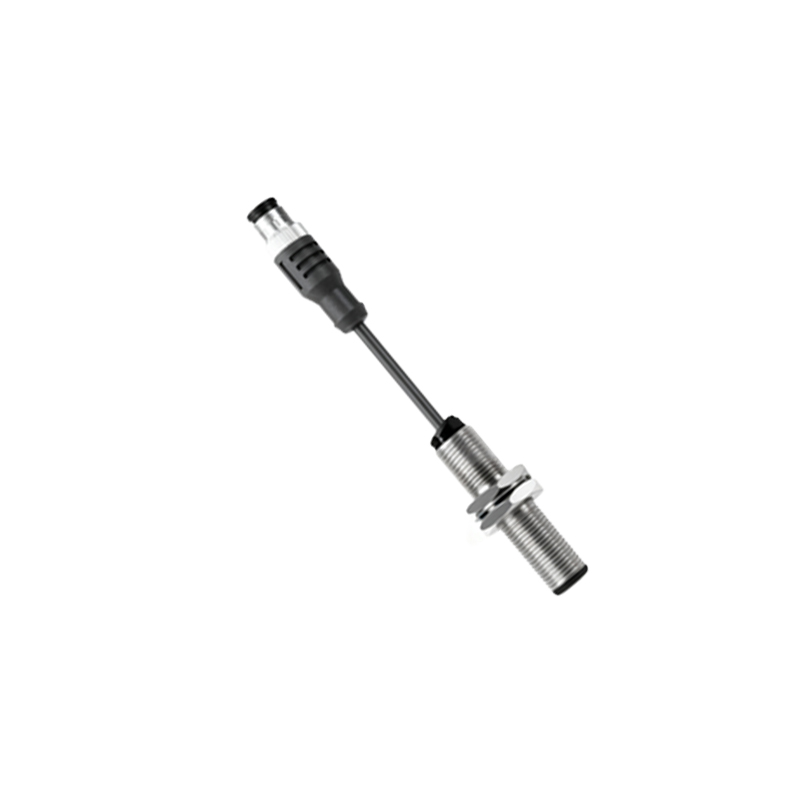
Capacitive proximity sensors can detect both metallic and non-metallic materials, including liquids, powders, plastics, and wood. They function by generating an electrostatic field. Any object that enters this field alters the capacitance of the system, which is measured by the sensor. This makes them versatile for applications like liquid level detection, material handling, and presence sensing of non-metals. They can be sensitive to environmental factors like humidity.
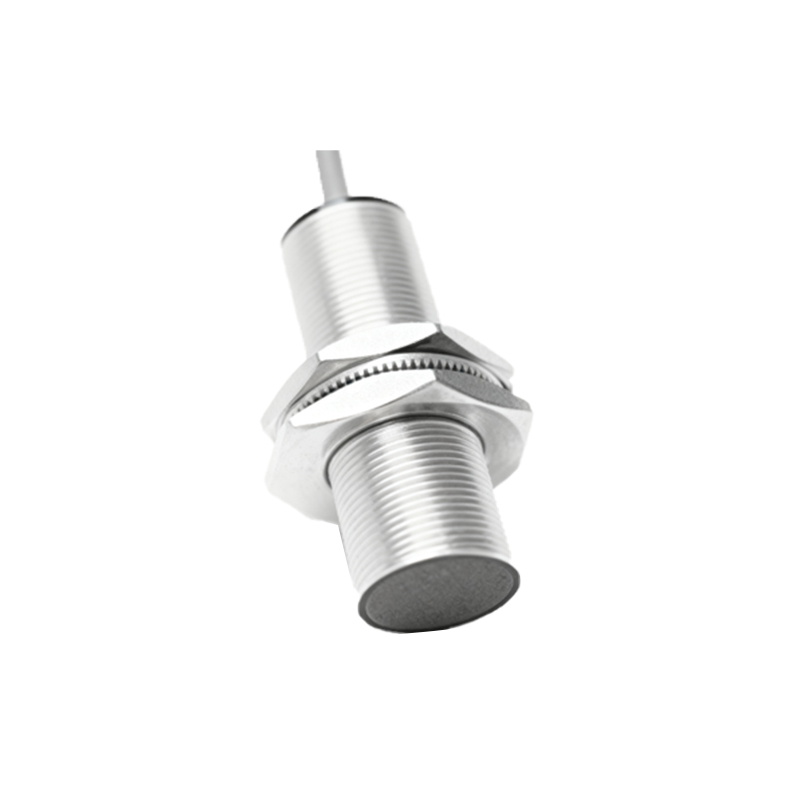
Ultrasonic proximity sensors operate by emitting high-frequency sound waves and measuring the time it takes for the echo to return. The time-of-flight calculation determines the distance to the target. These sensors are excellent for detecting objects of virtually any material, shape, or color, and are effective over longer ranges. They are used in parking assist systems, tank level monitoring, and object profiling. Performance can be affected by temperature, wind, and the absorbency of the target material.
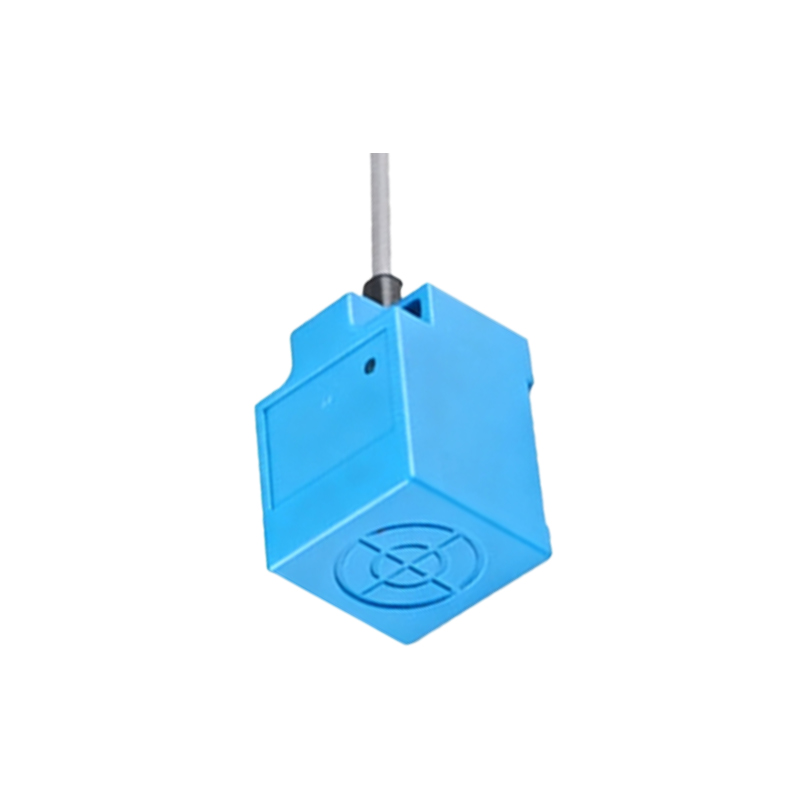
Photoelectric sensors use light, typically infrared or laser, to detect objects. They consist of an emitter and a receiver. In the through-beam type, the object breaks the light beam between separate units. In the retro-reflective type, the object interrupts the beam reflected from a reflector. In the diffuse type, the sensor detects light reflected directly off the target itself. Photoelectric sensors offer very long sensing ranges and fast response times, suitable for packaging, assembly lines, and safety curtains.
Magnetic proximity sensors, often called reed switches or Hall-effect sensors, detect the presence of a permanent magnet. They are simple, low-power, and highly reliable, commonly used for door/window position sensing, limit switches, and in automotive applications for detecting rotational speed.
Selecting the right proximity sensor requires careful consideration of several factors. The target material is paramount: is it metal, plastic, liquid, or transparent? The required sensing distance, or range, must be specified. Environmental conditions such as temperature extremes, washdown requirements, or exposure to chemicals will dictate the sensor's housing and ingress protection (IP) rating. The output type is also critical; common outputs include NPN/PNN transistors for DC circuits or relay contacts for AC loads, with analog outputs available for distance-proportional signals.
Applications are vast and growing. In manufacturing, they count products, control robotic arms, and verify part placement. In automotive assembly, they ensure precise positioning. In consumer electronics, they deactivate touchscreens when a phone is held to the ear. In building automation, they control lighting and monitor security.
In conclusion, proximity sensors are the silent sentinels of automation. Understanding their different technologies—inductive, capacitive, ultrasonic, photoelectric, and magnetic—is essential for choosing the correct tool for the job. By matching the sensor's capabilities to the application's demands for target, range, environment, and output, engineers and technicians can build systems that are more reliable, efficient, and intelligent. Their continued evolution will be a key driver in the advancement of the Internet of Things and smarter, more responsive machines.