In the realm of modern electronic device design, the integration of environmental sensors is paramount for enhancing user interaction, power efficiency, and system intelligence. A frequent query among electrical engineers and product designers working with compact systems is: "Does the P60 module or device incorporate a proximity sensor?" This article provides a detailed technical examination of this topic, addressing functionality, typical implementations, and design considerations.
Firstly, it is crucial to specify the context of "P60." In the electronics industry, "P60" could refer to a specific microcontroller unit (MCU), a system-on-module (SoM), a development board, or even a product model from various manufacturers. Without a definitive manufacturer prefix (e.g., STM32P60, ESP32-P60), we must analyze the question from a general architectural and feature-set perspective common to many modern integrated circuits and modules designed for IoT, handheld devices, or embedded systems.
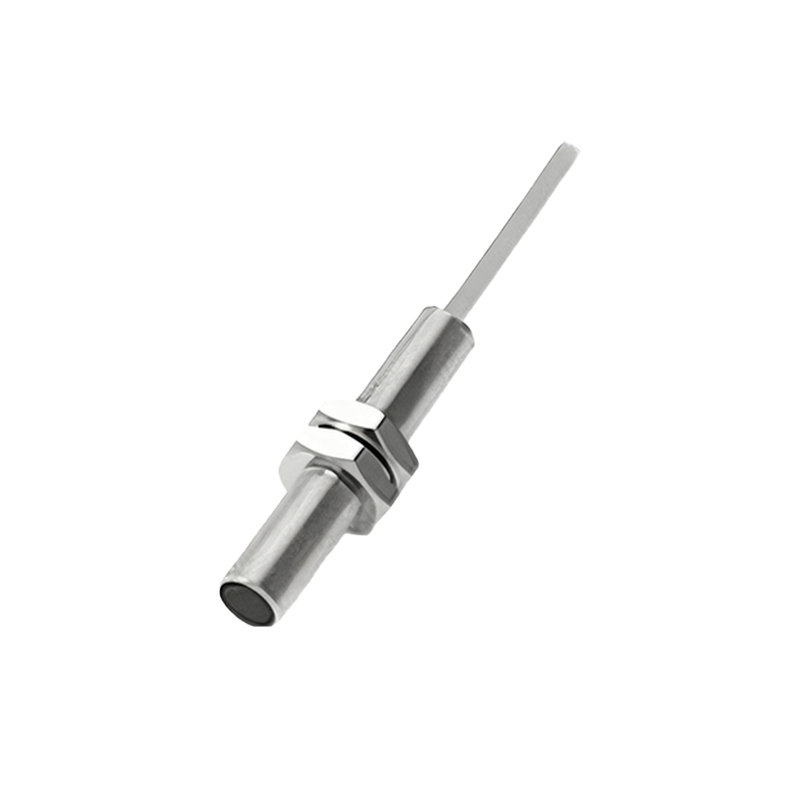
A proximity sensor is a non-contact sensor that detects the presence of nearby objects, typically using infrared (IR) LEDs and photodiodes, capacitive sensing, or ultrasonic methods. Its primary functions include disabling a touchscreen during a call to prevent accidental touches, managing display backlight to save power, and enabling gesture-based controls.
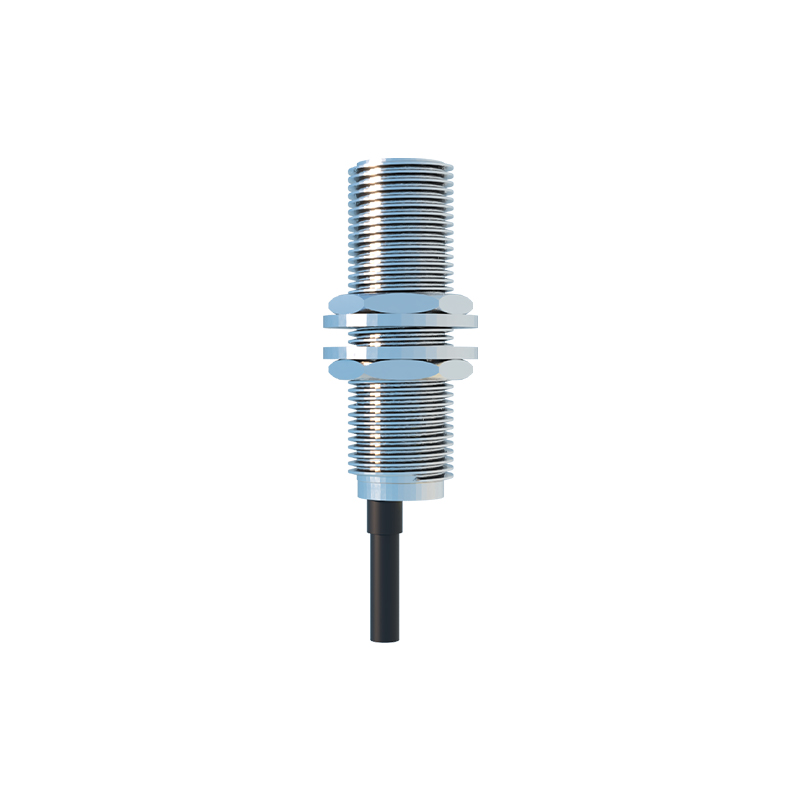
Examining common specifications for modules or chipsets that might carry a "P60" designation, especially those targeted at mobile or interactive applications, reveals a trend. High-performance, feature-rich MCUs or communication modules often integrate a suite of sensors or provide dedicated interfaces for them. However, the inclusion of a dedicated, on-chip proximity sensor is relatively rare. More commonly, these components facilitate the connection to an external proximity sensor via standard digital or analog interfaces.
For instance, a typical "P60" class device would likely feature:
Multiple GPIO (General-Purpose Input/Output) pins configurable for I2C or SPI communication.
Analog-to-Digital Converters (ADCs) for reading analog output from certain sensor types.
Integrated infrared/bluetooth controllers which can sometimes be leveraged in sensor fusion algorithms.
These features are essential for interfacing with external proximity sensor ICs, such as the popular VCNL4040, APDS-9960, or VL53L0X. Therefore, while the core "P60" silicon may not house the photodiode and emitter internally, its architecture is almost certainly designed to support seamless integration of an external proximity sensor component on the PCB.
The design implementation involves connecting the external sensor via I2C, the most prevalent bus for such peripherals. The "P60" host would handle power management, data polling or interrupt handling, and processing of the raw digital proximity data. Firmware plays a critical role in calibrating the sensor, setting detection thresholds, and managing the system response (e.g., turning off an LCD).
From a signal integrity and power management standpoint, integrating a proximity sensor requires careful PCB layout. The IR LED driver circuit must be isolated from sensitive analog traces to prevent noise interference in the receiving photodiode's signal. The "P60" module's power regulation system must account for the pulsed current draw of the IR emitter. Engineers must consult the specific "P60" device datasheet for GPIO sink/source current capabilities and noise characteristics of its ADC if used.
In conclusion, the direct answer is: A specific "P60" component is unlikely to have a built-in, monolithic proximity light sensor. However, a system designed around a "P60" core module will almost invariably support and often require the addition of an external proximity sensor IC for any application involving user proximity detection. The key for the design engineer is to verify the interface capabilities (I2C, ADC, GPIO drive strength) of the exact "P60" part number in use and select a compatible external sensor. The true engineering task lies not in finding an integrated solution, but in skillfully implementing the sensor peripheral, ensuring precise firmware control, and optimizing the layout for reliable operation—all capabilities a well-designed "P60" class device should empower.