In the competitive landscape of industrial automation, capacitive proximity sensors are indispensable components, renowned for their ability to detect a wide range of materials, including liquids, powders, and non-metallic solids. For procurement specialists, engineers, and business owners, understanding the factors that determine the factory price of these sensors is crucial for effective budgeting and sourcing. The factory price, or the original equipment manufacturer (OEM) price, is not a single fixed number but a variable influenced by a complex interplay of technical specifications, market dynamics, and commercial terms.
At the core of the pricing structure are the sensor's technical parameters. The sensing range is a primary cost driver. A standard 5mm to 10mm range sensor is typically the most economical. However, specialized models offering extended ranges of 25mm, 40mm, or more require more sophisticated internal circuitry and larger sensing surfaces, leading to a higher manufacturing cost. Similarly, the housing material significantly impacts price. Economical sensors often use plastic (e.g., PBT) housings, while applications demanding high chemical resistance, extreme temperatures, or mechanical durability necessitate stainless steel (e.g., V2A, V4A) or nickel-plated brass housings, which are more expensive. The ingress protection (IP) rating, such as IP67 or IP69K, also adds cost due to the need for superior sealing technologies.
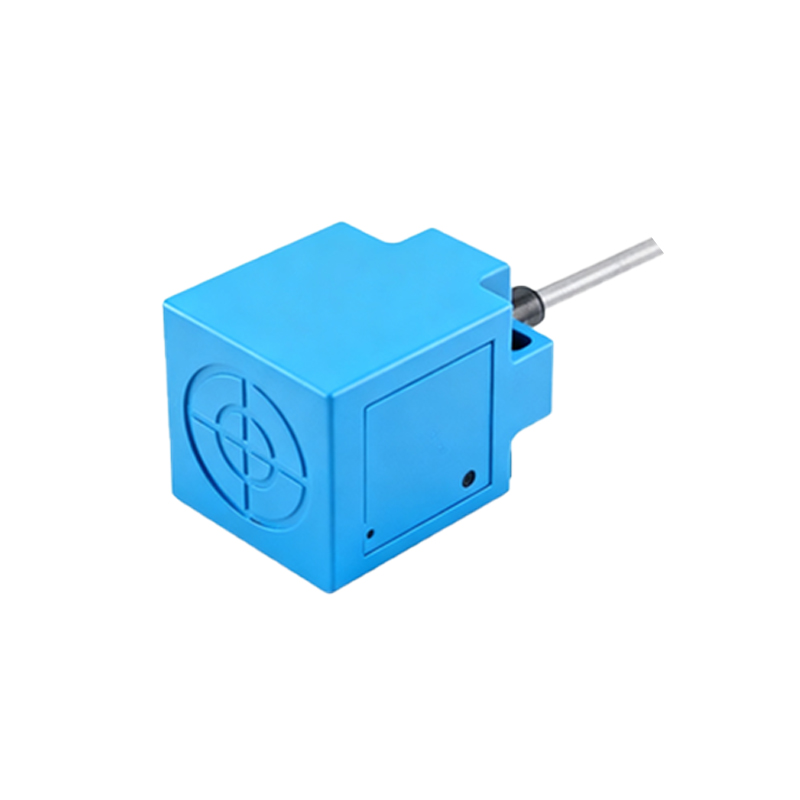
Output configuration is another critical factor. Basic two-wire AC/DC sensors are generally lower in price. Three-wire DC sensors with NPN or PNP transistor outputs, the industry standard, offer a mid-range price point. More advanced models featuring analog outputs (4-20mA, 0-10V), IO-Link digital communication, or short-circuit and overload protection incorporate additional electronic components and firmware, commanding a premium. The choice between shielded (flush-mountable) and unshielded (non-flush mountable) designs also plays a role, with shielded variants often being slightly more costly due to their focused sensing field.
Beyond the product itself, order volume is the most powerful lever on factory pricing. Manufacturers operate on economies of scale. A quotation for 100 units will have a drastically higher per-unit cost compared to an order for 10,000 units. Large volume orders allow manufacturers to optimize production lines, purchase raw materials in bulk at discounted rates, and distribute fixed costs, resulting in a significantly lower factory price. Establishing a framework agreement or annual blanket purchase order (BPO) can secure favorable pricing for recurring needs.
Brand positioning and supply chain logistics are external yet vital influences. Established global brands with a reputation for high reliability, extensive R&D, and global warranty support often price their sensors at a premium. In contrast, value-oriented or regional manufacturers may offer more competitive factory prices, though potentially with trade-offs in certification breadth or lead time. Furthermore, the geographic location of the manufacturing plant and the chosen incoterms (e.g., EXW, FOB, CIF) directly affect the landed cost. Rising costs of raw materials like copper, semiconductors, and plastics, as well as global freight charges, are frequently reflected in periodic price adjustments from factories.
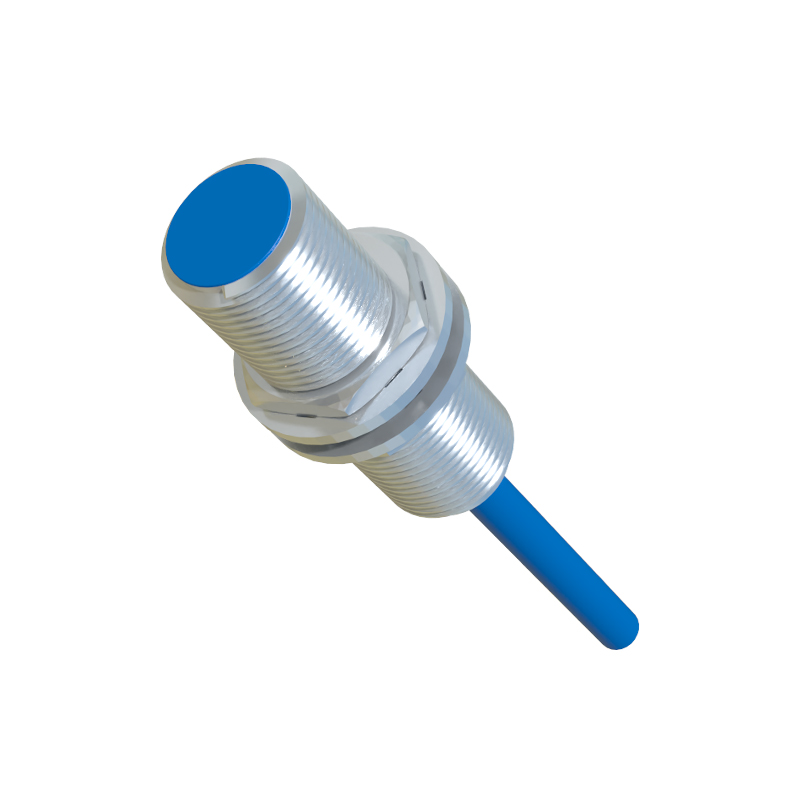
To navigate this landscape effectively, buyers should provide detailed RFQs (Request for Quotation) specifying all required parameters: sensing range, housing material and size, thread type, output type, voltage range, and required certifications (e.g., UL, CE, ATEX for hazardous areas). Engaging in direct discussions with the manufacturer's sales engineers can sometimes reveal cost-optimized alternatives that meet the application's core requirements without over-specification. Ultimately, the most advantageous factory price is achieved not merely by finding the cheapest option, but by aligning precise technical needs with strategic purchasing practices, ensuring long-term reliability and total cost of ownership.