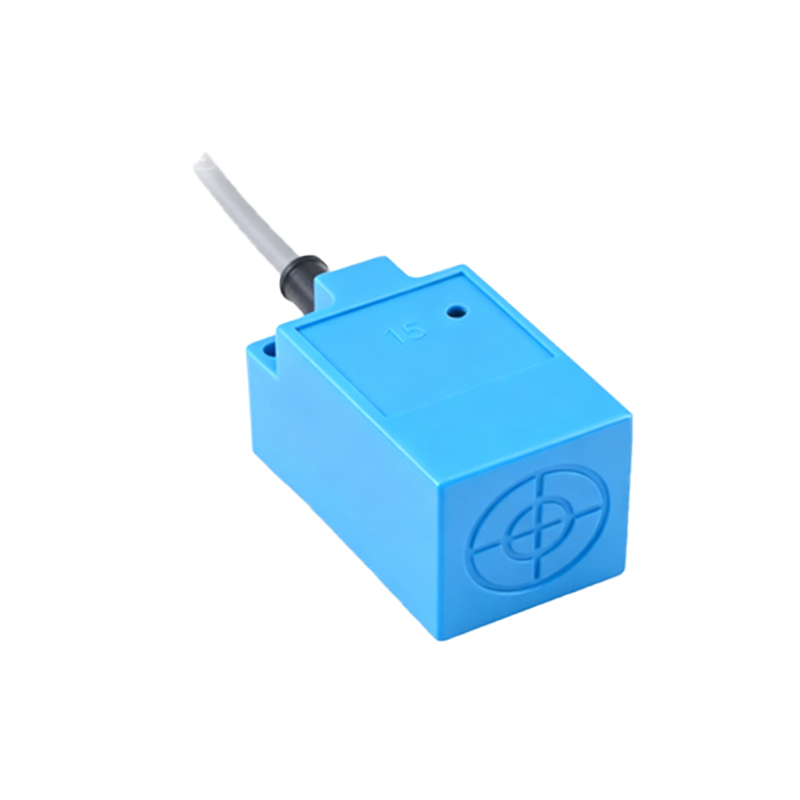
Two-wire proximity sensors are widely used in industrial automation for detecting the presence or absence of objects without physical contact. Their simplicity and reliability make them a popular choice in various applications, from manufacturing lines to material handling systems. Understanding the correct wiring methods is crucial to ensure optimal performance, safety, and longevity of these sensors. This article provides a comprehensive guide to wiring two-wire proximity sensors, covering principles, steps, common pitfalls, and best practices.
Two-wire proximity sensors operate by connecting directly in series with the load, such as a relay, programmable logic controller (PLC) input, or indicator light. Unlike three-wire sensors, they do not have separate power and signal wires, which simplifies installation but requires careful consideration of electrical characteristics. These sensors are typically available in two types: AC (alternating current) and DC (direct current) versions. AC sensors often work with voltages like 120V or 240V, while DC sensors commonly use 12V or 24V systems. Before wiring, always refer to the sensor's datasheet to confirm voltage ratings, current capacity, and wiring diagrams to avoid damage or malfunction.
The basic wiring process involves connecting the two wires of the sensor to the power supply and the load. For a standard setup, follow these steps: First, ensure the power is turned off to prevent electrical shocks or short circuits. Identify the sensor's wires, which are usually color-coded (e.g., brown for positive/live and blue for negative/neutral in DC sensors, or black and white in AC sensors). Connect one wire to the positive terminal of the power supply (for DC) or the live phase (for AC). Then, connect the other wire to one terminal of the load. Finally, complete the circuit by linking the load's other terminal to the negative or neutral side of the power supply. This series connection allows the sensor to control the current flow through the load based on detection.
Key considerations include voltage drop and leakage current. Two-wire sensors have a residual current (leakage current) even when in the "off" state, which can cause issues with sensitive loads like PLC inputs. To mitigate this, ensure the load's impedance is low enough to prevent false triggering. For example, if using a PLC, check its input specifications and consider adding a shunt resistor if necessary. Additionally, voltage drop across the sensor can reduce the voltage available to the load, so verify that the power supply voltage is sufficient under all operating conditions. Use proper wire gauges to minimize resistance and avoid long cable runs that exacerbate voltage loss.
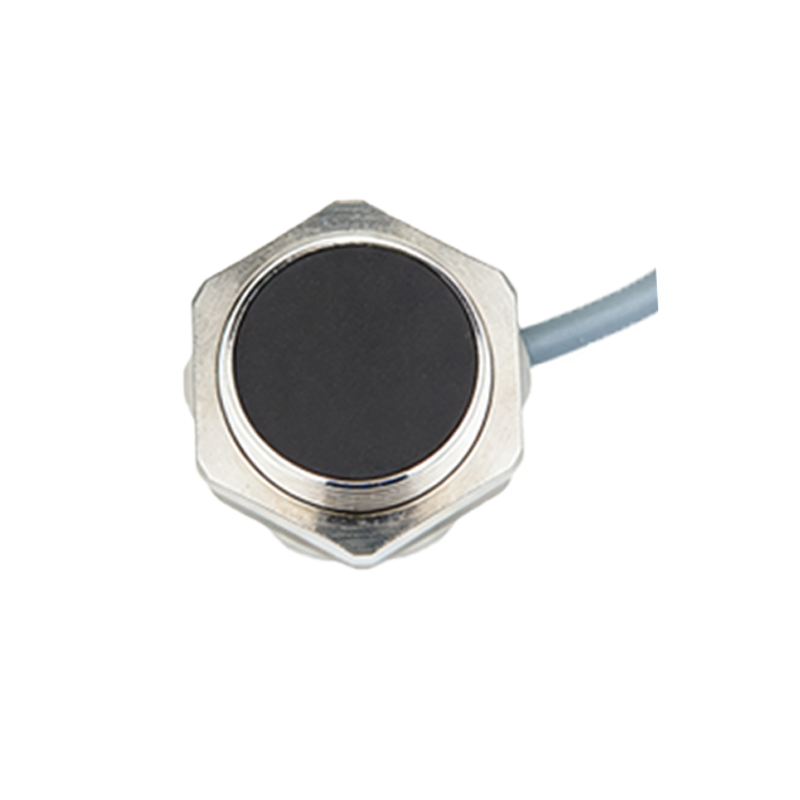
Common wiring mistakes include incorrect polarity for DC sensors, which can lead to failure or reduced lifespan. Always observe polarity markings on the sensor and power supply. Another error is overloading the sensor beyond its rated current, causing overheating or permanent damage. Calculate the total load current, including inrush currents for inductive loads like relays, and select a sensor with an appropriate current rating. Environmental factors also matter: protect wires from abrasion, moisture, and electromagnetic interference by using conduits or shielded cables in harsh industrial settings.
For enhanced reliability, implement best practices such as testing the circuit with a multimeter before full operation. Measure voltage at the load to ensure it meets requirements when the sensor is active and inactive. Regularly inspect connections for looseness or corrosion, especially in high-vibration areas. Consider using surge protection devices if the sensor is exposed to voltage spikes from motors or other equipment. When integrating multiple sensors, avoid parallel wiring that can cause cross-talk; instead, use separate circuits or isolation modules.
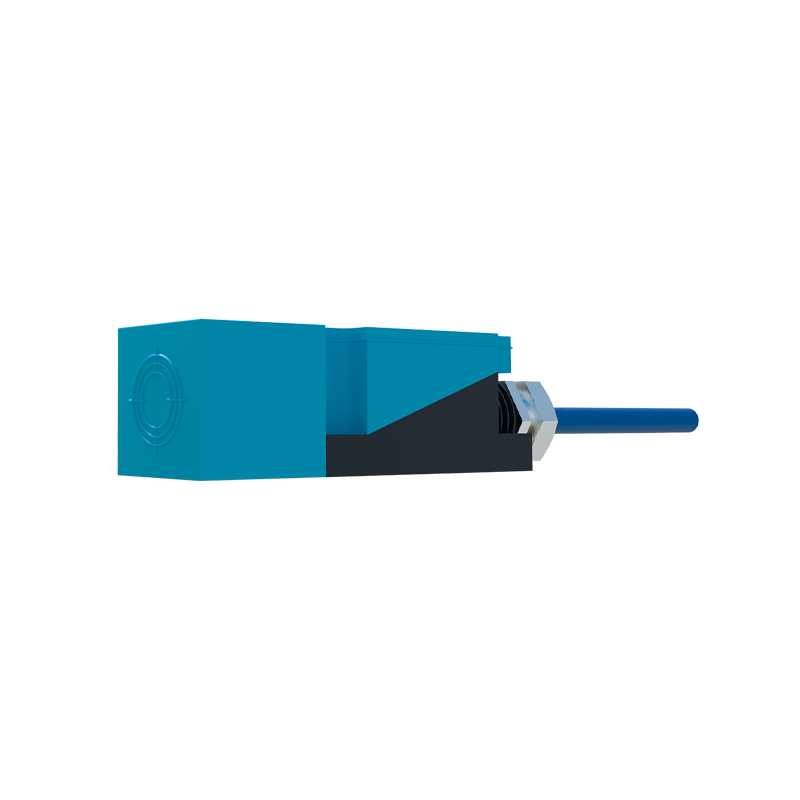
In summary, wiring two-wire proximity sensors correctly is essential for efficient automation systems. By following manufacturer guidelines, accounting for electrical characteristics, and adhering to safety standards, engineers can achieve robust and trouble-free installations. As technology advances, newer sensors with integrated diagnostics or smart features may simplify wiring further, but the fundamental principles remain critical for success in industrial applications.