Underwater proximity switch sensors represent a critical technology for enabling automation, safety, and precise control in submerged environments. Unlike their terrestrial counterparts, these sensors must contend with unique challenges, including pressure, corrosion, biofouling, and the fundamental properties of water as a sensing medium. Their primary function is to detect the presence or absence of an object within a specified range without physical contact, triggering an electrical signal for control systems.
The operational principle hinges on the interaction between a sensor's emitted field or signal and the target object. Common technologies adapted for underwater use include inductive, capacitive, and ultrasonic sensors. Inductive sensors are effective for detecting metallic objects but have a very limited range in water due to its conductivity, which dampens the electromagnetic field. Capacitive sensors can detect both metallic and non-metallic objects by measuring changes in capacitance, but they are highly sensitive to water's dielectric constant, requiring careful calibration to distinguish between the target and the surrounding water itself.
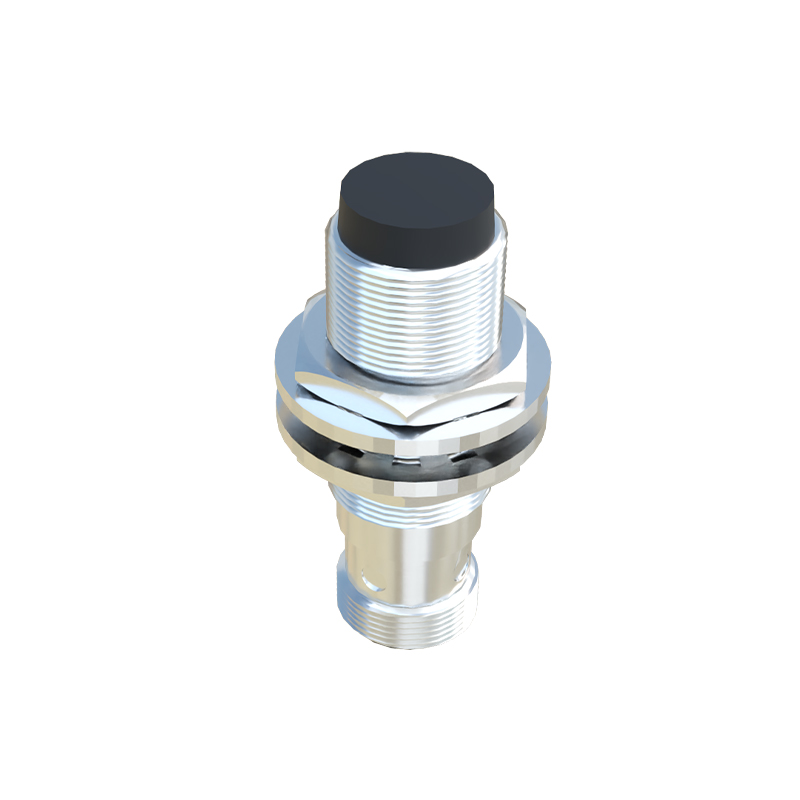
Ultrasonic proximity sensors are arguably the most prevalent in underwater applications. They operate by emitting high-frequency sound pulses and measuring the time delay of the echo reflected from a target. Water is an excellent conductor of sound, allowing for much greater detection ranges compared to electromagnetic methods. These sensors are used for object detection, level sensing in tanks, and distance measurement. However, factors like temperature gradients, salinity, turbidity, and air bubbles can affect sound velocity and signal clarity, necessitating sophisticated signal processing.
A more specialized type is the optical proximity sensor, which uses infrared or laser light. In clear water, they offer high precision and fast response. However, their performance degrades significantly in turbid or murky water due to scattering and absorption. They are often housed in pressurized, watertight enclosures with specially designed optical windows to prevent fouling and pressure damage.
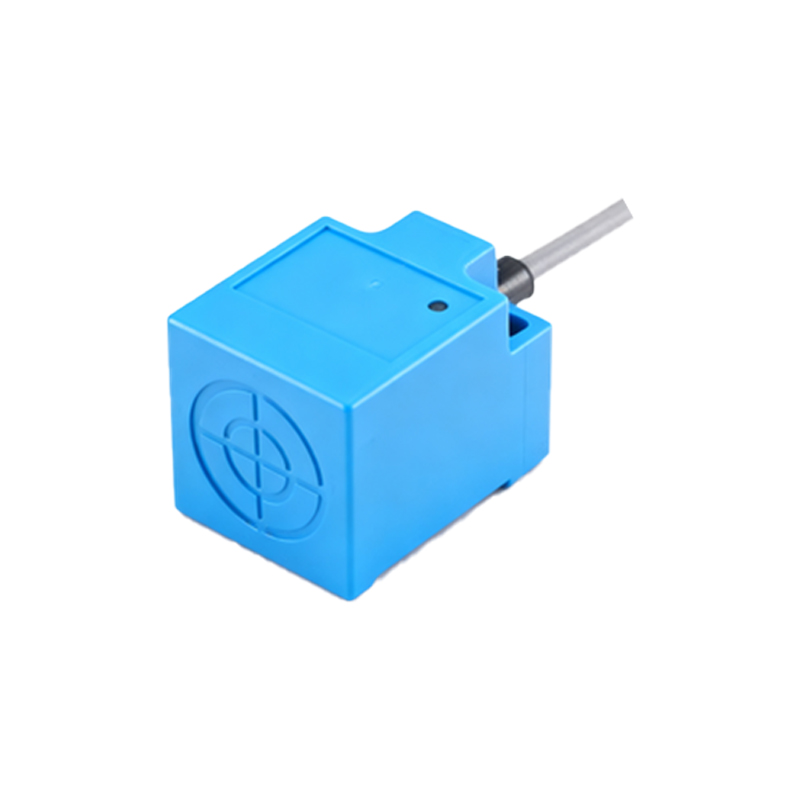
The design and manufacturing of these sensors demand rigorous engineering. Housings are typically made from corrosion-resistant materials like stainless steel (grades 316 or 316L), titanium, or specialized plastics such as PEEK. Sealing is paramount, achieved through O-rings, welded hermetic seals, or pressure-compensated systems using oil-filled cavities to equalize internal and external pressure. Protection against biofouling (the accumulation of microorganisms, plants, and algae) may involve anti-fouling coatings or specific mechanical designs that minimize stagnant areas.
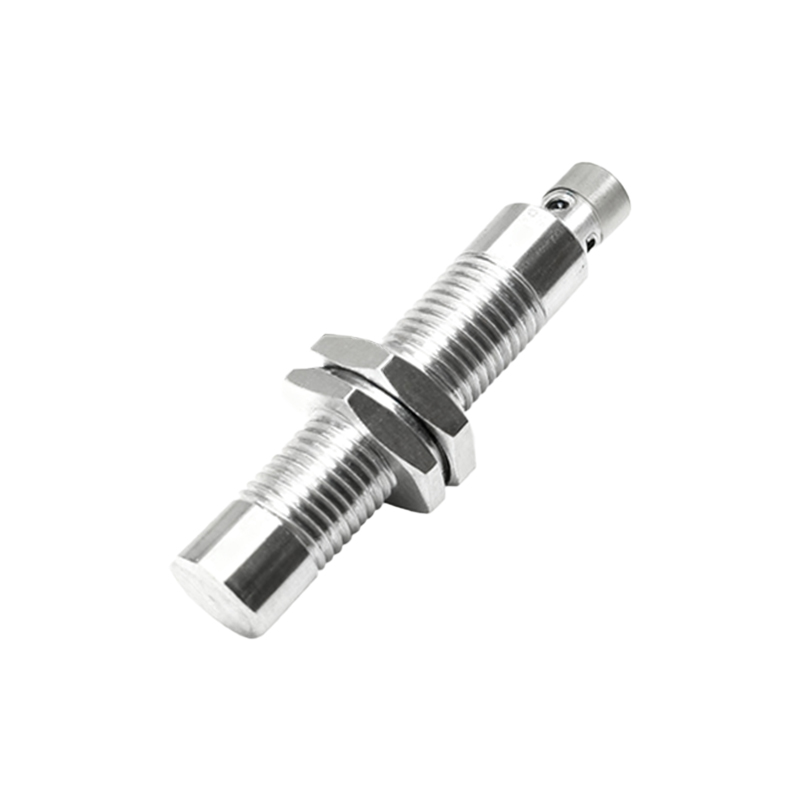
The applications for underwater proximity switches are vast and growing. In industrial settings, they are indispensable for automated processes in water treatment plants, such as controlling pump sequences based on tank levels or detecting debris in intake screens. In the maritime and offshore sectors, they ensure safety and operational efficiency. Examples include:
Docking and Mooring: Sensing the proximity of a vessel to a dock or another structure to activate warning systems or automated fenders.
ROV/AUV Operations: Enabling autonomous underwater vehicles to navigate, avoid obstacles, and perform precise manipulation tasks like docking or pipeline inspection.
Subsea Equipment: Monitoring the position of valves, actuators, and robotic arms on subsea production systems.
Aquaculture: Automating feeding systems by detecting the presence of fish stocks or monitoring cage net integrity.
Furthermore, they play a role in scientific research, such as detecting sediment levels in hydrological studies or triggering sampling devices when a specific underwater event occurs.
Selecting the right underwater proximity sensor requires a careful analysis of the operating environment. Key parameters include:
Depth/Pressure Rating: The sensor must withstand the hydrostatic pressure at its operating depth.
Target Material: Is the object metallic, plastic, or biological?
Required Sensing Distance: Ranges can vary from a few millimeters to several meters.
Water Conditions: Clarity, salinity, temperature range, and potential for fouling.
Output Signal: The type of electrical signal (e.g., PNP/NPN, analog, IO-Link) needed to interface with the control system.
Certifications: Standards like IP68/IP69K for ingress protection, and potentially ATEX for hazardous areas.
Installation and maintenance are also crucial for long-term reliability. Proper mounting avoids turbulence and air bubbles that could interfere with ultrasonic or optical sensors. Regular inspection for physical damage, seal integrity, and fouling buildup is essential. Some advanced sensors feature self-diagnostic capabilities to alert users to performance degradation.
In conclusion, underwater proximity switch sensors are sophisticated devices that translate a simple detection task into a complex engineering feat. By leveraging technologies like ultrasonics and advanced materials science, they provide the "eyes and touch" for machinery operating beneath the waves. As underwater automation expands in industries ranging from renewable energy to deep-sea exploration, the demand for robust, reliable, and intelligent proximity sensing solutions will continue to drive innovation in this specialized field.