In modern industrial automation, proximity sensors play a critical role in ensuring efficient and reliable detection of plastic components. These sensors are non-contact devices designed to identify the presence or absence of objects without physical interaction, making them ideal for applications involving plastic parts that may be delicate, lightweight, or irregularly shaped. The selection and implementation of proximity sensors for plastic detection require careful consideration of material properties, environmental conditions, and operational requirements.
Plastic materials present unique challenges for detection due to their non-metallic nature and varying dielectric properties. Unlike metals, which are easily detected by inductive proximity sensors, plastics require capacitive or photoelectric sensors for reliable operation. Capacitive proximity sensors are particularly effective for detecting plastic objects because they respond to changes in capacitance caused by the presence of any material, including non-conductive substances. These sensors can detect plastics through containers, detect liquid levels in plastic tanks, or identify plastic components on conveyor belts. Their sensitivity can be adjusted to accommodate different plastic types, thicknesses, and colors, though careful calibration is necessary to avoid false triggers from environmental factors like humidity or dust.
Photoelectric sensors offer another robust solution for plastic component detection. Through-beam, retro-reflective, and diffuse reflection models each provide distinct advantages depending on the application. Through-beam sensors, with separate emitter and receiver units, deliver high reliability for detecting transparent or translucent plastics, as they measure the interruption of a light beam. Diffuse reflection sensors, which use the target object to reflect light back to the receiver, are suitable for detecting non-transparent plastics at shorter ranges, with color and surface finish affecting performance. For challenging environments where background interference is a concern, background suppression sensors or color contrast sensors may be employed to distinguish plastic components from surrounding surfaces.
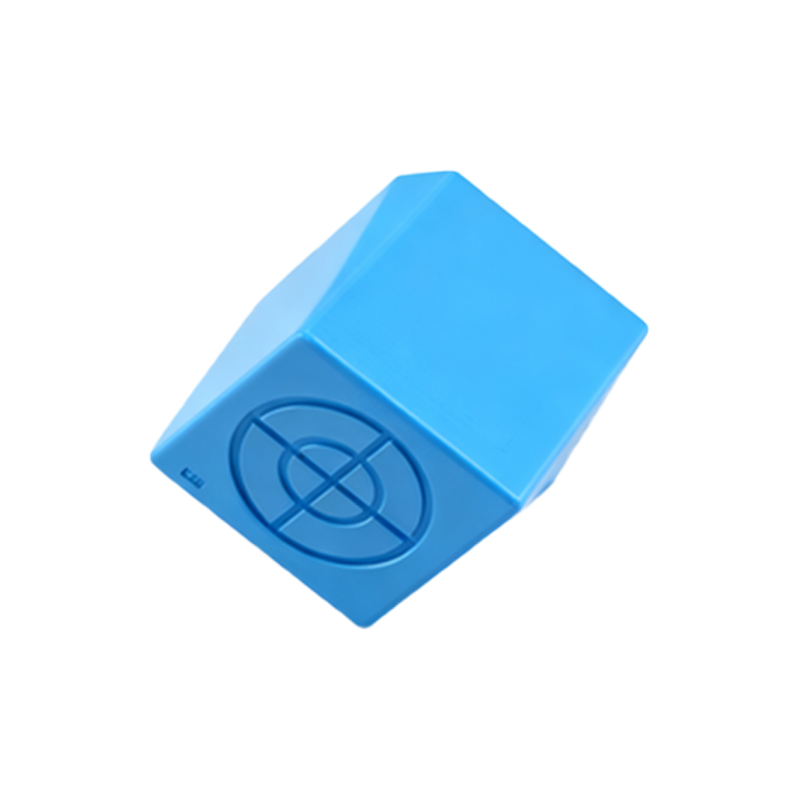
Ultrasonic proximity sensors provide an alternative for detecting plastic objects, especially in applications where optical methods may be hindered by dust, smoke, or varying surface colors. These sensors emit high-frequency sound waves and measure the time taken for echoes to return, allowing them to detect plastics regardless of color, transparency, or surface texture. They are particularly useful in bulk material handling, plastic pellet monitoring, or detecting stacked plastic containers. However, temperature fluctuations and air turbulence can influence ultrasonic sensor accuracy, requiring environmental compensation or stable operating conditions.
Key factors in selecting proximity sensors for plastic detection include sensing distance, response time, environmental robustness, and installation flexibility. For high-speed production lines, fast-response sensors with minimal hysteresis are essential to maintain throughput. In washdown or corrosive environments, sensors with IP67 or higher ratings ensure durability against moisture and chemical exposure. Additionally, the size and form factor of the sensor must align with spatial constraints in machinery or assembly setups.
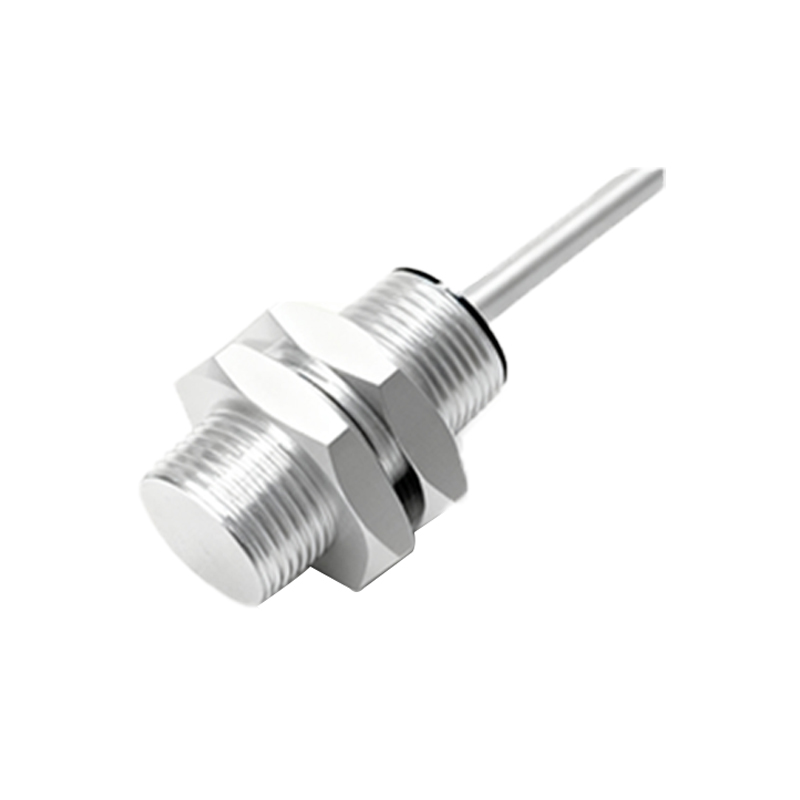
Integration of proximity sensors with programmable logic controllers (PLCs) and industrial networks enables real-time monitoring and data logging, supporting predictive maintenance and quality control. Smart sensors with IO-Link or analog outputs provide diagnostic information, such as signal strength or contamination alerts, reducing downtime and enhancing system reliability. Calibration and testing under actual operating conditions are recommended to optimize sensor performance, adjusting sensitivity thresholds to account for material variations and potential interference.
In summary, proximity sensors for plastic component detection are indispensable in automation systems, offering versatile and reliable solutions across manufacturing, packaging, and assembly processes. By understanding the characteristics of plastic materials and matching them with appropriate sensor technologies, engineers can achieve precise detection, improve operational efficiency, and minimize errors in industrial applications. Continuous advancements in sensor design, including enhanced sensitivity, compact sizes, and smarter connectivity, will further expand their capabilities in handling diverse plastic detection challenges.