In the rapidly evolving landscape of industrial automation and smart technology, the advent of wireless proximity sensors marks a significant leap forward. These devices, capable of detecting the presence or absence of an object without any physical contact, have now shed the constraints of traditional wired installations. The "no-wiring" or wireless approach is not merely a convenience; it represents a fundamental shift in how sensing systems are designed, deployed, and maintained.
Traditional proximity sensors, while reliable, come with a significant burden: the wiring infrastructure. Installing these sensors requires extensive planning for cable trays, conduits, and connection points. This process is time-consuming, costly, and often inflexible. Any modification to a production line or machine layout necessitates a rewiring project, leading to downtime and additional expenses. Furthermore, wires are vulnerable to damage, wear and tear, and electromagnetic interference, which can compromise signal integrity and system reliability.
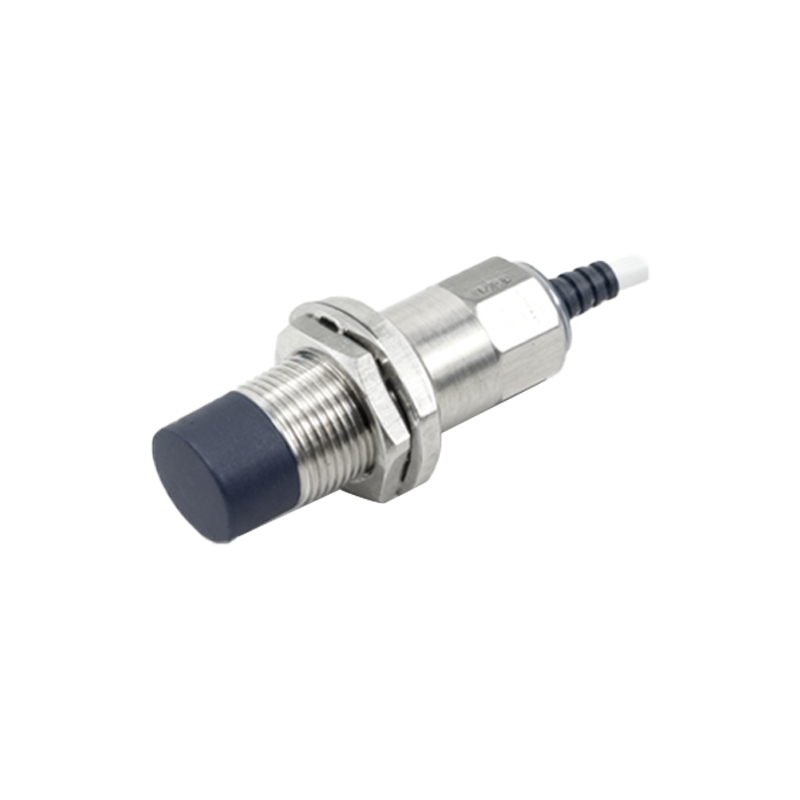
Wireless proximity sensors eliminate these challenges entirely. Operating on robust industrial wireless protocols like Bluetooth Low Energy (BLE), Zigbee, or proprietary ISM band radios, these sensors transmit detection data to a central gateway or controller. Power is typically supplied by long-life batteries, often designed to last for several years, or through energy harvesting techniques such as vibration or thermal energy conversion. This self-contained nature is the core of their appeal.
The benefits are transformative, particularly in complex or dynamic environments. Installation is remarkably simplified. A technician can mount the sensor in the desired location—whether on a moving robotic arm, a rotating component, or in a hard-to-reach area—and pair it with the network in minutes. There are no cables to route, no conduits to install, and no concerns about wire length limitations. This drastically reduces initial setup costs and accelerates deployment timelines.
Flexibility and scalability are other major advantages. Reconfiguring a manufacturing cell or adding new sensing points becomes a trivial task. Sensors can be easily relocated to optimize processes or adapt to new product lines. This agility is invaluable in industries like automotive manufacturing or consumer electronics, where production requirements change frequently. It also enables temporary monitoring solutions for diagnostics or quality control without permanent infrastructure changes.
Maintenance routines are also streamlined. Modern wireless sensors often include diagnostic capabilities, reporting their own battery status and health metrics. This enables predictive maintenance, allowing personnel to replace batteries proactively during scheduled downtime rather than reacting to a sensor failure. The absence of cables also removes a common point of failure, enhancing overall system uptime.
Applications are vast and growing. In factory automation, wireless proximity sensors monitor pallet positions on conveyors, detect tool presence in CNC machines, and ensure safety door closures. In logistics, they track inventory on smart shelves and monitor the position of Automated Guided Vehicles (AGVs). Building automation utilizes them for occupancy detection in lighting and HVAC control, while the agricultural sector employs them for equipment positioning and monitoring.
Despite the clear advantages, considerations remain. Network security is paramount, requiring encryption and secure authentication protocols to protect data and prevent unauthorized access. Engineers must also plan for wireless network coverage to ensure robust communication, especially in facilities with dense metal structures that can cause signal attenuation. However, advancements in mesh networking and signal strength have largely mitigated these concerns.
In conclusion, the shift to wireless, no-wiring proximity sensors is a cornerstone of the Industry 4.0 revolution. By removing the physical and financial constraints of cabling, they unlock unprecedented levels of flexibility, cost-efficiency, and reliability. As battery technology and wireless protocols continue to advance, their adoption will become the standard, paving the way for more responsive, adaptable, and intelligent automated systems across every sector of industry.