In the intricate world of industrial automation and control systems, proximity sensors stand as silent sentinels. These non-contact devices detect the presence or absence of an object, triggering a crucial action in a machine or process. From assembly lines to robotic arms, their role is fundamental. But are they an unmitigated good, or do they come with inherent drawbacks? The answer, as with most engineering solutions, is nuanced. Evaluating their merits and limitations is key to optimal system design.
Let's begin with the unequivocal "good." The primary advantage of proximity sensors is their non-contact operation. Unlike mechanical limit switches, they have no physical parts that touch the target object. This eliminates mechanical wear and tear, dramatically increasing operational lifespan and reducing maintenance costs. The absence of physical contact also means no contamination of the sensor or the object, a critical factor in clean or sterile environments like food processing or pharmaceutical manufacturing.
Furthermore, proximity sensors offer exceptional reliability and speed. They can detect objects at high frequencies—often in the kilohertz range—making them ideal for high-speed counting, sorting, and positioning applications. Their response time is swift and consistent, a necessity for synchronizing complex automated processes. Modern solid-state designs contribute to this reliability, with no moving parts to fail under vibration or shock.
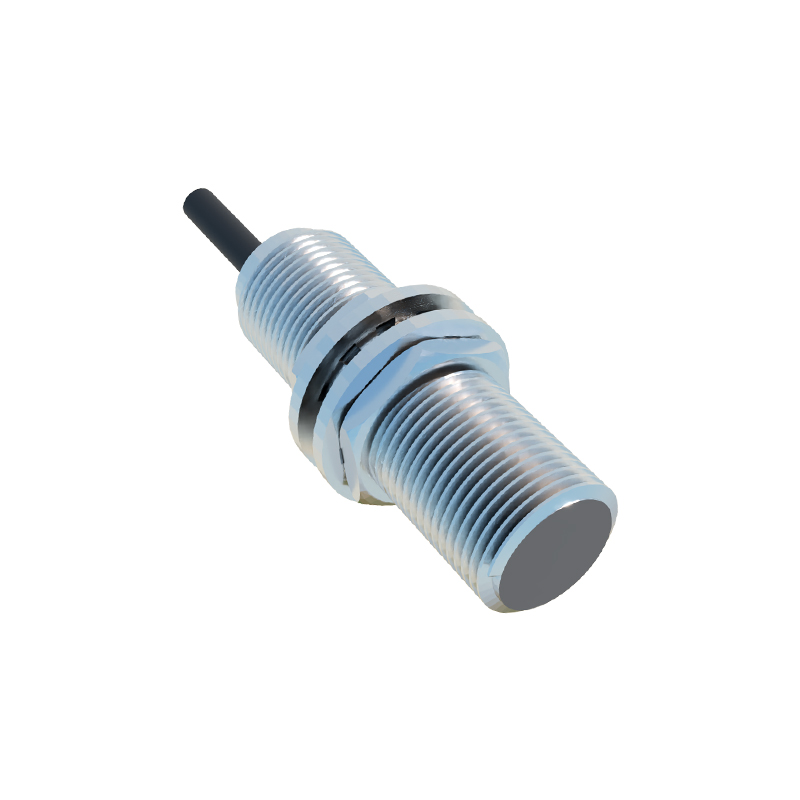
Another significant benefit is versatility. Available in various types—inductive (for metals), capacitive (for both metals and non-metals, including liquids), ultrasonic, and photoelectric—they can be tailored to specific applications. Inductive sensors, for instance, are workhorses in metal detection, immune to dust, oil, and water. This specialization allows engineers to select the perfect sensor for environmental challenges, target material, and required sensing distance.
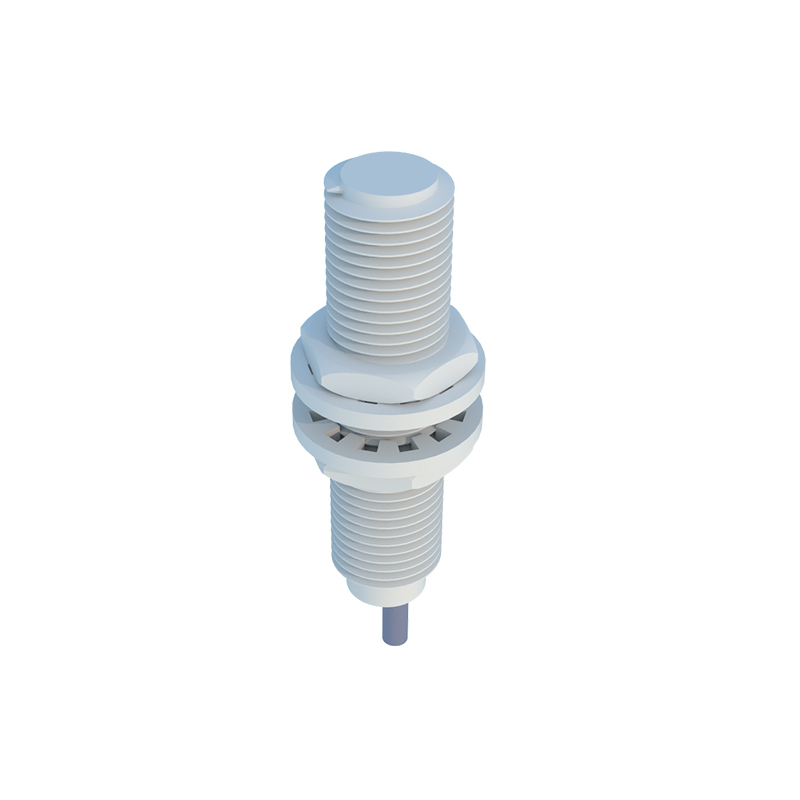
However, to present a balanced view, we must address the "bad" or, more accurately, the limitations and challenges. First is the issue of sensing range and environment. Every proximity sensor has a defined nominal sensing distance, which can be affected by external factors. For inductive sensors, the type of metal (steel, aluminum, copper) alters the effective range. Temperature extremes, strong electromagnetic fields, or conductive dust can also interfere with performance, potentially causing false triggers or failure to detect.
Cost can be a consideration, especially for highly specialized or long-range sensors. While basic inductive sensors are cost-competitive, advanced models with extended ranges, analog outputs, or specific safety certifications (like IEC 60947-5-2) command a higher price. The initial investment, however, must be weighed against the long-term savings from reduced downtime and maintenance.
Installation and calibration require expertise. Mounting the sensor correctly, ensuring proper alignment, and setting sensitivity thresholds are crucial. An incorrectly installed sensor is a source of persistent faults. For example, capacitive sensors might be triggered by a background object or changing humidity if not tuned properly. This demands skilled personnel and time for setup.
Finally, there is the limitation of what they can detect. An inductive sensor will not see a plastic bottle. A standard capacitive sensor might struggle with very small objects. Choosing the wrong technology for the application is a common pitfall, leading to system failure.
So, are proximity sensors ultimately good or bad? The question is misplaced. They are an essential, irreplaceable component in modern industry. The "good" overwhelmingly defines their value: reliability, speed, durability, and versatility. The "bad" represents not flaws, but design constraints and application parameters that a competent engineer must navigate. The key lies in informed selection and implementation. Understanding the operating principle, environmental limits, and target characteristics is paramount. When the correct sensor is matched to the right task, properly installed, and integrated into a well-designed control system, its benefits far outweigh its limitations. In essence, the "bad" is not inherent to the device but a potential outcome of its misuse. Therefore, the ongoing advancement in sensor technology—smarter, more robust, and self-diagnosing—continues to push the boundaries, minimizing limitations and solidifying the proximity sensor's status as a cornerstone of industrial automation.