Proximity sensors are indispensable components in modern industrial automation, offering non-contact detection capabilities that enhance efficiency, safety, and reliability across various applications. These devices detect the presence or absence of objects within a specified range without physical contact, making them ideal for harsh environments where contamination, wear, or mechanical stress could compromise performance. The primary functions of proximity sensors can be categorized into several key areas, each contributing to streamlined operations in manufacturing, automotive, packaging, and robotics industries.
One fundamental function is object detection and positioning. Proximity sensors accurately identify the presence of metallic or non-metallic objects, depending on the sensor type, and determine their precise location on assembly lines. For instance, inductive sensors detect ferrous metals, while capacitive sensors handle materials like plastics, liquids, or wood. This capability ensures components are correctly aligned for machining, welding, or packaging processes, reducing errors and minimizing downtime. In automotive manufacturing, sensors verify part placement before robotic arms engage, preventing costly collisions or defects.
Another critical role is counting and monitoring. Proximity sensors track moving items on conveyor belts, enabling real-time inventory management and production control. By counting products as they pass, these sensors help maintain optimal workflow speeds and trigger alerts if quantities deviate from targets. In packaging facilities, they monitor fill levels in containers, ensuring consistent volume and reducing material waste. This function is vital for quality assurance, as it allows operators to address discrepancies immediately, maintaining high output standards.
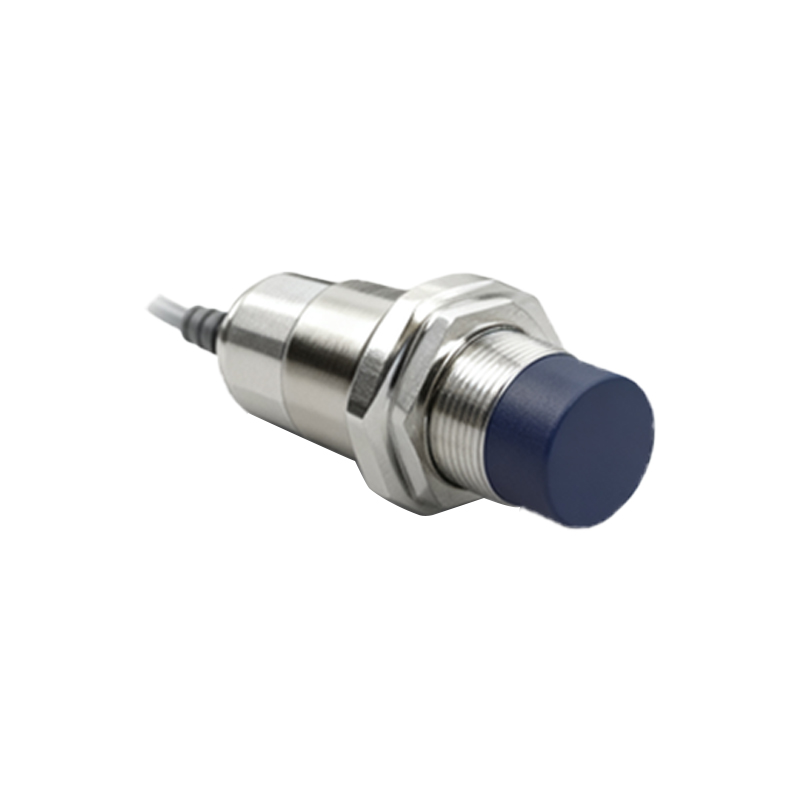
Safety enhancement represents a significant function of proximity sensors. They serve as protective devices in hazardous areas by detecting unauthorized entry or unsafe conditions. For example, sensors installed near rotating machinery can halt operations if a worker approaches too closely, preventing accidents. In automated guided vehicles (AGVs), proximity sensors detect obstacles and adjust paths to avoid collisions, safeguarding both equipment and personnel. This proactive safety measure aligns with industry regulations and fosters a secure working environment.
Speed and motion control is another area where proximity sensors excel. They measure rotational speed in motors or conveyors by detecting gear teeth or notches, providing feedback for velocity regulation. In CNC machines, sensors ensure tools move at correct speeds, enhancing precision in cutting or drilling tasks. This function supports energy efficiency by optimizing machine performance and reducing unnecessary movements, ultimately lowering operational costs.
Additionally, proximity sensors facilitate material handling and sorting. In logistics centers, they distinguish between different package types based on size or material composition, directing items to appropriate processing zones. Magnetic sensors, for instance, identify metal containers for recycling systems, while ultrasonic sensors handle fragile goods by gauging distances gently. This sorting capability streamlines supply chain operations and improves throughput.
The versatility of proximity sensors extends to condition monitoring and predictive maintenance. By continuously assessing equipment vibrations, temperatures, or alignments, sensors detect early signs of wear or malfunction. In hydraulic systems, they monitor piston positions to prevent leaks or pressure drops. This predictive approach minimizes unplanned shutdowns and extends machinery lifespan, contributing to overall operational resilience.
In summary, proximity sensors perform multifaceted functions that drive industrial automation forward. From precise detection and counting to safety enforcement and motion control, these devices underpin efficient, safe, and intelligent manufacturing ecosystems. As technology advances, sensors with enhanced sensitivity, connectivity, and adaptability will further expand their roles, solidifying their status as cornerstone components in the Industry 4.0 landscape.