In the realm of precision manufacturing and custom fabrication, CNC engraving machines stand as pillars of accuracy and repeatability. At the heart of their operational safety and positional accuracy lies a critical, yet often understated component: the proximity sensor. This article delves into the function, types, and paramount importance of proximity sensors within modern CNC engraving systems, adhering to industry standards and practices.
Fundamentally, a proximity sensor is a non-contact device designed to detect the presence or absence of an object within its sensing range without any physical contact. In a CNC engraving machine, these sensors are strategically deployed to perform several vital functions. The most common application is homing and limit switching. Before initiating any machining operation, the machine must establish a known reference point, or "home" position, for each axis (X, Y, and Z). Inductive or capacitive proximity sensors detect the metal or material of the machine's frame or a dedicated homing flag, sending a precise signal to the controller to set this zero point. Similarly, limit sensors at the extremities of each axis's travel prevent the machine from driving its gantry or spindle beyond its mechanical boundaries, thereby avoiding catastrophic collisions and damage to drives, ball screws, or linear guides.
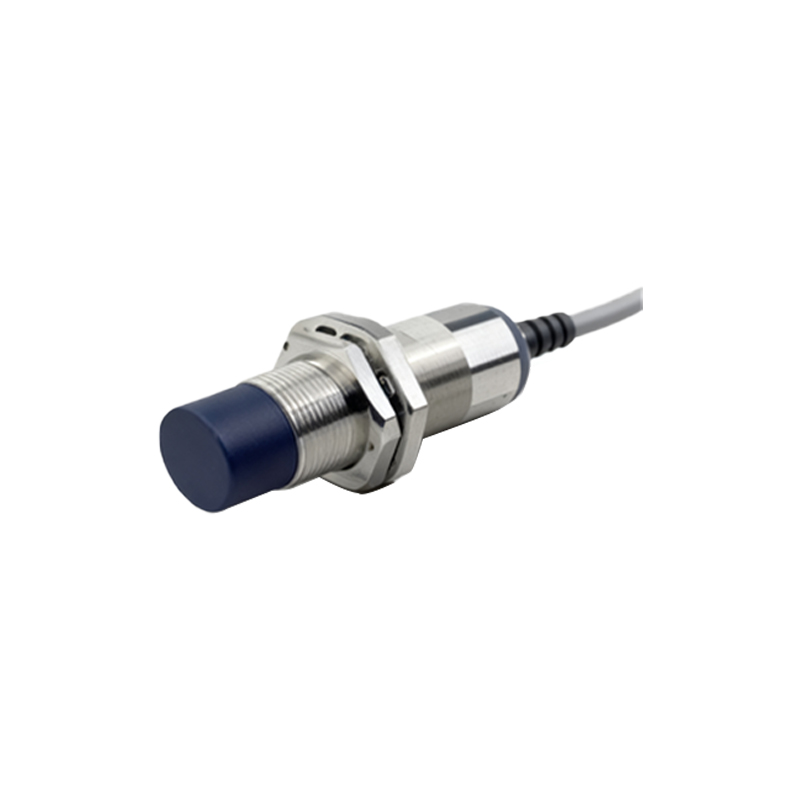
Beyond homing and limits, proximity sensors enhance process reliability. They can be used for tool presence verification, ensuring a collet is not empty before a high-speed job begins, or for workpiece detection, confirming material is properly fixtured on the bed. In automated or lights-out machining setups, sensors monitor the status of auxiliary equipment, like dust collection hoods or coolant lines, ensuring all systems are operational.
The selection of proximity sensor technology is dictated by the target material and environmental conditions. The two primary types used in engraving applications are:
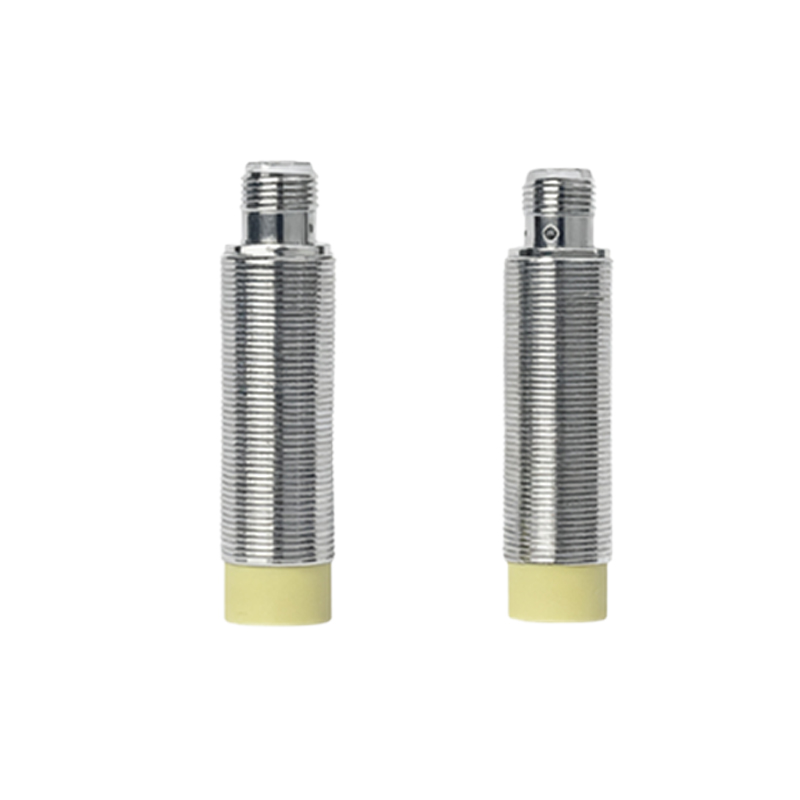
1. Inductive Proximity Sensors: These sensors generate an electromagnetic field and detect the eddy currents induced in conductive metals (like steel, aluminum, or brass). They are ideal for detecting the machine's own metallic components, tools, or metal workpieces. They are robust, resistant to dust and coolant splashes (with appropriate IP ratings), and offer high switching frequencies.
2. Capacitive Proximity Sensors: These sensors detect changes in capacitance and can sense both metallic and non-metallic materials, including wood, plastic, glass, and composite materials common in engraving. This makes them suitable for verifying the presence of a non-metallic workpiece or detecting material levels in a bin.
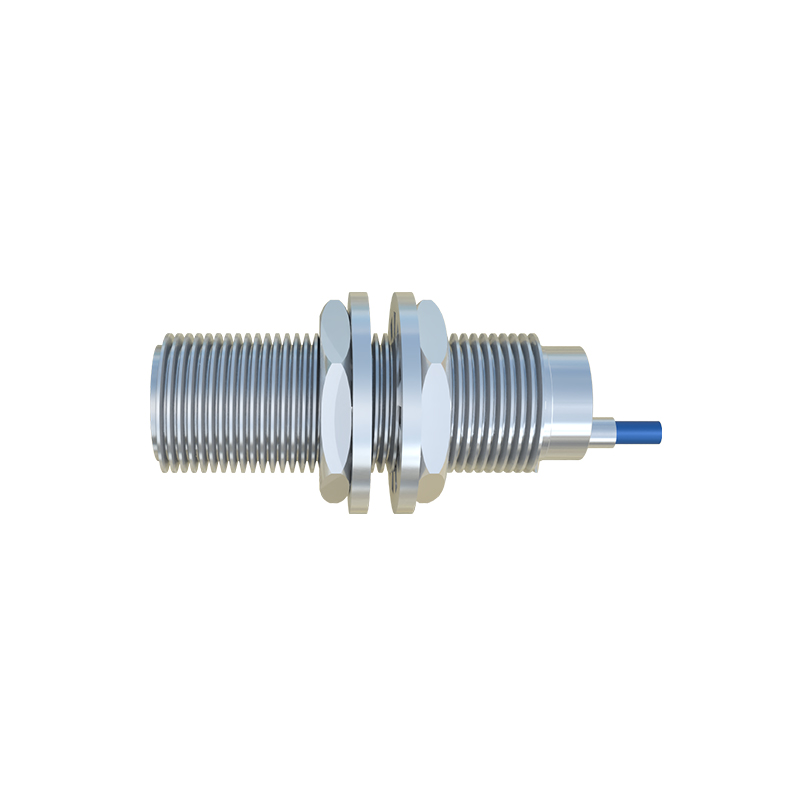
Key specifications engineers must consider include sensing distance, repeat accuracy, response time, output type (PNP/NPN analog or digital), and environmental protection (IP67 or higher is common for machine tool applications). The mounting and alignment are also crucial; even a high-quality sensor will fail if improperly installed.
The integration of these sensors directly impacts machine performance. Reliable homing sensors ensure that every job starts from an identical datum, which is the foundation of part accuracy and repeatability across production runs. Effective limit sensing protects significant capital investment by preventing mechanical overtravel. Furthermore, incorporating sensor feedback for tool and workpiece checks minimizes human error and reduces scrap rates, contributing to overall equipment effectiveness (OEE).
From a safety perspective, proximity sensors are integral to functional safety systems. They can be part of interlock circuits for guarding systems, ensuring the machine halts or cannot start if a safety door is open. While not a substitute for primary safety light curtains or physical barriers, they add a layer of operational safety.
In conclusion, proximity sensors in CNC engraving machines are far from mere switches. They are the silent sentinels of precision and guardians of the machine's mechanical integrity. Their reliable operation ensures that the high-resolution capabilities of the engraving spindle and motion system are not undermined by positional uncertainty or preventable collisions. For any engineer specifying, maintaining, or operating a CNC engraving system, a deep understanding of proximity sensor technology is not optional—it is essential for achieving safe, reliable, and precise manufacturing outcomes. As machine automation and complexity increase, the role of these sensors will only become more sophisticated and critical.