In the realm of industrial automation and electrical control systems, proximity sensors are ubiquitous. These non-contact devices, detecting the presence or absence of objects, are critical for countless applications from conveyor belt control to robotic assembly. Given their constant operation in often harsh environments, a common question arises among maintenance teams and engineers: Can proximity sensors be repaired, or is replacement the only viable option?
The answer is nuanced and depends heavily on the type of sensor, the nature of the failure, and economic considerations. Unlike complex programmable logic controllers (PLCs) or servo drives, proximity sensors are relatively simple devices in principle. They typically consist of a sensing element (oscillator coil for inductive, capacitive plate for capacitive), an integrated circuit for signal processing, an output switching component (transistor or relay), and a housing. This simplicity suggests that repair might be possible. However, modern sensors are highly integrated, potted with epoxy resin for environmental protection (IP67, IP69K), and designed as non-serviceable units. Disassembling such a sensor often destroys its housing and breaks the environmental seal, rendering any repair futile for most industrial applications where dust, moisture, and washdowns are concerns.
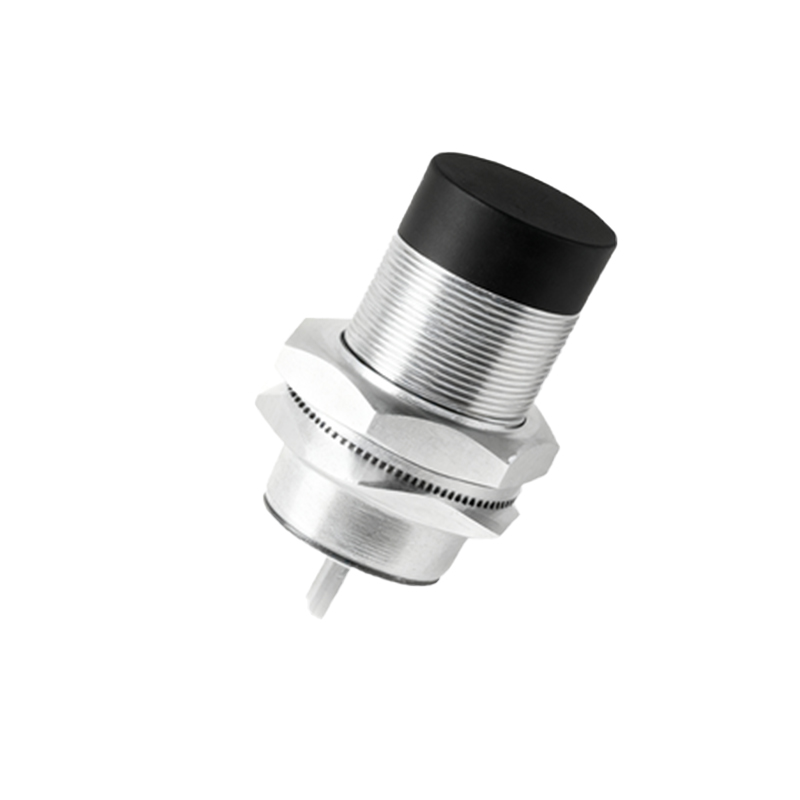
Common failure modes include physical damage to the sensing face or housing, cable breakage at the entry point, internal component failure due to voltage spikes or excessive current, and degradation of the sensing range. For failures involving the cable or connector, repair is frequently straightforward and recommended. Replacing a damaged M12 or M8 connector, or splicing a severed cable with proper insulation and shielding, can restore a sensor to full functionality at a fraction of the cost of a new unit. This is a standard practice in maintenance workshops.
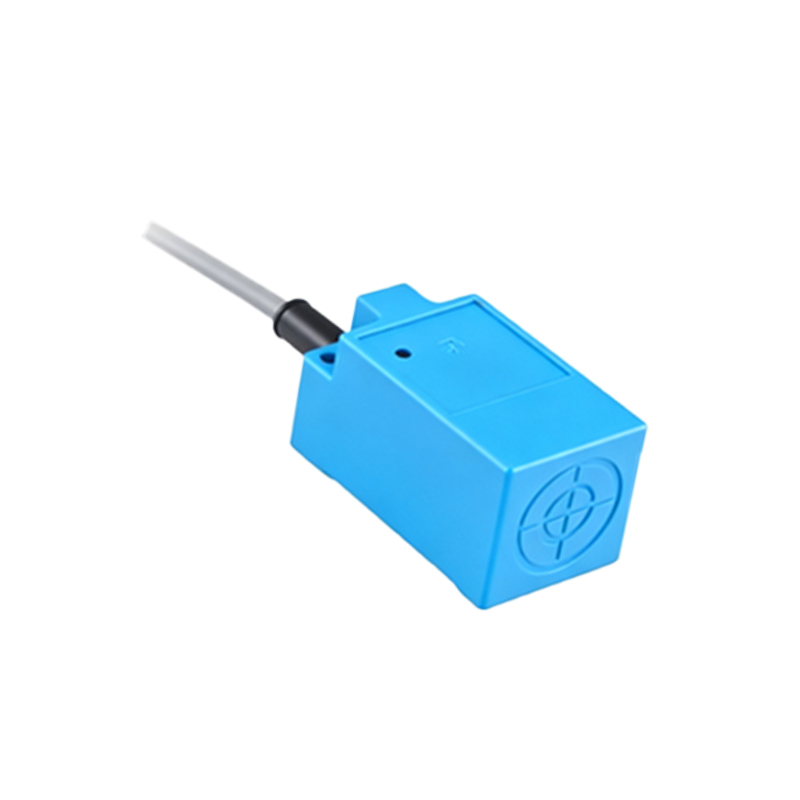
For internal electronic failures, the feasibility of repair diminishes sharply. If the issue is a simple, discrete component like a protective diode or a resistor that has failed due to an overload, a skilled technician with proper equipment could theoretically identify and replace it. However, the core sensing oscillator and its associated application-specific integrated circuit (ASIC) are not standard, off-the-shelf components. Sourcing them is typically impossible. Furthermore, the potting compound used must be removed, which is a destructive and time-consuming process that can damage the very components one aims to save. Even if successful, the sensor's original ingress protection rating is permanently compromised.
From a practical and economic standpoint, a cost-benefit analysis is essential. The labor hours required for diagnostic troubleshooting, careful disassembly, component-level repair, and reassembly often exceed the cost of a new sensor. Proximity sensors, especially standard inductive models, are mass-produced commodities. The primary justification for attempting a board-level repair would be for a highly specialized, custom, or extremely expensive sensor where a direct replacement has a long lead time or is no longer manufactured. In 95% of standard industrial applications, replacement is the most reliable and cost-effective solution.
Preventive maintenance is more valuable than repair. Regularly checking sensor alignment, ensuring clean sensing surfaces, verifying supply voltage stability, and inspecting cables for wear can prevent many failures. Using sensors with robust housing materials (stainless steel) in high-impact areas and implementing proper surge protection in the electrical circuit are key design considerations that extend service life.
In conclusion, while limited repairs—primarily to cables and connectors—are both possible and practical, comprehensive internal repair of a modern, potted proximity sensor is generally not feasible or advisable. The industry standard leans decisively towards replacement. This approach guarantees system reliability, maintains safety standards, and preserves the crucial environmental seals. The role of the engineer is to accurately diagnose the fault, understand the sensor's application criticality, and make a decision that minimizes downtime and total lifecycle cost. Always consult the manufacturer's guidelines, as some explicitly void warranties upon any attempt to open the housing. When in doubt, replacing the sensor with a correct, high-quality unit remains the benchmark for professional maintenance practice.