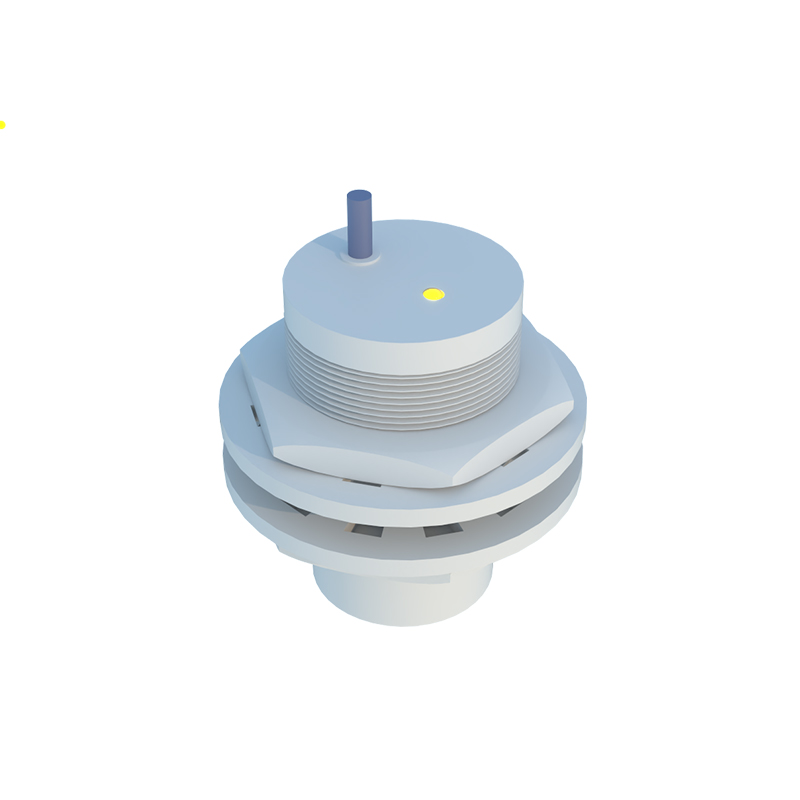
Cylindrical proximity sensors are essential components in modern industrial automation, offering reliable non-contact detection of metallic and non-metallic objects. These sensors, characterized by their tubular design, are widely used in manufacturing, packaging, robotics, and automotive applications due to their durability, precision, and ease of installation. Typically housed in stainless steel or nickel-plated brass bodies, cylindrical sensors provide robust performance in harsh environments, resisting dust, moisture, and mechanical stress.
Operating on principles such as inductive, capacitive, or magnetic sensing, cylindrical proximity sensors detect objects without physical contact. Inductive sensors, the most common type, generate an electromagnetic field to identify ferrous and non-ferrous metals within a specified range, usually from a few millimeters to several centimeters. Capacitive sensors, on the other hand, can detect both metallic and non-metallic materials, including liquids and plastics, by measuring changes in capacitance. Magnetic sensors utilize reed switches or Hall effect technology to sense permanent magnets, making them ideal for position monitoring in safety systems.
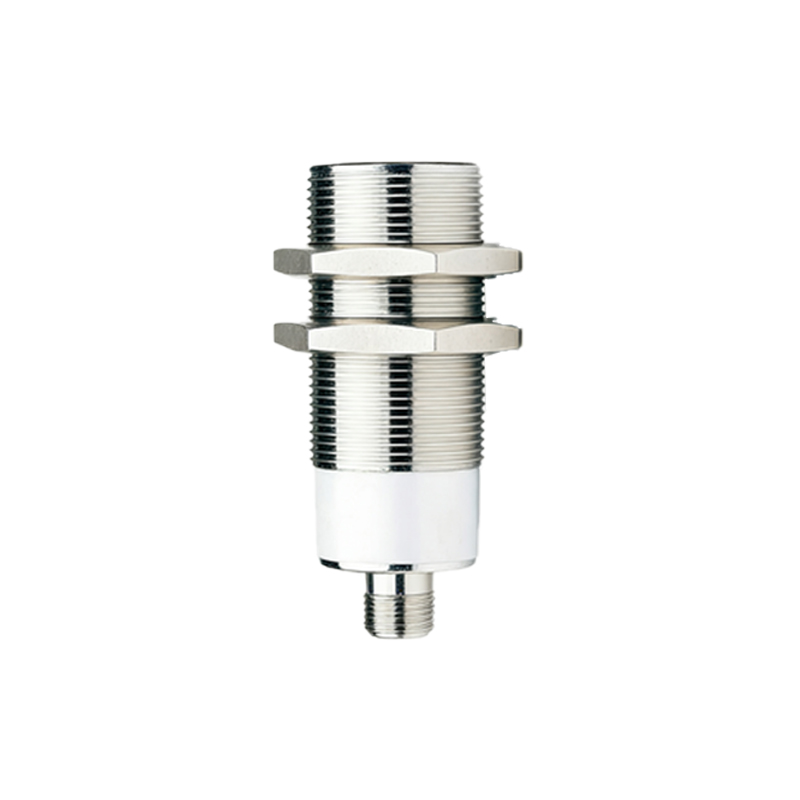
Key features of cylindrical proximity sensors include their sensing distance, response time, and output configurations. Sensing distance, or the maximum range at which an object can be detected, varies based on sensor size and technology, with standard models offering ranges from 2mm to 40mm. Response time, critical for high-speed applications, can be as fast as 0.1 milliseconds, ensuring minimal delay in automated processes. Outputs are typically NPN or PNP transistor-based, providing digital signals compatible with PLCs (Programmable Logic Controllers) and other control systems. Some advanced models incorporate IO-Link communication for real-time data exchange and diagnostics.
Installation and alignment are straightforward with cylindrical designs, which often feature threaded barrels (e.g., M8, M12, M18, M30 sizes) for secure mounting in drilled holes or brackets. Proper shielding and environmental considerations are vital to avoid interference from adjacent metal surfaces or electrical noise. Regular maintenance involves checking for wear, contamination, and electrical connections to ensure long-term reliability.
In summary, cylindrical proximity sensors enhance automation efficiency by enabling precise, contactless detection. Their versatility and resilience make them indispensable in industries seeking to optimize productivity and safety. As technology evolves, innovations like miniaturization and smart sensing capabilities continue to expand their applications, driving forward the future of industrial automation.