Capacitive proximity sensors are versatile electronic devices widely used in industrial automation, manufacturing, and process control applications. Unlike inductive sensors that detect only metallic objects, capacitive sensors can detect a broad range of materials, including liquids, plastics, glass, wood, and granular substances. This capability makes them indispensable in diverse sectors such as packaging, food and beverage, pharmaceutical, and automotive industries.
The fundamental operating principle of capacitive proximity sensors involves generating an electrostatic field. The sensor typically consists of an oscillator circuit, a sensing electrode (often the sensor face itself), and a detection circuit. When an object enters the electrostatic field, it causes a change in capacitance—the ability to store an electrical charge. This change alters the oscillation amplitude, which is then evaluated by the detection circuit to trigger a switching output. The sensitivity of these sensors can often be adjusted to account for different target materials or to ignore certain interferences, like container walls.
Durco, a recognized name in industrial sensing technology, offers a robust lineup of capacitive proximity sensors designed for reliability and precision. Key features of Durco capacitive sensors include robust housing materials like PBT or stainless steel, ensuring durability in harsh environments with exposure to dust, moisture, or chemicals. Many models provide IP67 or higher ingress protection ratings. They offer various output configurations (e.g., NPN, PNP, analog) and connection types (e.g., cable, M8/M12 connectors) to integrate seamlessly into control systems. A significant advantage is their ability to detect non-conductive materials by adjusting the sensitivity to respond to the material's dielectric constant.
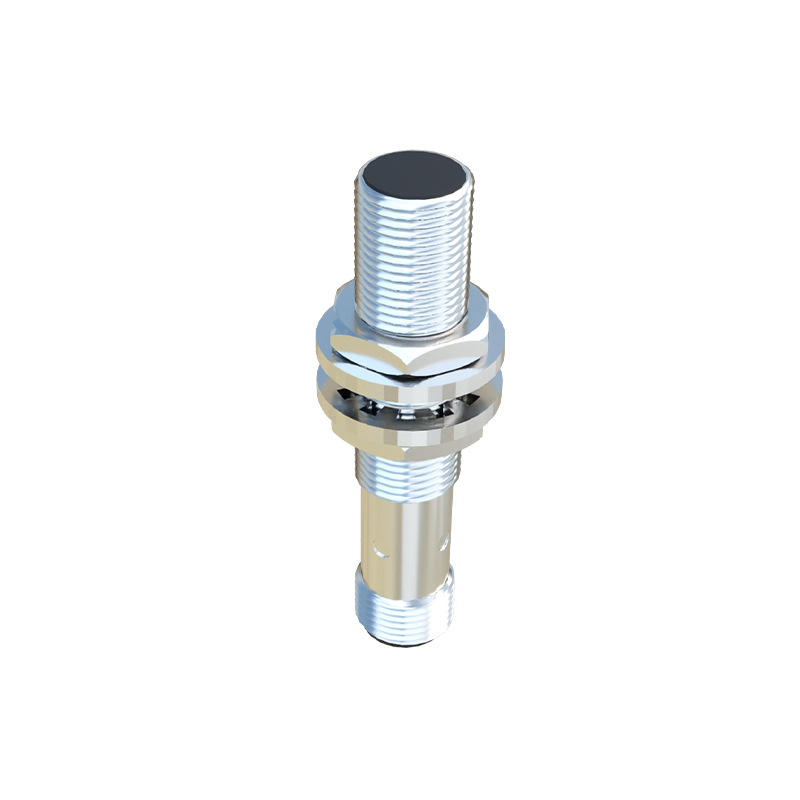
Applications are extensive. In bottling plants, they detect liquid levels through glass or plastic containers. In woodworking, they sense wood panels. In food processing, they monitor levels of powders or grains in silos. They are also used for presence detection of non-metallic objects on conveyor belts or for end-of-roll detection in paper and textile industries.
When selecting a capacitive sensor, several factors must be considered. The sensing range, typically from a few millimeters to about 25 mm for standard models, is crucial. The sensor size and form factor (barrel, rectangular) should suit the installation space. Environmental conditions like temperature extremes or potential chemical splash necessitate specific housing and sealing. Durco sensors often incorporate LED status indicators for easy diagnostics and setup.
Installation and calibration are straightforward but vital for optimal performance. Sensors should be mounted securely, avoiding contact with surrounding conductive materials that could cause false triggering. The sensitivity potentiometer is adjusted until the sensor reliably detects the target at the required distance while ignoring the background. Regular maintenance involves checking for buildup of material on the sensor face, which can affect performance, and ensuring electrical connections remain secure.
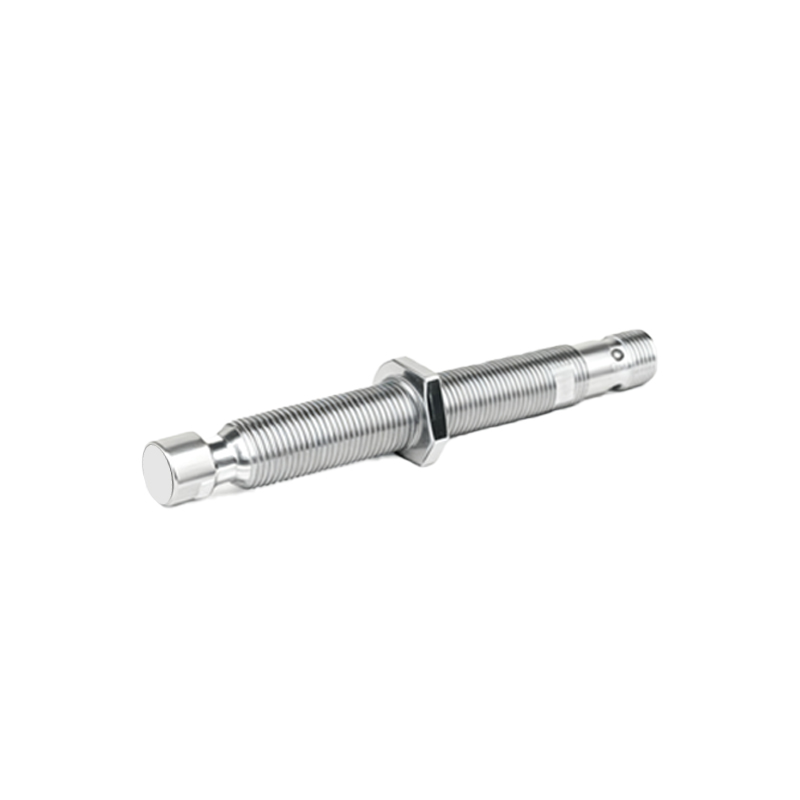
Compared to other sensor types, capacitive sensors fill a unique niche. While photoelectric sensors offer longer ranges, capacitive sensors excel in detecting non-transparent materials or operating in dirty, dusty conditions where optical lenses might get obscured. Their insensitivity to color and surface finish is another benefit.
In conclusion, capacitive proximity sensors from Durco represent a critical component in modern industrial automation. Their ability to detect diverse materials through non-metallic barriers provides engineers with flexible solutions for complex detection tasks. By understanding their operating principles, key features, and application best practices, professionals can leverage these sensors to enhance system reliability, efficiency, and automation intelligence across countless industrial processes.