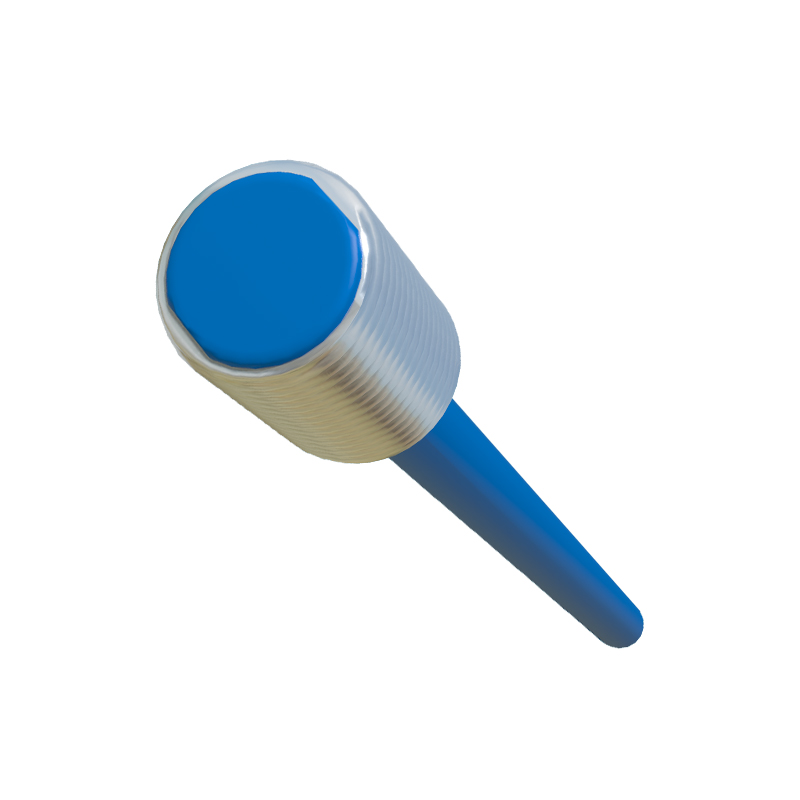
In the realm of industrial automation and control systems, proximity sensors stand as fundamental components for non-contact detection of objects. Their reliability, longevity, and precision are paramount. However, a critical parameter that directly influences their performance and application success is the optimal working distance. This distance, often specified as the nominal sensing distance (Sn), is not merely a maximum range but a zone where the sensor operates with guaranteed repeatability, stability, and safety margins. Understanding and applying this concept correctly is essential for any engineer designing or maintaining automated systems.
The nominal sensing distance (Sn) is defined by international standards (e.g., IEC 60947-5-2). It is the theoretical distance at which a standard target, typically a square steel plate of defined dimensions (e.g., 1mm thick, side length equal to the sensor's diameter or 3x Sn), triggers the sensor's switching signal under specified conditions. Crucially, this is a reference value. The effective or real operating distance (Sr) in practice is subject to tolerances due to manufacturing variations, supply voltage fluctuations, and ambient temperature changes. Therefore, the usable sensing range is typically between 0% and 81% of Sn for many inductive sensors, ensuring reliable operation despite these influencing factors.
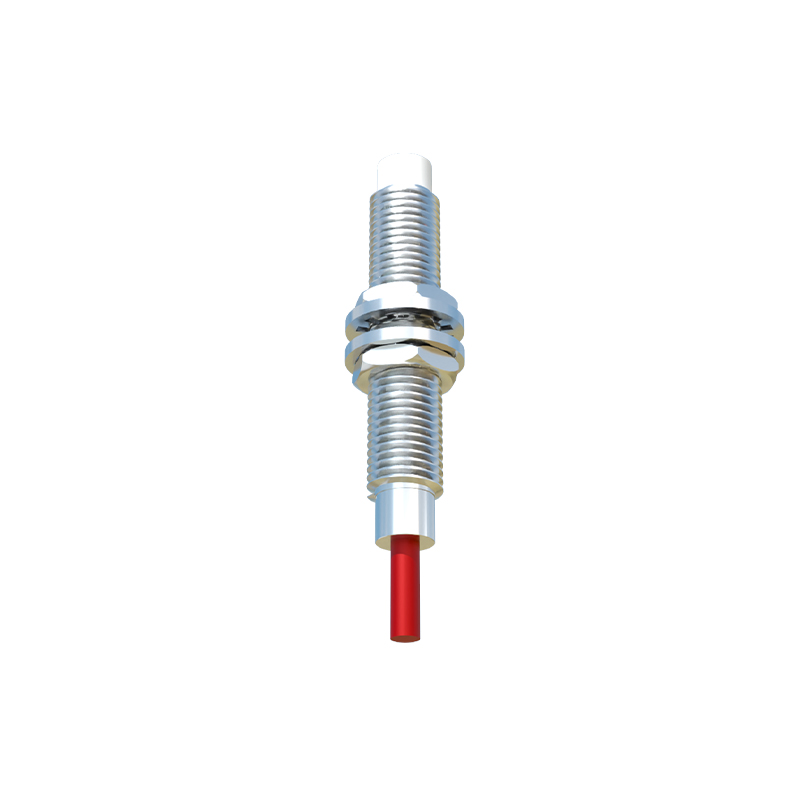
Several key variables determine the ideal placement of a sensor relative to its target. First and foremost is the sensor technology. Inductive sensors detect metallic objects, and their sensing distance is affected by the target's material. For instance, steel achieves the full Sn, while stainless steel may reduce it to ~80%, aluminum to ~40%, and copper to ~30%. Capacitive sensors, used for non-metallic materials, have their distance influenced by the target's dielectric constant. Ultrasonic and photoelectric sensors have different beam patterns and are affected by target color, surface texture, and angle.
The target characteristics are equally critical. The size, shape, and material of the object must be considered. A target smaller than the standard specified one will require a closer working distance. The approach direction also matters; for inductive sensors, the optimal and most repeatable detection occurs when the target approaches axially, perpendicular to the sensing face. Lateral or tangential approaches can significantly reduce the effective range.
Environmental conditions cannot be overlooked. Excessive ambient temperature can affect the electronics and oscillation circuit, potentially increasing or decreasing the sensing distance. The presence of strong electromagnetic fields, cutting fluids, dust, or other contaminants can also impact performance, particularly for capacitive and photoelectric sensors. For inductive sensors, the mounting environment is vital. Embedding a flush-mountable sensor in metal (its intended setup) creates a defined sensing field. If a non-flush sensor is mounted flush in metal, or a flush sensor is mounted non-flush, the sensing distance can be drastically reduced due to shielding effects.
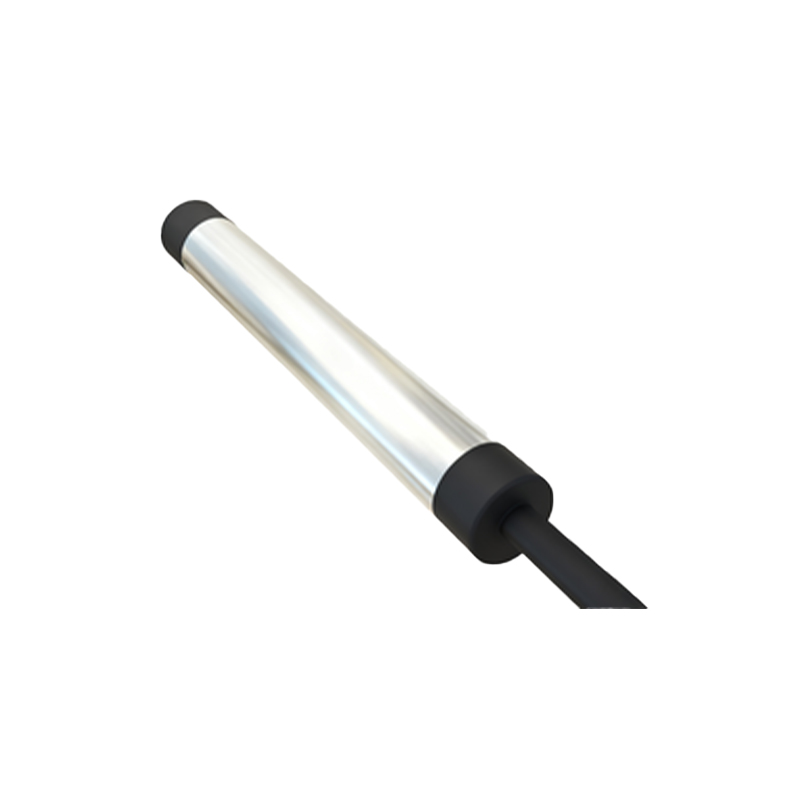
To achieve optimal performance, engineers must adhere to best practices. Always design the installation to use 80% or less of the nominal sensing distance (Sn). This 20% safety margin accounts for part tolerances, temperature drift, voltage variations, and mechanical vibrations, ensuring fail-safe operation over the system's lifetime. For applications requiring high precision, such as positioning or counting small parts, operate at an even shorter distance, perhaps 50% of Sn, to ensure a strong and stable signal. Ensure the target is large enough and approaches correctly. For inductive sensors, use the correction factors for different metals to calculate the adjusted sensing distance. Follow the manufacturer's mounting instructions meticulously regarding flush vs. non-flush installation and maintain the necessary clearance from adjacent metal (lateral and front) to prevent mutual interference.
Regular verification and maintenance are part of the lifecycle. Periodically check the sensor's response at its set working distance. Any drift or inconsistency may indicate wear, buildup of contaminants, or changes in the target material. In dynamic systems, consider the speed of the target; the sensor's response time and switching frequency must be compatible to avoid missed detections.
In conclusion, the optimal working distance for a proximity sensor is a carefully calculated compromise between maximum range, reliability, repeatability, and safety. It is not the farthest distance at which a sensor can sporadically detect an object, but the dependable range within its specified operational envelope. By rigorously considering sensor type, target properties, environmental factors, and incorporating a substantial safety margin, engineers can ensure robust, trouble-free integration that maximizes system uptime and precision. Ignoring these principles often leads to intermittent faults, production errors, and costly downtime, underscoring that in automation, precision in installation begets precision in operation.