In the realm of industrial automation and smart device integration, proximity sensors play a pivotal role in enabling non-contact detection and measurement. Among the various types available, the Proximity Sensor Apx series stands out for its reliability and versatility. This article delves into the core aspects of the Apx sensor, exploring its operational principles, distinct features, and the wide array of applications where it proves indispensable.
At its core, the Proximity Sensor Apx is an electronic device designed to detect the presence or absence of an object within a specific range without any physical contact. It operates primarily on the principle of electromagnetic field disturbance or capacitive change. The most common variant, the inductive Apx sensor, generates an oscillating electromagnetic field from its sensing face. When a metallic object enters this field, it induces eddy currents within the object, causing a change in the oscillation amplitude. This change is detected by the sensor's internal circuitry, which subsequently triggers a switching signal. For non-metallic objects, a capacitive version of the Apx sensor is often employed, which detects changes in capacitance caused by the object's dielectric properties.
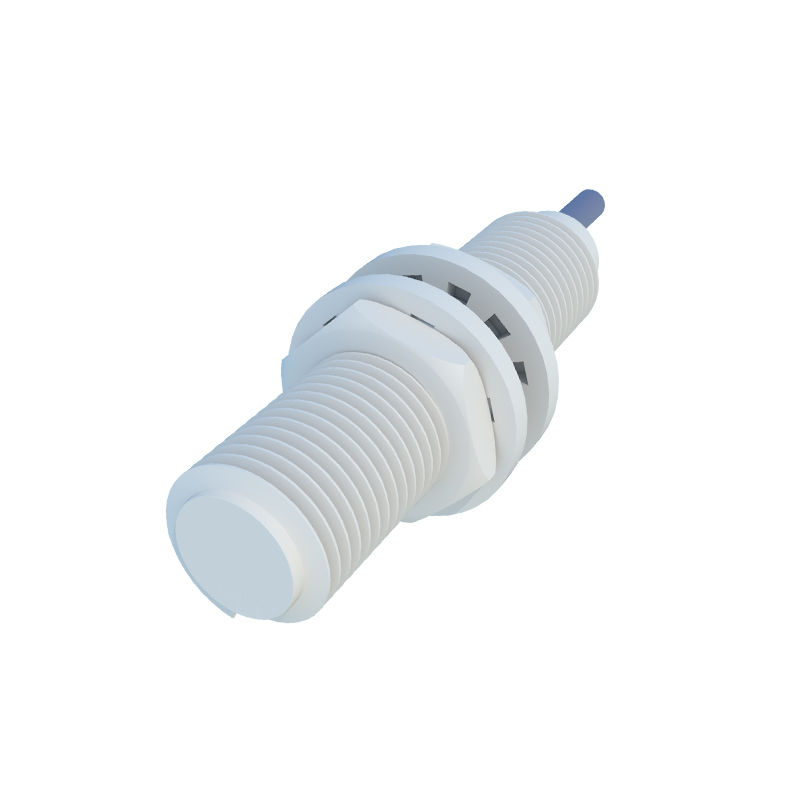
The defining characteristics of the Proximity Sensor Apx series contribute significantly to its popularity. One of its foremost features is its high switching frequency and rapid response time, allowing it to detect objects at high speeds—a critical requirement in fast-paced production lines. Furthermore, these sensors are renowned for their exceptional durability. Housed in robust casings typically made of nickel-plated brass or stainless steel, they offer high resistance to environmental factors such as dust, moisture, oil, and chemical splashes, often conforming to IP67 or higher ingress protection ratings. This makes them suitable for harsh industrial environments. Another key advantage is their long operational life. Since there are no moving parts and no physical contact with the target object, mechanical wear is virtually eliminated, leading to minimal maintenance and reduced downtime.
Accuracy and stability are also hallmarks of the Apx sensor. It provides a consistent sensing distance, known as the nominal sensing range (Sn), which is largely unaffected by ambient light or surface color of the target. Many models feature built-in protection against short-circuit, reverse polarity, and overload, enhancing system safety. Additionally, modern Apx sensors often incorporate LED status indicators for easy diagnostics and setup.
The applications of the Proximity Sensor Apx are vast and span multiple industries. In manufacturing and assembly automation, they are ubiquitous. They are used for precise object counting on conveyor belts, detecting the position of machine parts (like cylinder piston position), ensuring proper jig and fixture placement, and initiating automated processes when a component is in place. The automotive industry relies heavily on these sensors for robotic welding, paint shop automation, and part presence verification. In packaging machinery, Apx sensors control filling levels, detect labels, and monitor seal integrity.
Beyond heavy industry, these sensors find roles in consumer electronics and security systems. They can be used in smartphones for touchless screen control or in automatic faucets and soap dispensers for hygiene-conscious environments. In material handling and logistics, they facilitate pallet detection, warehouse door control, and automated guided vehicle (AGV) navigation by detecting magnetic markers.
When selecting a Proximity Sensor Apx for a specific task, several parameters must be considered. The sensing range, the type of target material (ferrous metal, non-ferrous metal, or non-metal), the output configuration (NPN or PNP, normally open or normally closed), the supply voltage, and the physical size and mounting style are all critical factors. Proper installation is equally important; ensuring the correct alignment, maintaining the recommended distance from other metal objects to avoid mutual interference, and using appropriate shielding in electrically noisy environments are best practices for optimal performance.
In conclusion, the Proximity Sensor Apx represents a mature yet continually evolving technology that forms the backbone of modern automated systems. Its non-contact nature, robustness, and precision make it an essential component for enhancing efficiency, safety, and reliability across countless applications. As industries move towards greater connectivity and intelligence within the Industrial Internet of Things (IIoT), the integration capabilities and data-providing potential of sensors like the Apx series will only become more valuable, solidifying their role in the factories and smart devices of the future.