Proximity sensors, the silent sentinels of automation, are ubiquitous in modern industry and technology. These non-contact devices detect the presence or absence of an object within a defined range without physical touch. Their ability to operate reliably in harsh environments, provide high-speed response, and offer exceptional longevity makes them indispensable. But where exactly are they deployed? This guide delves into the extensive applications of proximity sensors across various sectors.
In the realm of industrial automation and manufacturing, proximity sensors form the backbone of countless processes. On assembly lines, they are used for precise object detection, counting, and positioning. Inductive sensors, which detect metallic objects, are crucial for verifying the presence of parts like engine blocks, metal panels, or bearings. In robotic arms, they ensure accurate end-effector positioning and prevent collisions. Machine tools rely on them for tool wear monitoring, spindle positioning, and chuck jaw detection. Conveyor systems use these sensors to track product flow, control sorting gates, and manage palletizing operations. Within packaging machinery, capacitive or photoelectric sensors detect the presence of bottles, cans, or cartons, triggering filling, capping, and labeling sequences. Safety is another critical area; sensors monitor guard door positions on presses and robotic cells, ensuring machines only operate when it is safe to do so.
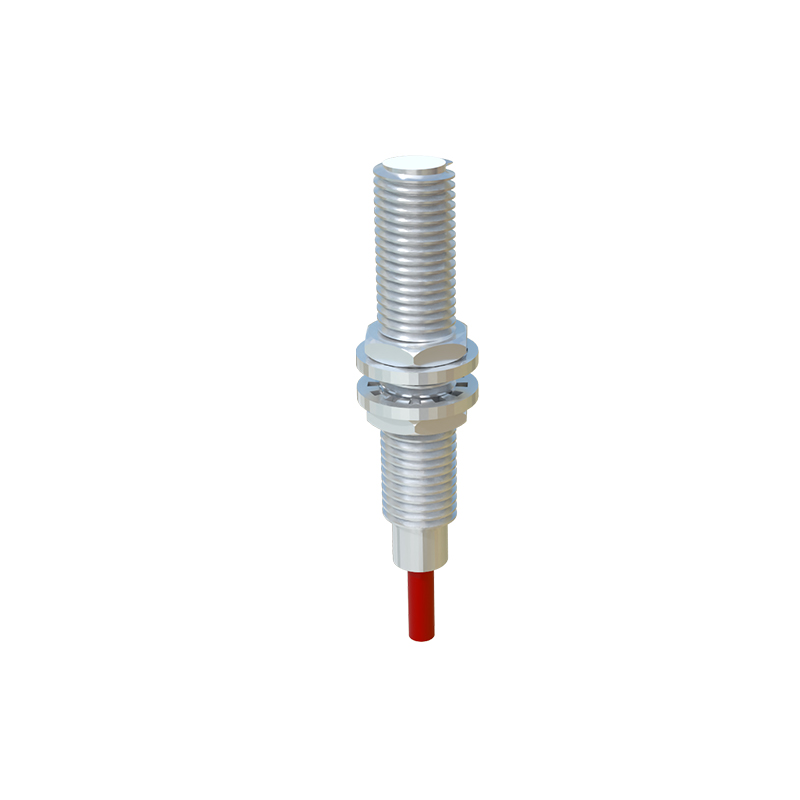
The automotive industry is a massive consumer of proximity sensing technology. From the manufacturing floor to the final vehicle, sensors are everywhere. During production, they guide robotic welders, inspect part placement, and control paint shop automation. In the vehicle itself, numerous proximity sensors enhance functionality and safety. Ultrasonic sensors embedded in bumpers provide parking assistance and blind-spot detection. Inductive sensors monitor wheel speed for anti-lock braking systems (ABS) and transmission gear position. Capacitive sensors are found in touch-sensitive interior controls and occupant detection systems for airbag deployment. Modern advanced driver-assistance systems (ADAS) heavily rely on a fusion of radar, LiDAR, and ultrasonic proximity sensors to enable features like adaptive cruise control and automatic emergency braking.
Consumer electronics and appliances integrate proximity sensors to create intuitive and energy-efficient user interfaces. The most common example is in smartphones and tablets, where an infrared or capacitive proximity sensor disables the touchscreen and turns off the display when the device is held to the ear during a call, preventing accidental inputs. Laptops use them to detect when the lid is closed, triggering sleep mode. In home appliances, automatic faucets and soap dispensers use infrared sensors for touch-free operation. Some modern refrigerators use sensors to detect when a user approaches, illuminating the interior. Robotic vacuum cleaners employ infrared or ultrasonic sensors to map rooms and avoid obstacles.
Beyond these core areas, proximity sensors find specialized applications. In the aerospace sector, they monitor landing gear status, flap positions, and door closures. The food and beverage industry utilizes robust, washdown-rated sensors (often capacitive or photoelectric) to detect liquid levels in tanks, control filling processes, and verify cap placement on containers. In the pharmaceutical industry, they ensure precise counting of pills and vials in high-speed packaging lines. Building automation employs them for security systems, such as detecting door/window openings, and for energy management, like controlling lighting in occupied spaces. Even in agriculture, sensors on harvesting equipment help guide machinery and monitor crop flow.
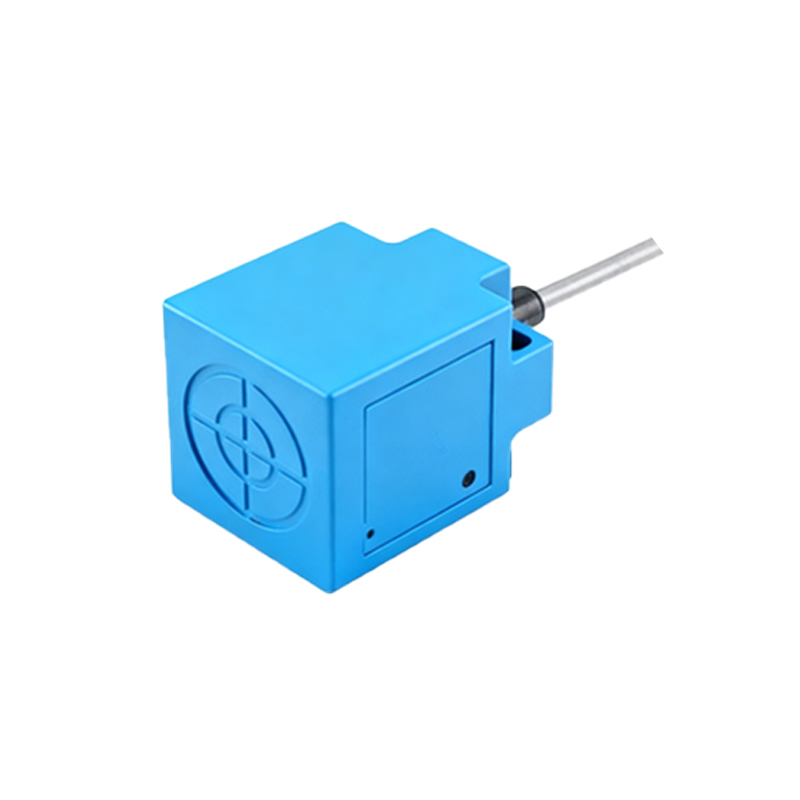
The choice of sensor type—inductive, capacitive, ultrasonic, photoelectric, or magnetic—is dictated by the target material, required sensing distance, environmental conditions (temperature, contaminants), and the specific application need. Inductive sensors are kings for metals in factory settings. Capacitive sensors handle non-metals like wood, plastic, and liquids. Ultrasonic sensors excel at longer ranges and detecting various materials, including transparent objects. Photoelectric sensors use light beams for precise detection over distances.
In conclusion, proximity sensors are not just "somewhere" in machinery; they are fundamental components embedded in the fabric of modern industrial and technological systems. From ensuring the precision of a robotic welder to enabling the convenience of a touchless faucet, their applications are vast and critical. As industries move towards greater automation, connectivity (Industry 4.0/IoT), and smart technology, the role of proximity sensors will only expand, becoming more intelligent and integrated, continuing to drive efficiency, safety, and innovation across the global landscape.