In modern automotive engineering, the seamless integration of electronic convenience features is paramount. The Ford Explorer, a flagship SUV, employs a sophisticated network of sensors to enhance user experience and security. Among these, the left front door handle proximity sensor plays a critical, yet often understated, role. This article provides a technical deep-dive into its function, integration, and common diagnostic procedures.
The left front door handle proximity sensor is a capacitive or inductive sensing device embedded within the door handle assembly. Its primary function is to detect the presence of a user's hand in close proximity to the handle. This detection is the key enabler for the Passive Entry and Passive Start (PEPS) system. When an authorized key fob is within a defined range (typically ~1 meter), the sensor's activation initiates a secure wireless challenge-response handshake between the vehicle and the fob. Upon successful authentication, the vehicle's Body Control Module (BCM) commands the door latch to unlock, allowing the door to be opened without physically pressing a button on the fob.
From an architectural standpoint, the sensor is not a standalone unit. It is part of a Local Interconnect Network (LIN) or, in newer models, a Controller Area Network (CAN-FD) sub-network dedicated to door modules. The sensor itself is a simple switch-like device in electrical terms, but its signal is processed by a Door Handle Control Module or directly by the Door Control Module (DCM). This module conditions the signal and communicates the "hand-present" state to the BCM via the vehicle's high-speed CAN bus. This layered communication ensures both speed and security, preventing unauthorized access attempts.
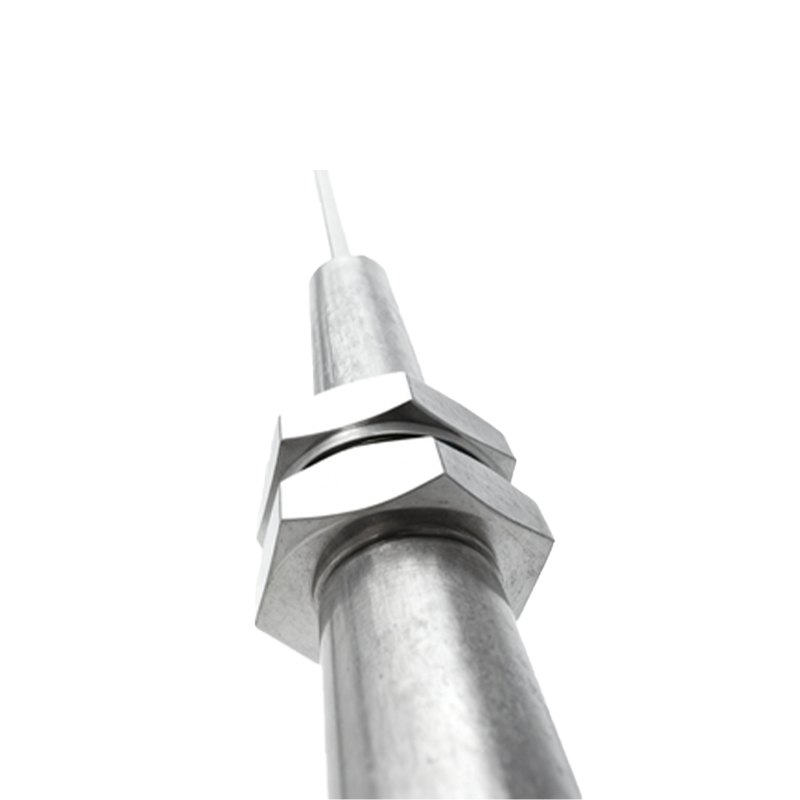
The technical specifications of this sensor are designed for robustness. It must operate reliably across a wide temperature range (-40°C to +85°C), withstand high levels of electromagnetic interference (EMI) from the vehicle's electrical system, and resist exposure to moisture, chemicals, and UV radiation. The sensor's detection field is carefully calibrated to minimize false triggers from rain, wind, or accidental brushes while ensuring consistent detection of an intentional grasp.
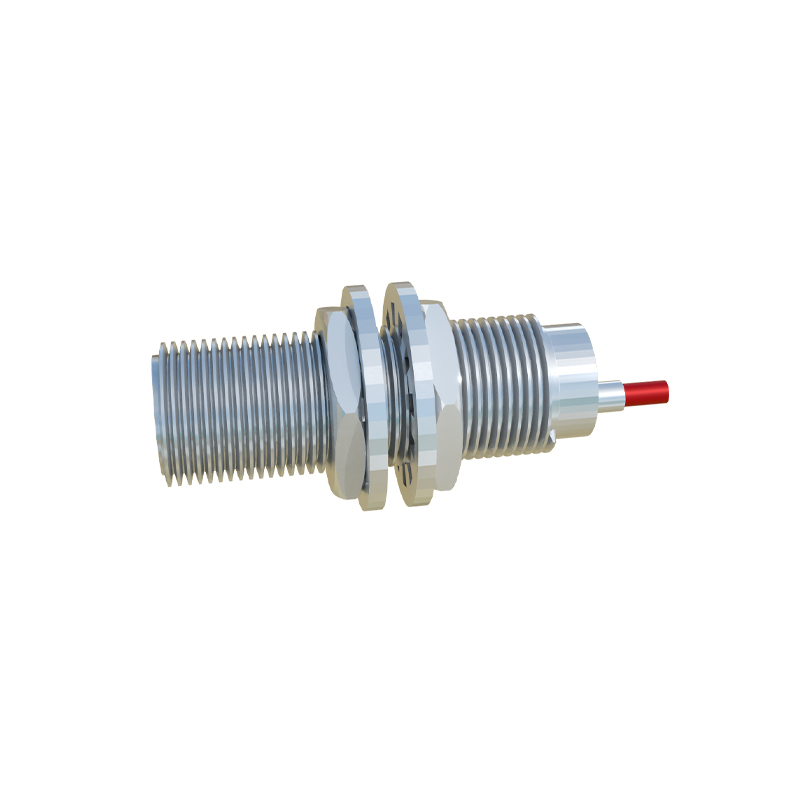
Common failure modes for the Ford Explorer's left front door handle proximity sensor include:
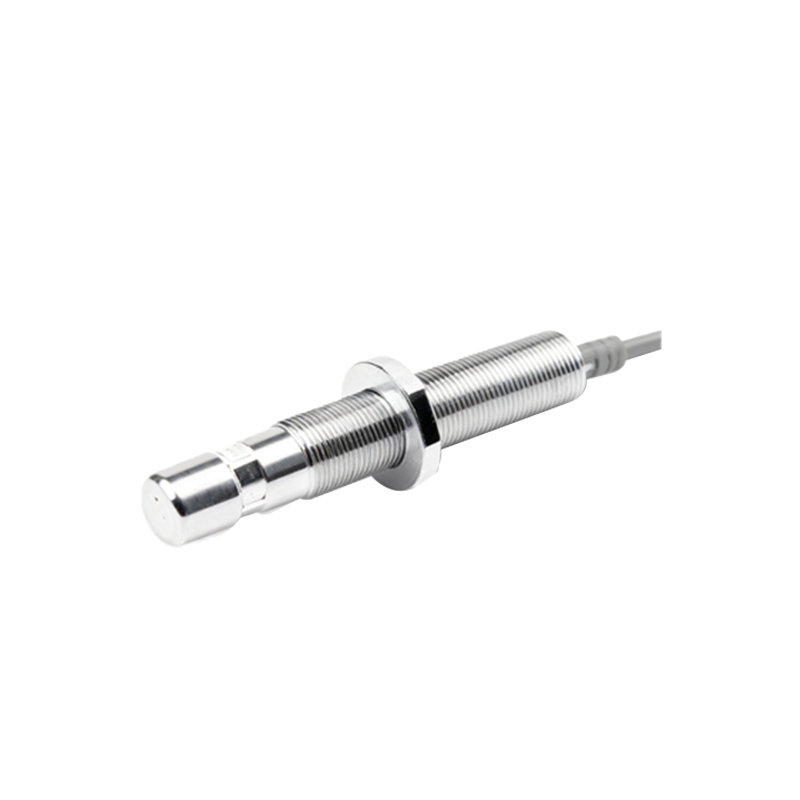
1. Complete Failure of Passive Entry: The most obvious symptom. The door will not unlock via touch when the fob is present, though it may still lock via the handle's button or work normally with the fob buttons.
2. Intermittent Operation: The sensor works sporadically, often related to environmental conditions like temperature or humidity, pointing to potential moisture ingress or a failing connection.
3. Parasitic Drain: A internally shorted sensor or its control module can cause a continuous draw on the battery, leading to a dead battery over time.
Diagnosis requires a systematic approach. Technicians should begin with a scan tool capable of accessing the BCM and DCM fault codes. Codes such as B12E1:13 (Left Front Door Handle Sensor - Circuit Open) or B12E2:96 (Left Front Door Handle Sensor - Component Internal Failure) are direct indicators. The next step involves live data monitoring; observing the sensor's state parameter while simulating a hand grasp can confirm its operation.
Electrical testing involves checking the wiring harness between the door handle and the DCM for continuity, short to power/ground, and terminal integrity. Reference the vehicle's wiring diagram for precise pin-outs. Power (typically 12V) and ground must be verified at the sensor connector. Finally, the sensor's resistance or signal output can be measured against manufacturer specifications. Often, due to the sealed nature of the handle assembly, the entire door handle unit is replaced as a single service component.
In conclusion, the left front door handle proximity sensor in the Ford Explorer is a sophisticated piece of automotive electronics that bridges user convenience with vehicle security. Its operation is a testament to the complex, networked systems running behind the scenes of modern vehicles. Understanding its integration into the PEPS and vehicle network architecture is essential for accurate diagnosis and repair, ensuring the "hands-free" entry experience remains a reliable feature for the vehicle's lifespan.