In the rapidly evolving landscape of industrial automation and smart manufacturing, miniature proximity sensors have emerged as critical components, enabling precise detection and control in compact spaces. These sensors, typically defined by their small form factor—often as tiny as a few millimeters in diameter—supply a wide range of functionalities that are essential for enhancing efficiency, safety, and reliability across various sectors. From automotive assembly lines to consumer electronics production, the demand for these sensors continues to grow, driven by the need for miniaturization and high-performance sensing solutions.
At their core, miniature proximity sensors supply non-contact detection capabilities, using technologies such as inductive, capacitive, or magnetic principles to sense the presence or absence of objects without physical contact. This non-invasive nature reduces wear and tear, ensuring longevity and minimal maintenance in harsh industrial environments. For instance, inductive sensors are commonly supplied for metal detection in machinery, while capacitive variants excel in detecting non-metallic materials like plastics or liquids, making them versatile for diverse applications. The supply chain for these sensors encompasses specialized manufacturers who focus on precision engineering, often customizing designs to meet specific industry requirements, such as high-temperature resistance or waterproofing for outdoor use.
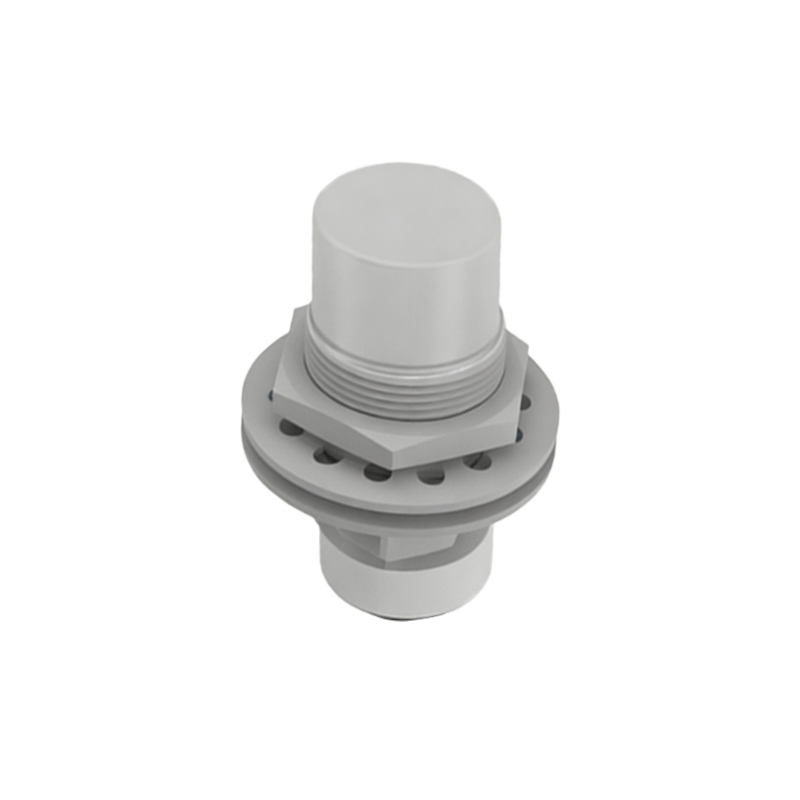
One key aspect of miniature proximity sensor supply is their integration into Internet of Things (IoT) and Industry 4.0 systems. These sensors supply real-time data that feeds into centralized control units, enabling predictive maintenance and optimized operational workflows. In robotics, for example, they supply critical feedback for positioning and obstacle avoidance, allowing autonomous systems to function seamlessly in confined spaces. The electronics industry heavily relies on them for PCB assembly and quality control, where their small size allows for installation in tight layouts without compromising detection accuracy. Additionally, the automotive sector utilizes these sensors in advanced driver-assistance systems (ADAS) and engine management, where they supply vital inputs for safety and performance monitoring.
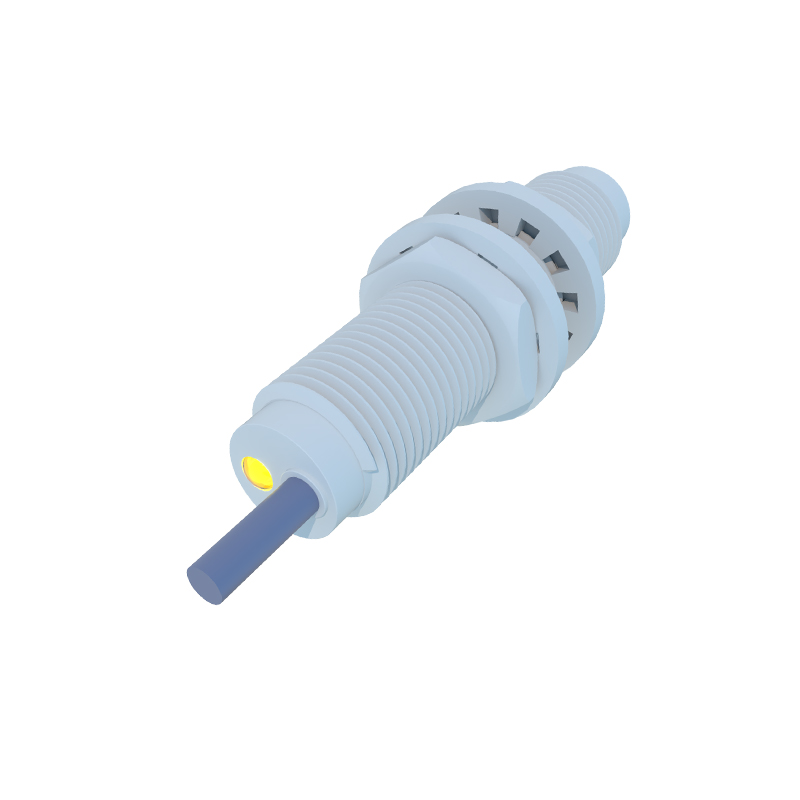
The global supply of miniature proximity sensors is characterized by a competitive market with leading suppliers from regions like Europe, North America, and Asia, each offering innovations in sensitivity, response time, and energy efficiency. Recent trends include the development of ultra-miniature sensors with enhanced ranges and the integration of smart features like self-diagnostics. However, challenges such as supply chain disruptions or material shortages can impact availability, prompting industries to adopt strategic sourcing practices. Overall, miniature proximity sensors supply indispensable solutions that drive automation forward, and their continued evolution promises to support emerging technologies in sectors like healthcare, aerospace, and renewable energy.