Inductive proximity sensors are critical components in industrial automation, offering non-contact detection of metallic objects. As an experienced electrical engineer, I've encountered numerous sensor failures that disrupt production lines. Understanding maintenance and troubleshooting procedures can significantly reduce downtime and extend sensor lifespan.
Inductive sensors operate on electromagnetic principles. When a metallic target enters the sensing range, it alters the oscillator's amplitude, triggering a output signal change. Common failures include false triggering, reduced sensing distance, or complete signal loss. Before troubleshooting, always verify power supply voltage (typically 10-30V DC) and ensure proper grounding.
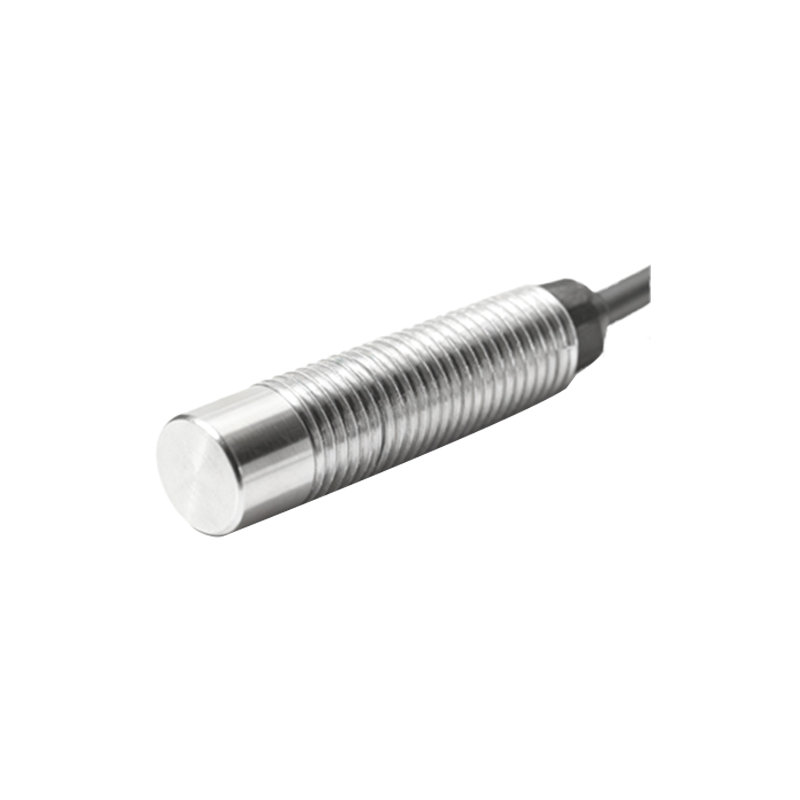
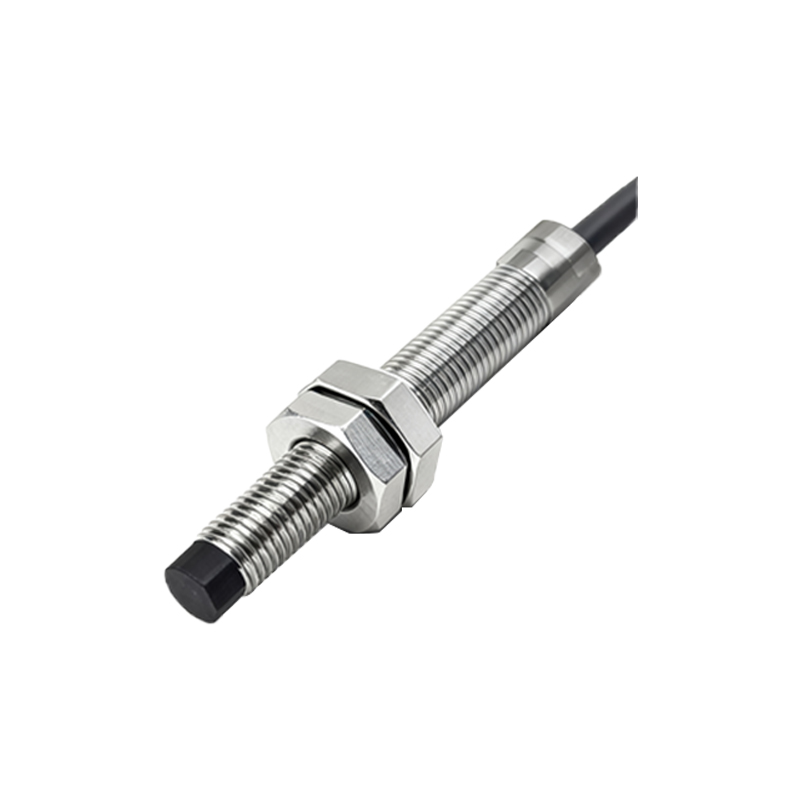
Preventive maintenance involves regular cleaning of sensor faces using isopropyl alcohol to remove metal dust accumulation. Metal particles can cause erratic behavior by creating false targets. For cylindrical sensors, check mounting nuts for tightness—vibration-induced loosening may alter sensing alignment. In harsh environments, consider installing protective shrouds to minimize physical damage from debris.

Tuning fork style sensors require particular attention to mechanical stability. Inspect mounting brackets for stress cracks and verify that sensing distances are calibrated according to manufacturer specifications. Remember that different metals affect sensing ranges—steel typically provides the longest range while non-ferrous metals like aluminum may reduce effective distance by 30-50%.
When troubleshooting intermittent signals, first examine cable integrity. Flexing cables near connectors often develops internal breaks. Use a multimeter to check for short circuits or open wires. For three-wire DC sensors, measure voltage between brown (positive) and blue (negative) wires, then verify output voltage between black (signal) and blue wires when activating the sensor.
Temperature extremes affect sensor performance. High temperatures may cause internal component drift, while freezing conditions can make housing materials brittle. Always consult datasheets for operating temperature ranges. If sensors operate near thermal limits, consider installing heat sinks or cooling fans.
Electrical interference from variable frequency drives or welding equipment can disrupt sensor operation. Implement shielding by using metal conduit for wiring and ensuring proper separation from high-voltage cables. Ferrite cores installed near sensor connectors may suppress high-frequency noise.
Calibration verification should be performed quarterly using certified thickness gauges. Document sensing distance measurements to identify gradual performance degradation. For analog sensors, plot output curves against standard targets to detect linearity issues.
Replacement considerations: When sensors repeatedly fail in specific locations, analyze environmental factors. Excessive humidity might require IP67 or IP69K rated units. Chemical exposure necessitates stainless steel housings with appropriate chemical resistance ratings. Always match replacement sensors' output types (PNP/NPN) and connection methods with existing control systems.
Advanced diagnostics involve oscilloscope analysis of oscillator waveforms. Damped oscillation patterns indicate target presence, while irregular waveforms suggest internal component failure. Some modern sensors offer diagnostic LEDs with blink patterns indicating specific fault conditions—consult manufacturer documentation for code interpretation.
Establish a sensor maintenance log recording installation dates, cleaning schedules, and failure incidents. This data helps identify patterns and optimize replacement intervals. Many facilities implement 5% annual spare parts inventory based on total sensor count to ensure quick replacements.
Proper sensor selection during initial installation prevents many common issues. Consider factors like target material, required sensing distance, response frequency, and environmental protection ratings. Investing in higher quality sensors with robust construction often proves more economical through reduced maintenance needs and longer service intervals.
Remember that while inductive sensors are generally reliable, their electromagnetic nature makes them susceptible to specific failure modes. Systematic troubleshooting following manufacturer guidelines combined with regular preventive maintenance ensures optimal performance throughout their operational lifespan.