Square proximity sensors have become indispensable components in modern industrial automation, offering unique advantages over their cylindrical counterparts. These robust sensing devices detect the presence or absence of objects without physical contact, utilizing electromagnetic fields, capacitive changes, or ultrasonic waves. Their flat, compact design allows for seamless integration into machinery with limited space, making them ideal for assembly lines, packaging systems, and robotic applications.
One of the key benefits of square proximity sensors is their enhanced sensing range and stability. The square housing often accommodates larger coil systems or advanced circuitry, enabling more precise detection of metallic or non-metallic targets. Industries such as automotive manufacturing rely on these sensors for precise positioning of components, while the food and beverage sector values their easy-to-clean surfaces and resistance to harsh washdown environments. Modern square sensors also feature IP67 or higher ingress protection ratings, ensuring reliable operation in dusty, humid, or oily conditions.
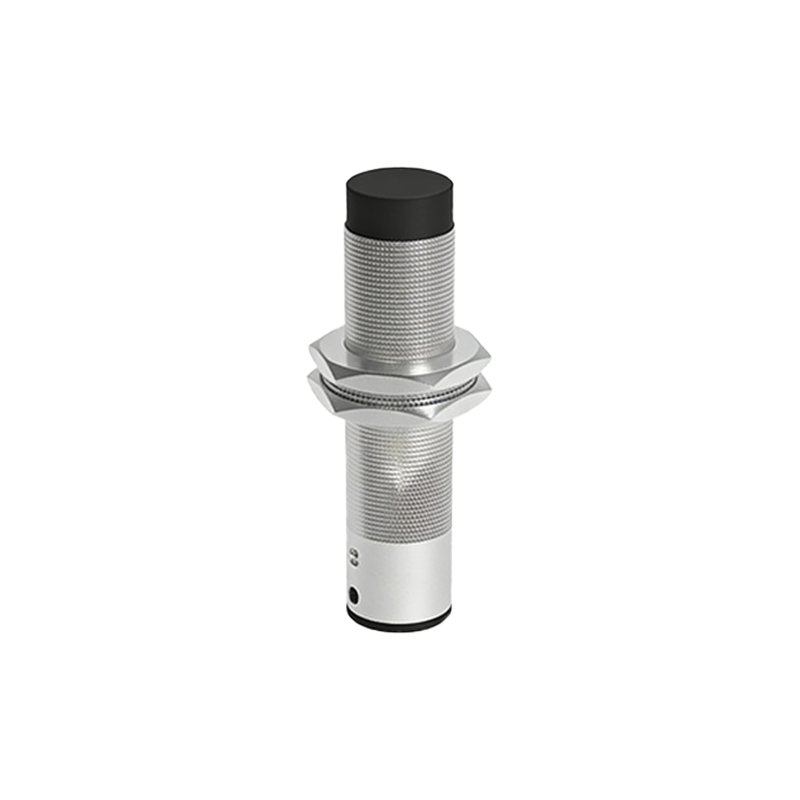
When selecting a square proximity sensor, engineers must consider factors like sensing distance, output type (PNP/NPN), and material compatibility. Inductive models excel at detecting metals, while capacitive variants handle liquids, plastics, and other non-metallics. Many contemporary designs incorporate IO-Link communication for real-time diagnostics and parameter adjustments, reducing downtime and maintenance costs. Installation is simplified with standardized mounting holes and alignment indicators, allowing for quick replacements or upgrades.
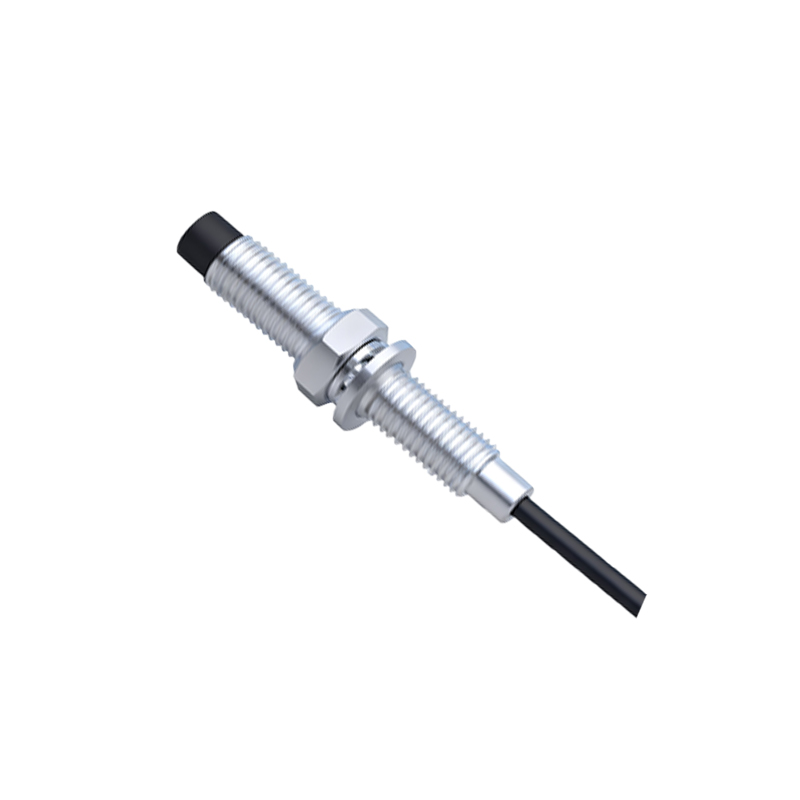
In conclusion, square proximity sensors represent a versatile and durable solution for diverse industrial challenges. Their geometric design optimizes space utilization without compromising performance, paving the way for smarter, more efficient automation systems. As Industry 4.0 evolves, these sensors will continue to play a critical role in enabling seamless machine communication and data-driven decision-making.