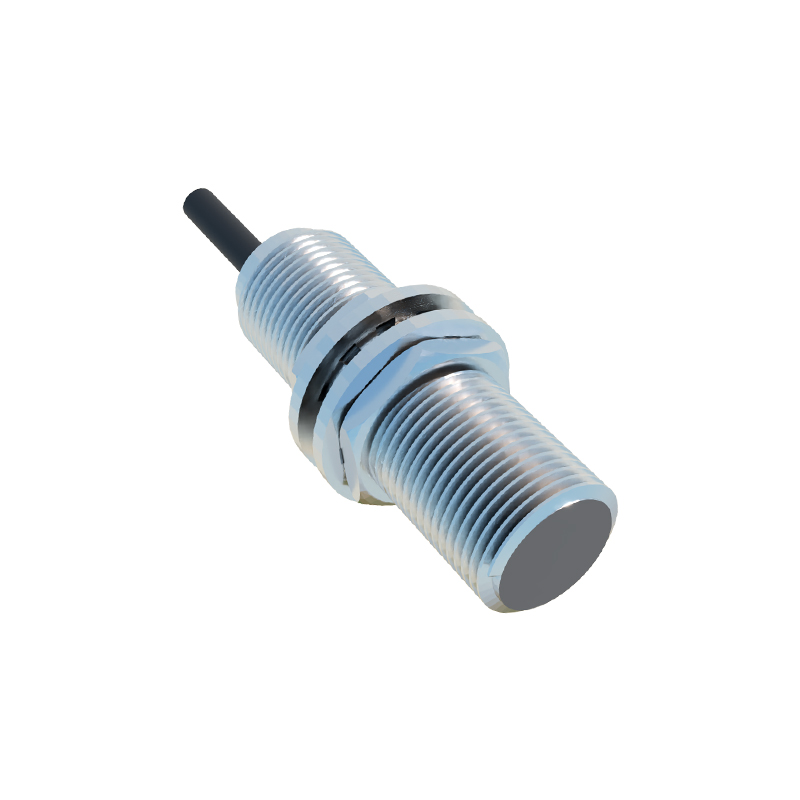
In industrial automation systems, proximity sensors and contactors are fundamental components that work together to enable efficient and reliable control of machinery. Proximity sensors detect the presence or absence of an object without physical contact, while intermediate contactors act as electrically controlled switches to handle higher current loads. Properly wiring a proximity sensor to an intermediate contactor is crucial for ensuring safe and effective operation. This article provides a detailed guide on the wiring process, considerations for selection, and best practices for implementation.
Proximity sensors come in various types, including inductive, capacitive, and magnetic. Inductive sensors are commonly used for detecting metallic objects, making them ideal for manufacturing environments. These sensors typically have three wires: brown (positive), blue (negative), and black (output signal). The output can be either normally open (NO) or normally closed (NC), depending on the application requirements. When selecting a sensor, factors such as sensing distance, environmental conditions, and output type must be considered to match the specific needs of the system.
Intermediate contactors are designed to switch higher currents than standard relays, making them suitable for controlling motors, heaters, or lighting systems. A typical contactor has a coil terminal for the control circuit and main terminals for the power circuit. The coil voltage must match the control voltage supplied by the proximity sensor’s output. Common coil voltages include 24V DC or 120V AC, which align with standard industrial control voltages. It is essential to verify the contactor’s specifications, including current rating and coil compatibility, to prevent overheating or failure.
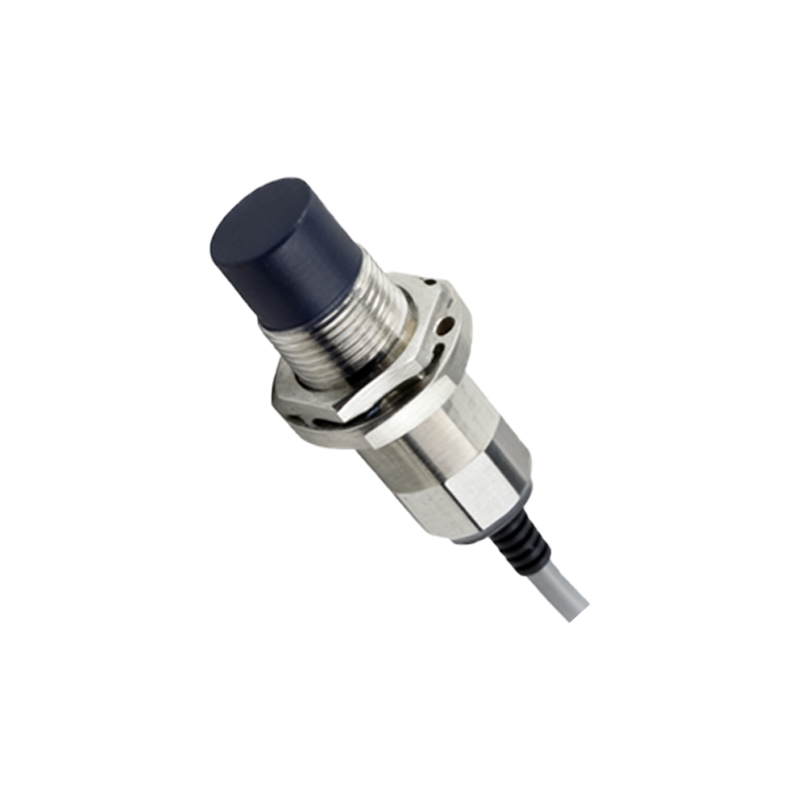
Wiring a proximity sensor to an intermediate contactor involves connecting the sensor’s output to the contactor’s coil. For a DC sensor, connect the brown wire to the positive supply and the blue wire to the negative supply. The black output wire should be connected to one terminal of the contactor coil, while the other coil terminal is linked to the negative supply (for NPN sensors) or positive supply (for PNP sensors). This configuration allows the sensor to energize the contactor coil when an object is detected, closing the contactor’s main contacts and activating the connected load.
In AC systems, the wiring follows a similar principle but requires attention to voltage phases and grounding. Ensure that the sensor and contactor are rated for the same voltage to avoid damage. Always use appropriate wire gauges based on current requirements and install protective devices such as fuses or circuit breakers to safeguard against short circuits. Proper labeling of wires and terminals enhances maintenance and troubleshooting efficiency.
Testing and commissioning are critical steps after wiring. Use a multimeter to check for continuity and correct voltage levels. Simulate sensor activation by introducing a target object and verify that the contactor engages reliably. Monitor for any abnormal heating or noise, which could indicate loose connections or mismatched components. Regular maintenance, including cleaning sensor faces and inspecting contactor contacts for wear, prolongs the lifespan of the system.
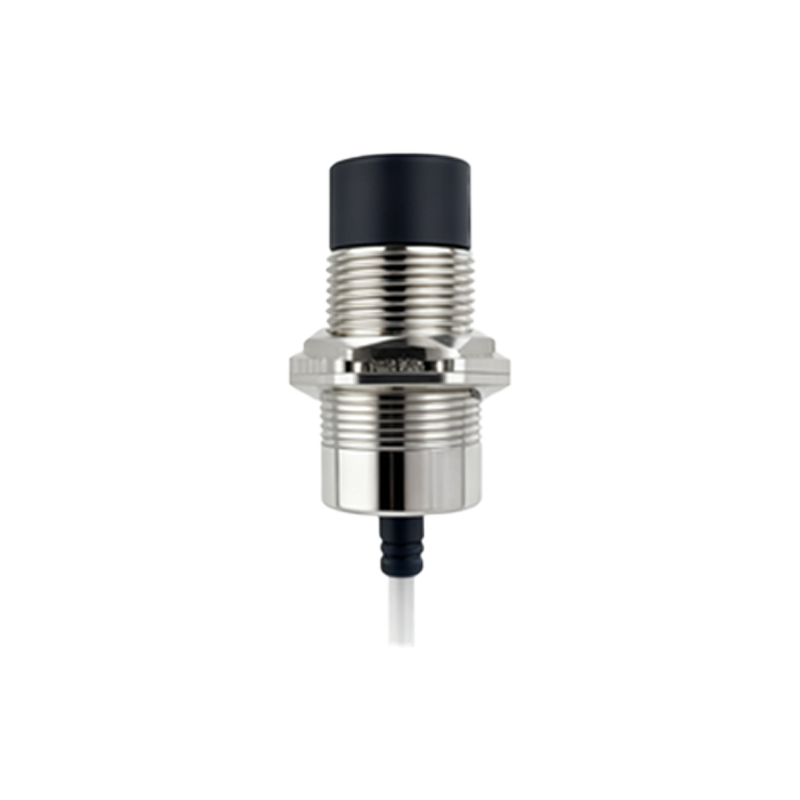
Implementing proximity sensors with intermediate contactors offers several advantages, such as reduced mechanical wear, faster response times, and improved safety by eliminating physical contact. These systems are widely used in conveyor belts, packaging machines, and robotic arms. By following industry standards and manufacturer guidelines, engineers can design robust automation solutions that enhance productivity and minimize downtime.
In summary, wiring proximity sensors to intermediate contactors requires careful planning and execution. Understanding the electrical characteristics of both components, adhering to wiring diagrams, and conducting thorough testing ensure optimal performance. As automation technology evolves, integrating smart sensors with advanced contactors will continue to drive innovation in industrial applications, offering greater precision and control.