In the dynamic landscape of industrial automation, the demand for reliable, precise, and adaptable sensing solutions is paramount. Among the diverse array of sensors available, the independent amplifier type proximity sensor stands out as a sophisticated and highly configurable component. This design philosophy separates the sensing element from the signal conditioning electronics, offering distinct advantages in challenging applications. Unlike integrated or self-contained sensors where the amplifier is built into the probe housing, this architecture features a remote amplifier unit connected to a separate sensing head via a cable.
The core operational principle remains based on electromagnetic induction for inductive types or capacitive field changes for capacitive types. However, the critical differentiation lies in the signal processing chain. The sensing head, often compact and rugged, contains only the essential coil or electrode and oscillator circuit. It generates a weak, raw signal upon detecting a target. This signal is transmitted to the remote, independent amplifier unit. This dedicated unit is responsible for all subsequent processing: amplifying the weak signal, filtering out electrical noise, setting the sensing distance via potentiometers or digital interfaces, and providing a clean, stable output signal (e.g., PNP/NPN, NO/NC, analog 4-20mA, or IO-Link).
This physical separation confers significant engineering benefits. Firstly, it enhances performance in extreme environments. The sensitive amplifier electronics can be installed in a protected control cabinet, away from high temperatures, severe vibration, or chemical exposure that might be present at the actual sensing point. Only the robust sensing head is exposed to harsh conditions, thereby increasing overall system reliability and longevity. Secondly, it offers unparalleled flexibility. A single amplifier unit can often be configured to work with different sensing heads of varying sizes, sensing ranges, and materials (e.g., stainless steel for washdown areas). This modularity simplifies inventory management and allows for easy customization without replacing the entire sensor.
Furthermore, independent amplifier systems excel in applications requiring precise tuning and advanced diagnostics. The amplifier unit typically features multi-turn potentiometers or digital displays for fine adjustment of the switching point and hysteresis. This is crucial in detecting minute differences or ensuring stable operation with difficult-to-sense materials. Advanced models provide diagnostic LEDs, teach-in functions, and short-circuit protection directly on the amplifier, facilitating easier setup and maintenance. For complex multi-sensor installations, centralizing the amplifiers in one panel simplifies wiring, power distribution, and troubleshooting compared to dealing with numerous discrete sensors scattered across a machine.
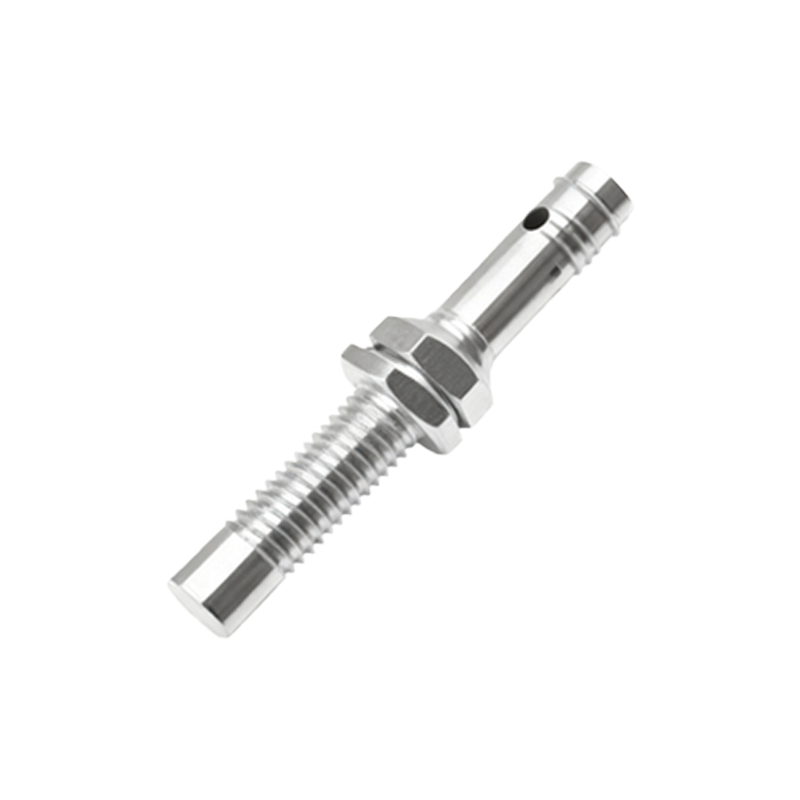
Typical applications are found where environmental resilience or precise control is non-negotiable. In food and beverage processing, a stainless-steel sensing head can withstand frequent caustic washdowns while the amplifier remains safe in a dry enclosure. In plastic injection molding, sensors with high-temperature rated heads monitor ejector pins, with amplifiers placed away from the mold heat. In automated assembly lines, the ability to finely adjust the sensing distance ensures reliable detection of small or oddly shaped components. Material handling systems benefit from using specialized sensing heads (e.g., factor-1 inductive sensors for all metals) controlled by standardized amplifiers.
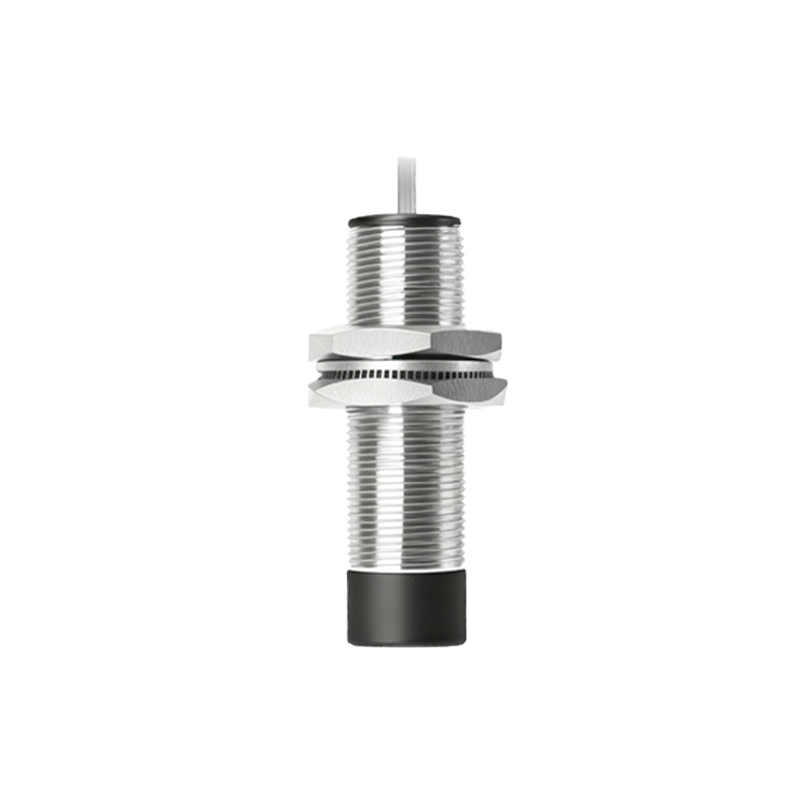
When selecting an independent amplifier proximity sensor system, key specifications to consider include the sensing distance, target material, output type required, environmental protection ratings (IP for the head, IP for the amplifier), temperature range of both components, and response frequency. The choice between inductive, capacitive, or even ultrasonic sensing heads depends entirely on the target material and medium. The connecting cable between the head and amplifier also requires attention, needing appropriate shielding and length to prevent signal degradation.
In conclusion, the independent amplifier type proximity sensor represents a powerful paradigm in industrial sensing. By decoupling the detection element from the signal processor, it delivers superior performance in harsh environments, provides exceptional configuration flexibility, and enables a higher degree of precision and diagnostic capability. For engineers designing systems where reliability, adaptability, and precision are critical, this modular approach offers a compelling solution that integrates seamlessly into the smart, resilient frameworks of modern industrial automation.