In the rapidly evolving landscape of industrial automation and consumer electronics, infrared (IR) proximity sensors have become indispensable components. Their ability to detect the presence or absence of objects without physical contact makes them vital for applications ranging from smartphone screen dimming and robotics to automotive safety systems and assembly line automation. A critical factor influencing their widespread adoption and integration into various designs is their price, which is shaped by a complex interplay of technological, economic, and market forces.
The price spectrum for infrared proximity sensors is remarkably broad, typically ranging from as low as $0.50 for basic, high-volume consumer-grade units to over $50 for specialized, high-performance industrial or automotive-grade sensors. This vast disparity is primarily driven by several key factors. First and foremost is performance specification. Sensors with longer detection ranges, higher accuracy, faster response times, and superior ambient light rejection capabilities command a premium. For instance, a sensor designed for precise object detection in a high-speed packaging machine, requiring immunity to varying lighting conditions, will be significantly more expensive than one used for simple touchless faucet activation.
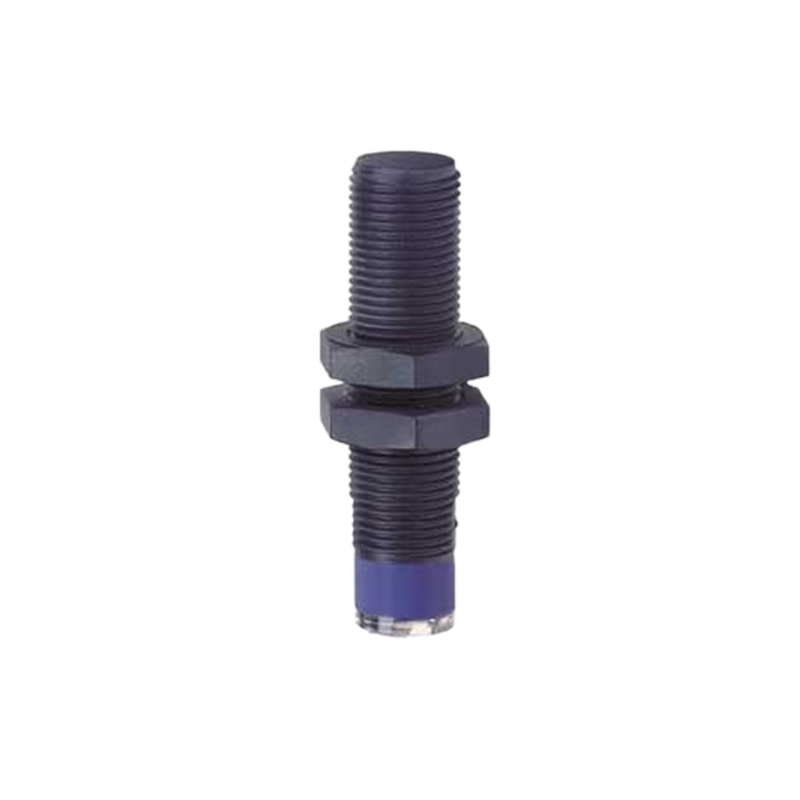
Secondly, the level of integration and additional features heavily influences cost. A discrete sensor comprising only an IR LED and a photodiode is cheaper but requires external circuitry for signal processing. In contrast, digital sensors with integrated signal conditioning, analog-to-digital converters, and I2C or SPI interfaces offer ease of use and design simplicity at a higher unit price. Features like programmable interrupt thresholds, multiple detection ranges, and built-in temperature compensation also add to the cost.
Thirdly, the supply chain and economies of scale play a monumental role. Manufacturers placing orders in the millions for smartphone or tablet applications benefit from drastically reduced per-unit costs due to bulk purchasing and optimized production lines. Conversely, low-volume orders for prototyping or niche industrial applications face higher prices. The choice of supplier is another crucial element. Established brands like Vishay, Sharp, STMicroelectronics, and ams OSRAM often price their sensors higher, justified by proven reliability, comprehensive technical support, and stringent quality control. Emerging manufacturers or generic suppliers may offer lower prices, but this can sometimes come with trade-offs in consistency or long-term availability.
Furthermore, the ongoing global semiconductor shortage and fluctuations in raw material costs have introduced significant volatility into sensor pricing. Disruptions in the supply of silicon wafers, packaging materials, and even the IR LEDs themselves have led to price increases and extended lead times, particularly for components with complex fabrication processes. This environment makes long-term price forecasting challenging for design engineers and procurement specialists.
Looking at market trends, the price pressure is generally downward for standard, commoditized IR proximity sensors due to manufacturing improvements and intense competition, especially in the consumer electronics sector. However, for advanced sensors enabling new functionalities—such as those with multi-zone detection for gesture recognition, ultra-miniaturized packages for wearable devices, or sensors meeting stringent automotive AEC-Q100 qualifications—prices remain stable or even increase as they deliver higher value.
For engineers and buyers, navigating this market requires a careful cost-benefit analysis. The initial purchase price is just one part of the Total Cost of Ownership (TCO). Factors like integration effort, reliability (which affects warranty and repair costs), power consumption, and supplier stability must be weighed against the unit price. Selecting a sensor based solely on the lowest cost can lead to higher integration expenses, performance issues in the field, and potential production delays.
In conclusion, the price of an infrared proximity sensor is not a static figure but a reflection of its capabilities, integration level, supply dynamics, and target application. While basic sensors are becoming increasingly affordable, driving innovation in cost-sensitive markets, advanced sensors for demanding environments continue to justify their price through enhanced performance and reliability. A strategic approach to selection, balancing technical requirements with budgetary constraints and supply chain considerations, is essential for successful product development in today's competitive landscape.