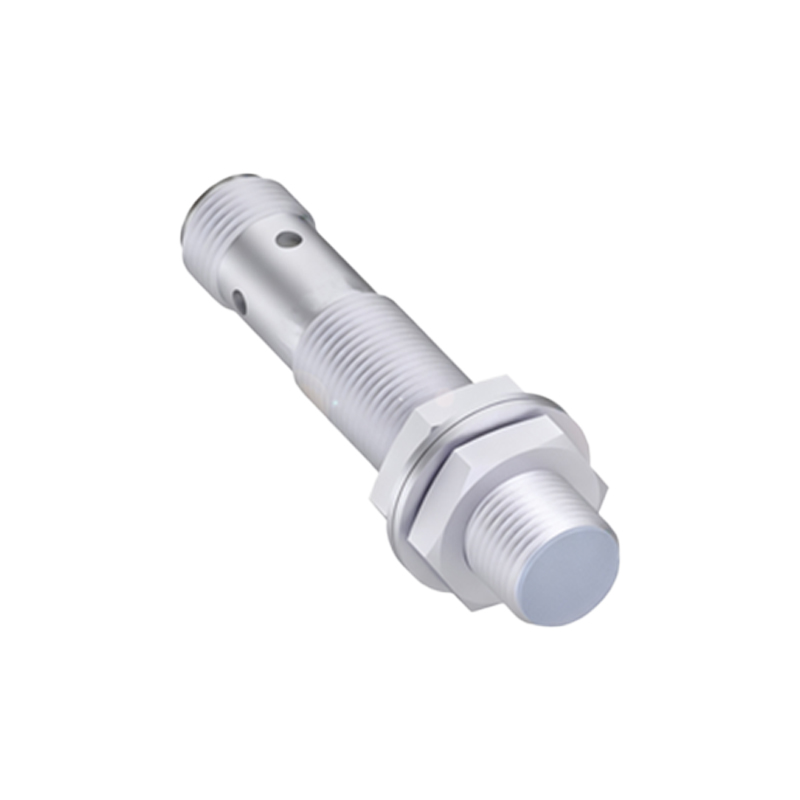
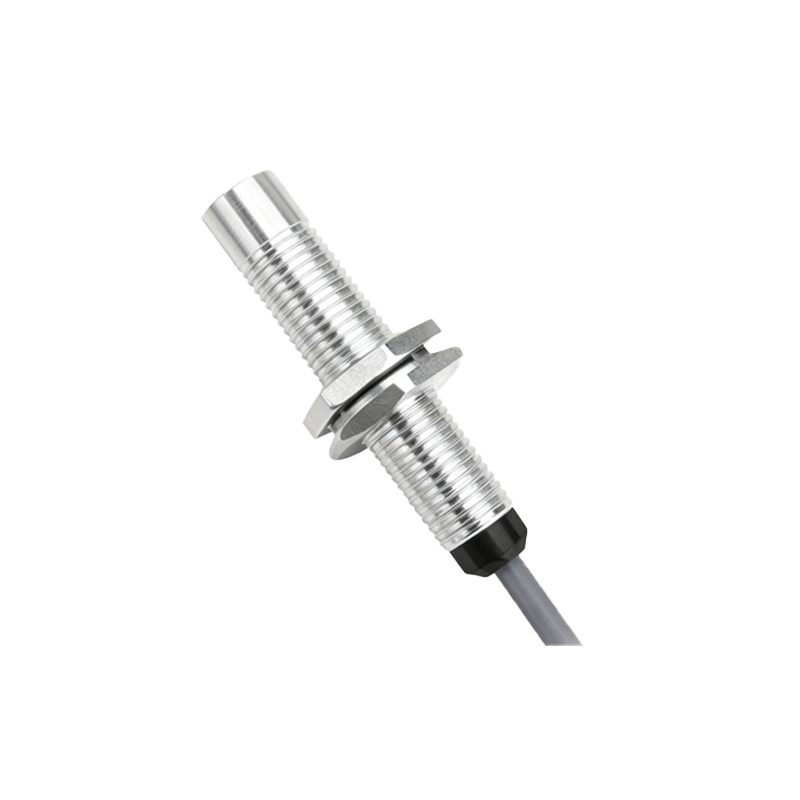
In the realm of industrial automation, the reliability and precision of sensing technology are paramount. Cylindrical proximity sensors, as a cornerstone of this domain, play a critical role in detecting the presence or absence of objects without physical contact. Their robust design, typically housed in a metallic cylindrical body, makes them indispensable for harsh environments where durability and consistent performance are non-negotiable. This article delves into the key aspects of cylindrical proximity sensor supply, addressing selection criteria, market trends, and best practices for integration.
The supply chain for cylindrical proximity sensors is vast and varied, encompassing a wide range of types including inductive, capacitive, and magnetic variants. Inductive sensors are predominantly used for detecting metallic objects, leveraging electromagnetic fields to sense ferrous and non-ferrous metals. Capacitive sensors, on the other hand, can detect both metallic and non-metallic materials by measuring changes in capacitance, making them versatile for applications involving liquids, plastics, or granular substances. Magnetic sensors utilize reed switches or Hall effect technology to detect permanent magnets, often employed in position sensing within hydraulic cylinders or safety systems.
When sourcing cylindrical proximity sensors, engineers must consider several technical specifications to ensure optimal performance. Sensing distance, often referred to as the nominal range, is a primary factor; it defines the maximum distance at which the sensor can reliably detect a standard target. Factors such as target material, size, and environmental conditions (e.g., temperature, humidity, and electromagnetic interference) can influence this range. Additionally, output types—whether NPN, PNP, analog, or IO-Link—must align with the control system's requirements. Housing material, typically stainless steel or nickel-plated brass, dictates the sensor's resistance to corrosion, chemicals, and mechanical stress, which is crucial for industries like food processing, automotive manufacturing, or outdoor applications.
The global market for cylindrical proximity sensors is driven by the escalating adoption of Industry 4.0 and smart factory initiatives. Suppliers are increasingly focusing on enhancing sensor intelligence through embedded diagnostics, self-monitoring capabilities, and connectivity features like IO-Link, which enables real-time data exchange and predictive maintenance. This evolution not only boosts operational efficiency but also reduces downtime and maintenance costs. Leading manufacturers, including Siemens, Omron, Pepperl+Fuchs, and Balluff, offer extensive portfolios with varying thread sizes (e.g., M8, M12, M18, M30) to accommodate diverse mounting needs.
However, supply chain challenges such as component shortages, logistical delays, and geopolitical factors can impact availability. To mitigate risks, it is advisable to engage with reputable distributors or direct manufacturers who provide transparent lead times, technical support, and customization options. Evaluating supplier certifications (e.g., ISO standards, UL listings) ensures compliance with industry regulations and quality benchmarks. Furthermore, considering alternative sensor technologies or form factors during the design phase can offer flexibility in sourcing without compromising system integrity.
In practice, successful integration of cylindrical proximity sensors involves meticulous installation and calibration. Proper mounting, alignment, and shielding from adjacent metal objects or electrical noise are essential to prevent false triggers or reduced sensitivity. Regular maintenance, including cleaning of sensing faces and verification of output signals, prolongs sensor lifespan and sustains accuracy. For high-volume applications, leveraging supplier partnerships for bulk procurement or just-in-time inventory models can optimize cost-efficiency and supply continuity.
As automation continues to advance, the demand for cylindrical proximity sensors is poised to grow, particularly in sectors like robotics, packaging, and renewable energy. Emerging trends include miniaturization for space-constrained setups, enhanced energy efficiency, and the integration of IoT capabilities for remote monitoring. By staying informed on technological developments and supply dynamics, engineers can make informed decisions that enhance system reliability and productivity. Ultimately, a strategic approach to sourcing these sensors—balancing performance, durability, and supply chain resilience—is key to thriving in the competitive landscape of industrial automation.