Proximity sensors are indispensable components in modern industrial automation, enabling the detection of objects without physical contact. Among the various types, PNP and NPN proximity sensors are widely used due to their compatibility with different control systems. This guide delves into the fundamentals, differences, and practical applications of these sensors to help you make informed decisions for your projects.
At their core, PNP and NPN sensors are named after the type of transistor used in their output circuitry. A PNP sensor, or "sourcing" sensor, provides a positive voltage output when activated. In contrast, an NPN sensor, or "sinking" sensor, connects the load to ground when triggered. This distinction is crucial for integrating sensors with programmable logic controllers (PLCs) or other electronic devices, as mismatching can lead to malfunction or damage.
The operation of these sensors relies on electromagnetic fields or capacitive sensing to detect metallic or non-metallic objects. Inductive proximity sensors, for instance, generate an oscillating magnetic field. When a metal object enters this field, it induces eddy currents, causing a change in oscillation that triggers the sensor's output. Capacitive sensors work similarly but can detect a broader range of materials, including liquids and plastics, by measuring changes in capacitance.
Choosing between PNP and NPN often depends on the control system's requirements. In many regions, PNP sensors are standard in Europe and Asia, while NPN sensors are prevalent in North America and Japan. This regional preference stems from historical wiring conventions and safety standards. For example, PNP sensors are typically wired to provide a positive signal to the PLC input, whereas NPN sensors sink current to ground. Understanding your system's input configuration is essential to ensure compatibility.
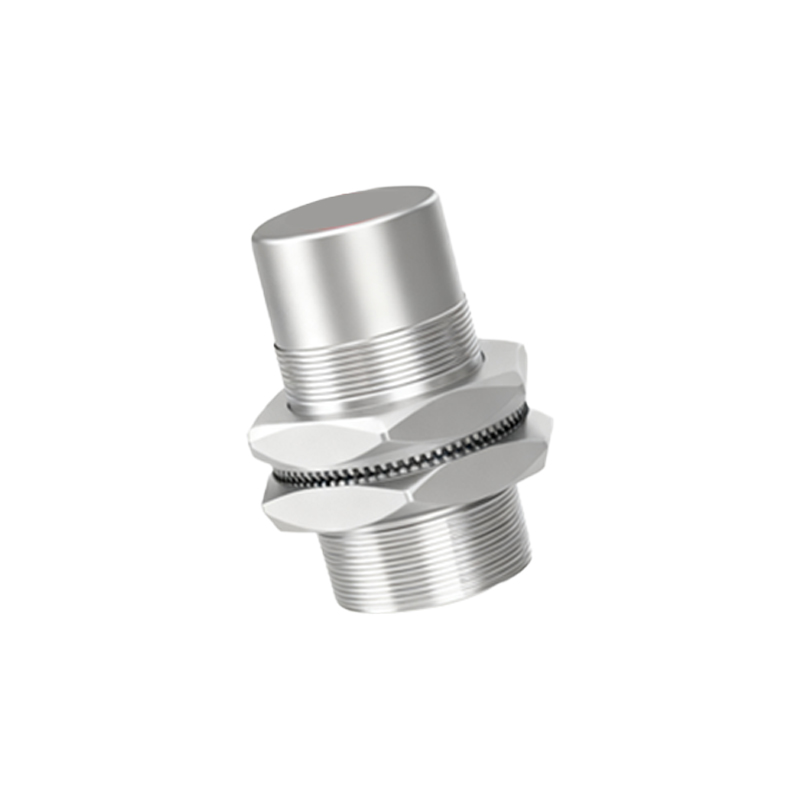
Wiring these sensors involves connecting three leads: power supply, ground, and output. For a PNP sensor, the load is placed between the output and ground. When the sensor activates, it sources current to the load, completing the circuit. For an NPN sensor, the load is positioned between the power supply and the output. Activation causes the sensor to sink current, allowing flow through the load to ground. Always refer to the sensor's datasheet for specific wiring diagrams to avoid errors.
Applications of PNP and NPN proximity sensors span numerous industries. In manufacturing, they are used for object detection on conveyor belts, position sensing in robotics, and part counting in assembly lines. Automotive plants rely on them for precise component placement, while packaging machinery utilizes sensors to monitor material levels. Their non-contact nature ensures durability and reduces maintenance, making them ideal for harsh environments with dust, moisture, or vibrations.
When selecting a sensor, consider factors such as sensing range, material compatibility, and environmental conditions. Inductive sensors offer short ranges but high precision for metals, while capacitive sensors provide longer ranges for diverse materials. Additionally, check the sensor's housing rating—IP67 or higher is recommended for wet or dusty areas. Always test the sensor in real-world conditions to verify performance before full-scale deployment.
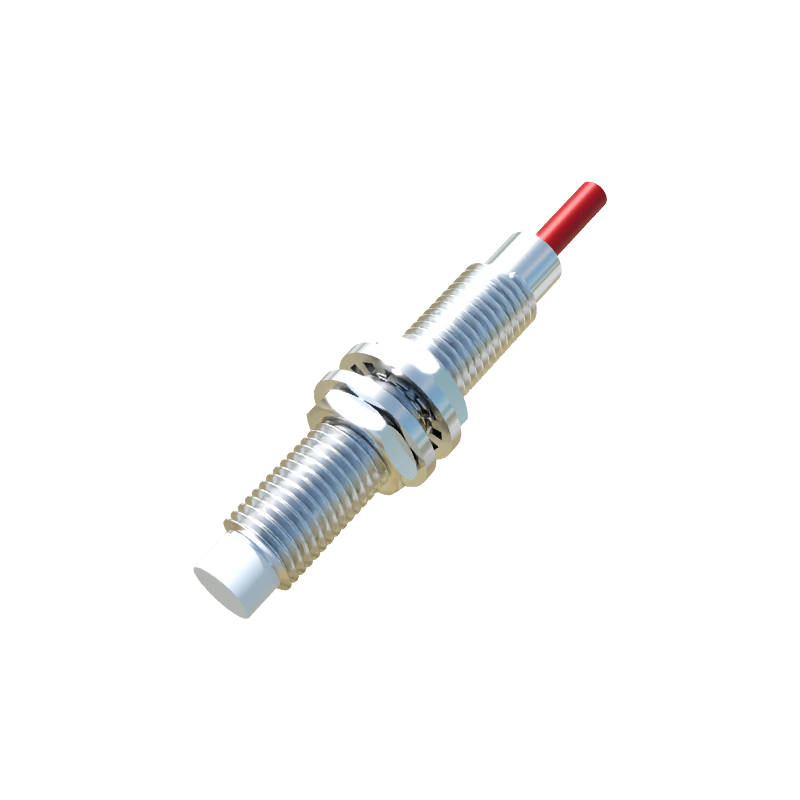
In summary, PNP and NPN proximity sensors are versatile tools that enhance automation efficiency. By grasping their electrical characteristics and applications, you can optimize system reliability and safety. Whether you're designing a new setup or upgrading existing equipment, choosing the right sensor type is a step toward seamless operation. For further guidance, consult technical manuals or industry experts to tailor solutions to your specific needs.