In the world of industrial automation and machinery, the ability to detect the presence or absence of an object without physical contact is a fundamental requirement. This is where proximity sensors come into play. Among the various types available, the inductive loop proximity switch stands out for its reliability and specific application in detecting metallic objects. This guide delves into the working principles, key components, applications, and advantages of these essential sensors.
At its core, an inductive loop proximity sensor is a non-contact electronic device. Its primary function is to detect the presence of a metallic target—typically ferrous metals like steel and iron, though some models can detect non-ferrous metals like aluminum or copper—within its sensing range. The "loop" in its name refers to the coil of wire that forms the heart of the sensor's oscillator circuit. This coil generates a high-frequency electromagnetic field that radiates from the sensor's active face.
The operating principle is elegantly simple. When the sensor is powered, an oscillator circuit creates a fluctuating magnetic field around the coil. As a metallic object enters this field, eddy currents are induced on the surface of the target. These eddy currents draw energy from the sensor's oscillator, causing a reduction in the amplitude of the oscillation. A dedicated circuit within the sensor monitors this amplitude change. Once the amplitude drops below a predetermined threshold—indicating the target is within the specified sensing distance—the sensor's output state switches. This output is typically a solid-state switch (like an NPN or PNP transistor) that can control a relay, PLC input, or other load.
Key components of a standard inductive loop proximity switch include the coil and ferrite core, the oscillator circuit, the trigger circuit that detects the amplitude change, and the output switching device. They are housed in a robust casing, often made of metal like stainless steel or nickel-plated brass, or high-grade plastics like PBT, to withstand harsh industrial environments involving dust, moisture, oils, and mechanical impacts.
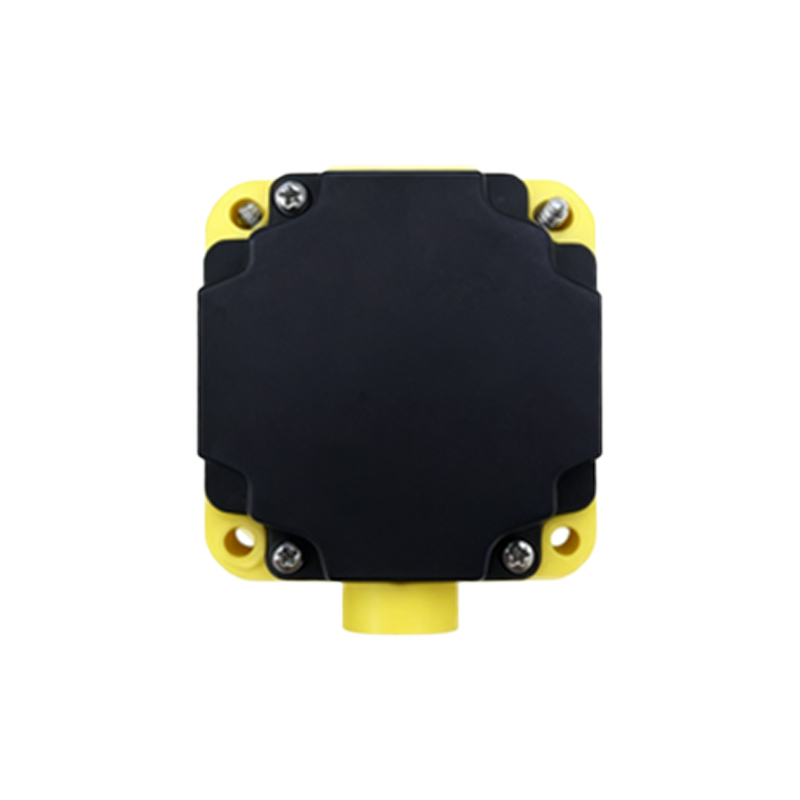
One of the defining characteristics of these sensors is their sensing range. This range is relatively short compared to other sensor types, typically from 1 to 60 millimeters, depending on the sensor's size and design. The range is also standardized; for instance, a standard 18mm diameter cylindrical sensor might have a nominal sensing distance of 5mm or 8mm. It is crucial to note that the sensing distance can vary slightly based on the target material's properties, such as its size, shape, and specific metal type. Manufacturers provide correction factors for different metals.
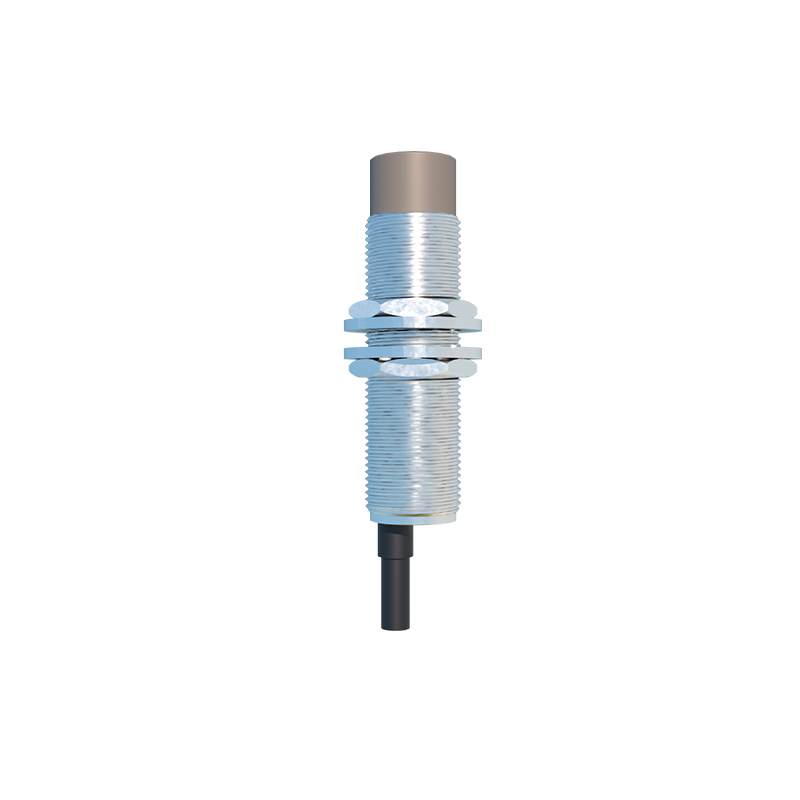
The applications for inductive loop proximity switches are vast and critical across numerous industries. In automotive manufacturing, they are used for part presence verification on assembly lines, checking if a robot has placed a component correctly. In material handling and packaging, they count metallic items on conveyors or detect the position of a metal flap or door. Within machine tools, they serve as limit switches to confirm the position of a slide or spindle, preventing collisions and ensuring precision. They are also integral to safety systems, acting as interlock sensors on machine guards to ensure a protective door is closed before operation can commence.
Several significant advantages drive their widespread adoption. Their non-contact nature means no mechanical wear, leading to an exceptionally long operational life and high reliability. They are capable of high-speed switching, easily handling thousands of operations per minute, which is essential for fast production lines. Their solid-state design makes them resistant to vibration and shock. Furthermore, they are largely unaffected by ambient conditions like dirt, dust, and non-metallic debris (unless it is conductive), making them suitable for dirty environments where optical sensors might fail. Modern versions offer various output configurations (e.g., normally open, normally closed, analog), voltage ranges (commonly 10-30V DC), and housing shapes (cylindrical, rectangular, ring-shaped) to fit diverse installation needs.
When selecting and installing an inductive loop proximity sensor, several factors must be considered. The first is the target material and the required sensing distance. The sensor must be chosen with a range that accommodates the specific application. Environmental factors like temperature extremes, potential chemical exposure, and strong electromagnetic interference from nearby motors or welding equipment should also be evaluated. Proper installation is key; sensors must be mounted securely, and care must be taken to ensure that surrounding metal (the mounting bracket or machine frame) does not interfere with the sensing field, a phenomenon known as "shielding." Many sensors are available in shielded (flush-mountable) or non-shielded versions to address this.
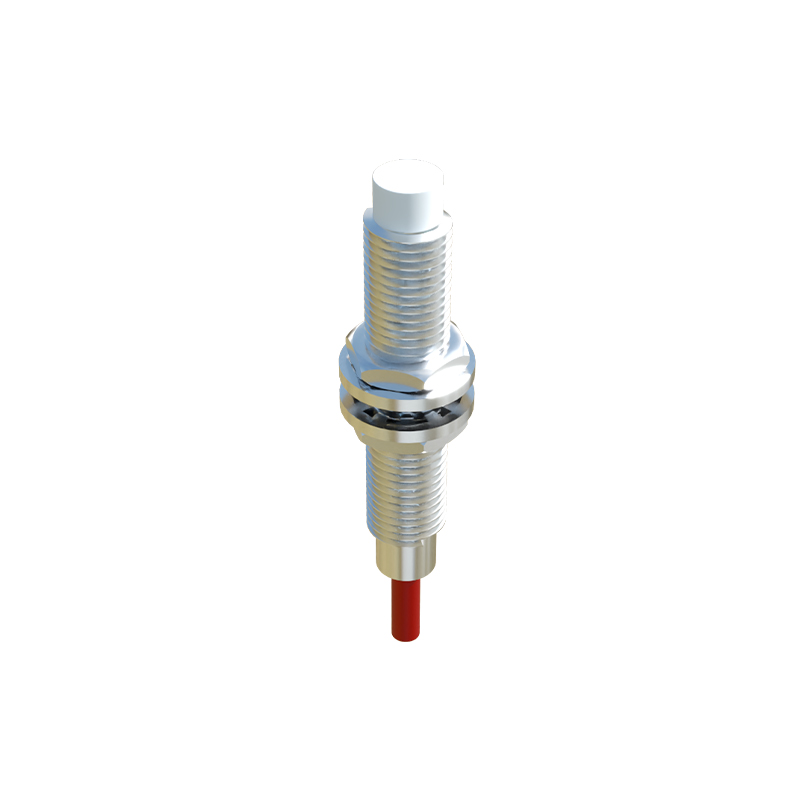
In summary, the inductive loop proximity switch is a workhorse of industrial sensing. Its robust, straightforward design based on electromagnetic induction provides a highly dependable solution for detecting metallic objects in challenging conditions. From ensuring the smooth flow of automated production to guaranteeing operational safety, these sensors play a silent yet indispensable role in the backbone