In the dynamic landscape of industrial automation, proximity sensor switches stand as critical components for detecting the presence or absence of objects without physical contact. While off-the-shelf sensors are widely available, many complex applications demand customized solutions to meet specific operational challenges. Custom proximity sensor switches are engineered to address unique environmental conditions, space constraints, material interactions, and performance requirements, ensuring reliability and efficiency in diverse industrial settings.
The need for customization often arises from harsh operating environments. Standard sensors may falter under extreme temperatures, high pressure, corrosive chemicals, or excessive vibration. Custom designs can incorporate specialized housings made from materials like stainless steel, PTFE, or ceramic to withstand such conditions. For instance, in food processing or pharmaceutical industries, sensors require smooth, crevice-free surfaces and specific ingress protection (IP) ratings to facilitate cleaning and prevent contamination. Similarly, in mining or heavy machinery, sensors must be ruggedized to resist shock, dust, and moisture, often necessitating custom sealing and reinforcement.
Another key driver for customization is the detection of non-standard materials. Proximity sensors typically work best with metals, but many applications involve plastics, glass, liquids, or composite materials. Custom sensors can be tuned with different sensing technologies—such as inductive, capacitive, ultrasonic, or magnetic—to accurately detect these substances. For example, capacitive sensors can be calibrated to sense non-metallic objects, while specialized inductive sensors might be designed for particular alloy types. This tailoring ensures precise detection, reducing false triggers and enhancing process control.
Space limitations frequently necessitate compact or uniquely shaped sensor designs. In robotics, automotive assembly, or packaging machinery, installation areas can be tight, requiring sensors with miniaturized form factors or custom mounting options. Engineers can develop sensors with extended sensing ranges, angled housings, or integrated connectors to fit into confined spaces without compromising performance. Additionally, custom electrical outputs—like analog signals, IO-Link, or specific voltage/current ratings—can be integrated to seamlessly interface with existing control systems, avoiding costly retrofits.
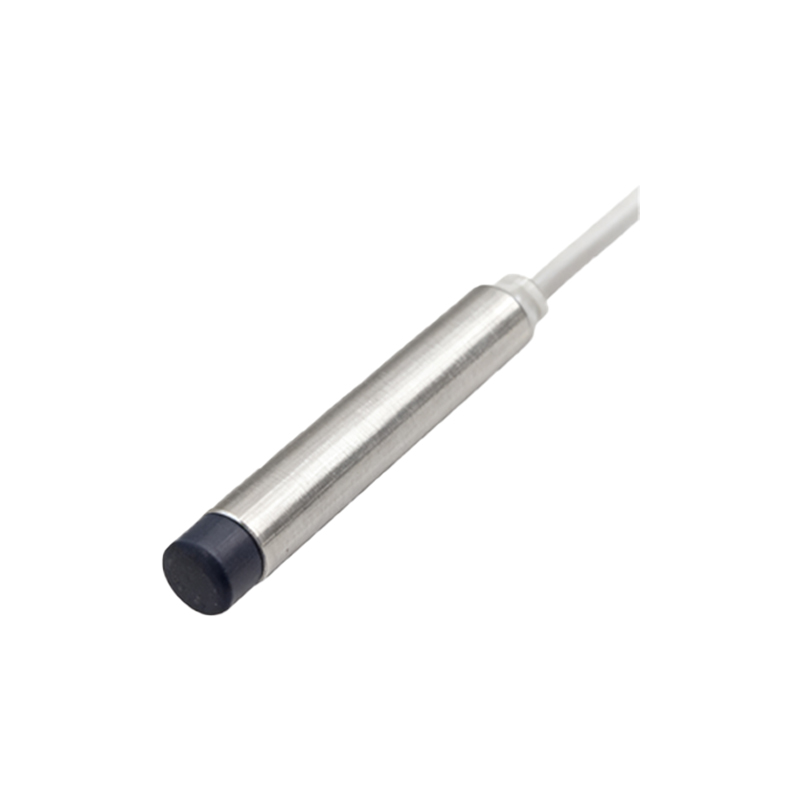
Performance parameters such as switching frequency, response time, and sensing distance often require adjustment for specialized tasks. High-speed production lines may demand sensors with millisecond-level response times and high switching frequencies to keep pace with rapid movements. Customization allows for optimizing these characteristics, potentially incorporating advanced features like temperature compensation, self-diagnostics, or adjustable hysteresis. In safety-critical applications, such as elevator systems or automated guided vehicles (AGVs), redundant sensing elements or fail-safe outputs can be built into the design to enhance reliability.
The customization process typically begins with a thorough analysis of the application requirements. Engineers collaborate with clients to assess factors like target material, environmental exposure, mechanical stresses, and electrical compatibility. Prototyping and testing follow, using simulations and real-world trials to validate performance. This iterative approach ensures that the final product meets exact specifications, often resulting in longer service life and reduced maintenance costs compared to standard alternatives.
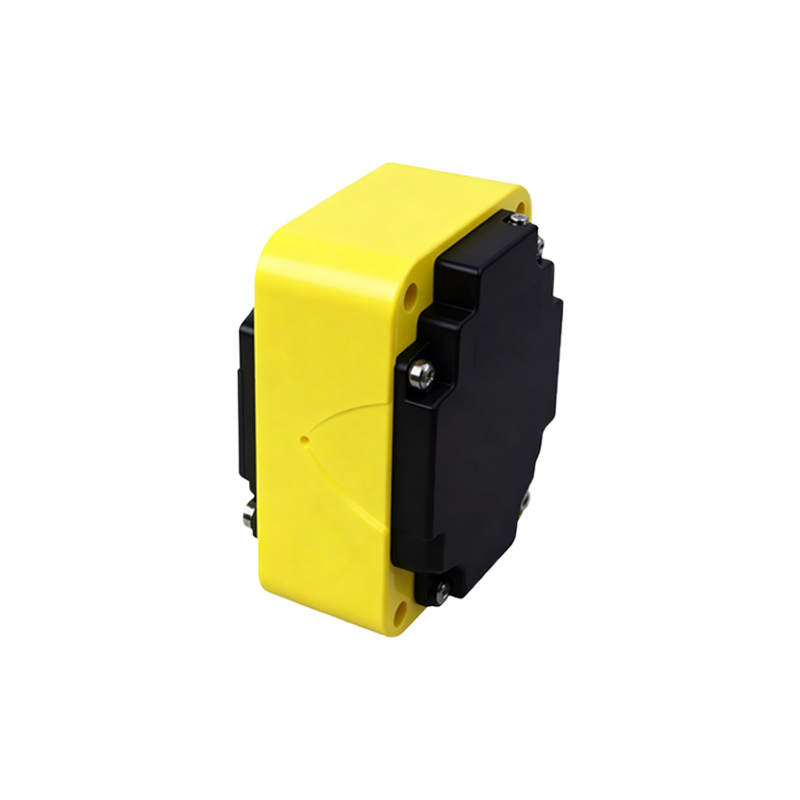
Moreover, advancements in sensor technology, including the integration of IoT capabilities, are expanding customization possibilities. Smart sensors with embedded connectivity can offer real-time data monitoring, predictive maintenance alerts, and remote configuration, tailored to specific network protocols. This digital transformation enables industries to move beyond simple detection toward comprehensive data-driven insights, optimizing overall system efficiency.
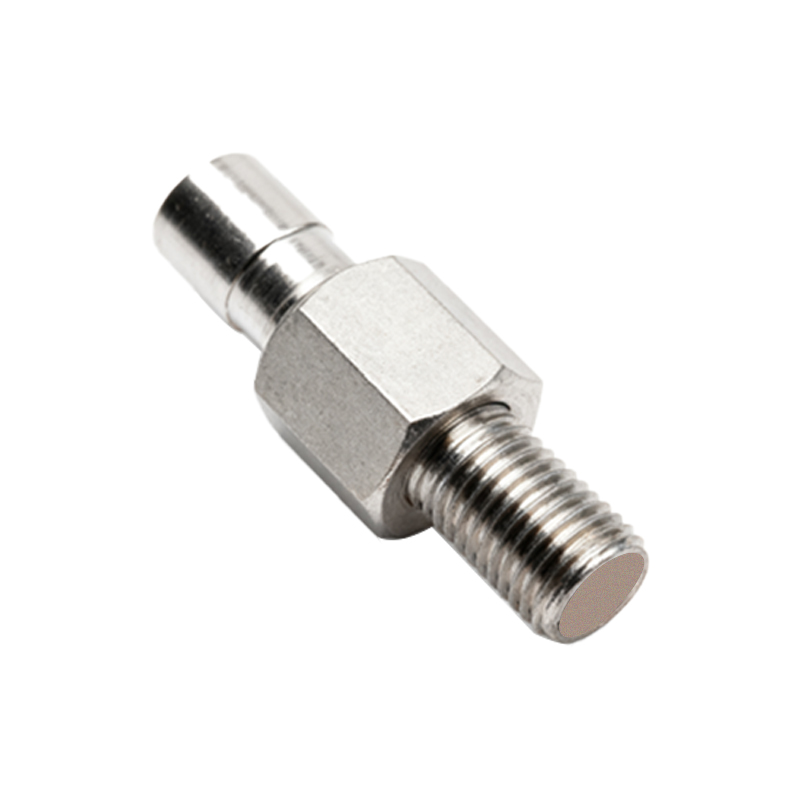
In conclusion, custom proximity sensor switches provide tailored solutions that overcome the limitations of standard products. By addressing unique environmental, material, spatial, and performance needs, they enhance operational precision and durability across sectors from manufacturing and logistics to energy and healthcare. As industries continue to evolve toward greater automation and specialization, the demand for bespoke sensor designs is poised to grow, driving innovation and efficiency in the electrical engineering realm.