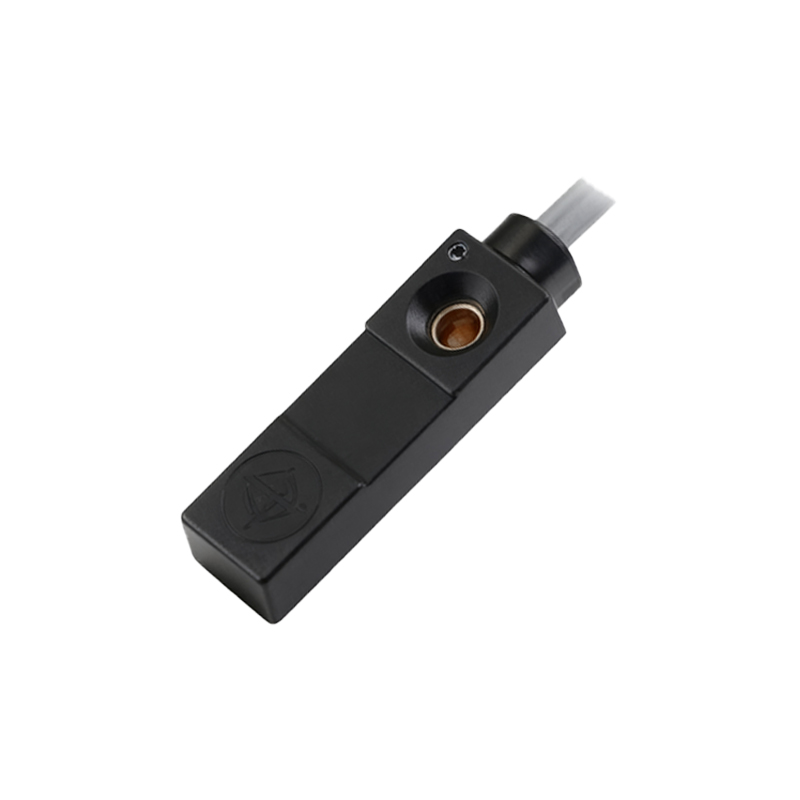
In the realm of industrial automation and control systems, the term "top-tier proximity sensor" signifies far more than just a high price tag. It represents a convergence of advanced engineering, robust performance, and reliability that is critical for demanding applications. At its core, a proximity sensor is a non-contact device designed to detect the presence or absence of an object within its sensing range without physical contact. When we prefix this with "top-tier," we refer to sensors that excel across multiple, stringent parameters, setting the benchmark for the industry.
Firstly, top-tier proximity sensors are characterized by exceptional sensing performance and accuracy. This encompasses a highly consistent and precise sensing distance, minimal hysteresis, and superior repeatability. Whether detecting ferrous metals, non-ferrous metals, or other materials, these sensors maintain their specified performance with negligible deviation. For instance, in high-speed packaging lines or precision robotic assembly, a variance of even a few micrometers can lead to defects or downtime. Top-tier sensors provide the stability needed to prevent such issues, often incorporating temperature compensation circuits to ensure performance remains unaffected by environmental fluctuations.
Secondly, durability and construction are paramount. Industrial environments are notoriously harsh, exposing equipment to factors like extreme temperatures, moisture, oil, coolants, vibration, and physical impact. A top-tier proximity sensor is engineered to withstand these conditions. This typically involves a housing made of high-grade stainless steel (like V4A/AISI 316L) or ruggedized PBT plastic, coupled with complete ingress protection ratings such as IP67, IP68, or IP69K. The sensing face is often made of a specialized, wear-resistant material that protects the internal coil and electronics. This robust build ensures a long operational life, measured in millions of cycles, thereby reducing total cost of ownership despite a higher initial investment.
Another defining feature is advanced functionality and intelligence. Modern top-tier sensors go beyond simple on/off detection. They integrate sophisticated diagnostics and communication capabilities. Features like IO-Link connectivity are becoming standard, allowing for parameter setting, real-time process data monitoring (e.g., sensing distance, temperature), and predictive maintenance alerts directly to the control system. Some models offer teach-in functions for easy adjustment of sensing ranges or switching points. This level of intelligence transforms a simple sensor into a smart node within the Industrial Internet of Things (IIoT) ecosystem, enabling greater process optimization and transparency.
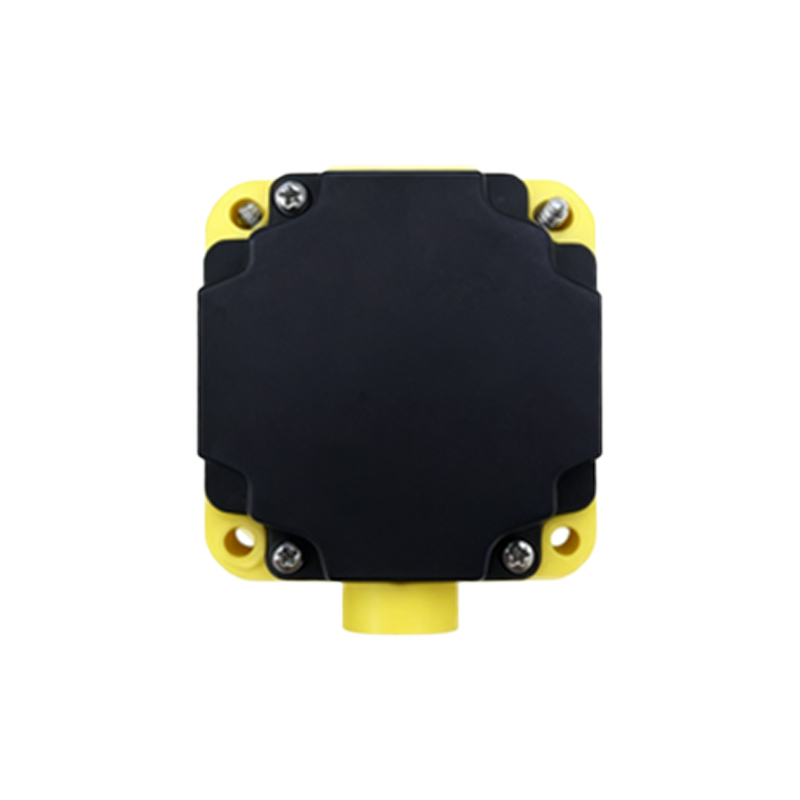
Electrical performance and compatibility are also critical. These sensors exhibit excellent noise immunity, protecting against interference from variable frequency drives (VFDs) or welding equipment. They offer a wide operating voltage range (e.g., 10-30V DC or 20-250V AC/DC) and have low residual current in the "off" state. The switching frequency is high, allowing them to detect objects in very fast-moving processes. Furthermore, top-tier models often have short-circuit, overload, and reverse polarity protection integrated into their design, safeguarding both the sensor and the connected control circuitry.
Finally, the distinction lies in consistency, certification, and support. Manufacturers of top-tier sensors implement rigorous quality control, often with 100% testing of key parameters. They hold relevant international certifications (e.g., UL, CSA, CE, ATEX for hazardous areas) that attest to their safety and performance standards. Comprehensive technical documentation, global availability, and expert application support are integral parts of the offering. Engineers can rely on these sensors for critical safety functions or in applications where unscheduled stoppages are prohibitively expensive.
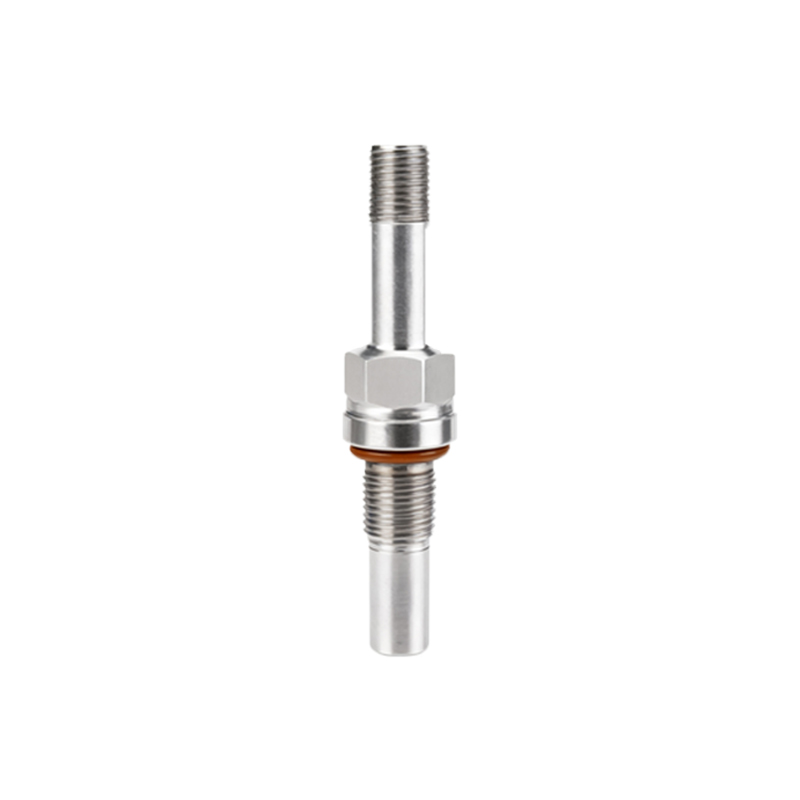
In conclusion, a top-tier proximity sensor is not merely a component; it is a strategic asset. It is defined by unparalleled accuracy, extreme environmental resilience, smart features, robust electrical characteristics, and the backing of a reputable manufacturer. For system integrators and plant engineers, selecting a top-tier sensor is an investment in system reliability, efficiency, and long-term operational stability, ultimately contributing to higher productivity and lower lifecycle costs in complex industrial automation landscapes.