In the rapidly evolving landscape of new energy technologies, proximity sensors have emerged as critical components, driving efficiency, safety, and innovation across various sectors. As an electrical engineer with extensive experience in this field, I aim to explore the transformative role of these sensors in renewable energy systems, electric vehicles (EVs), and smart grids, highlighting their technical advancements and practical benefits.
Proximity sensors, which detect the presence or absence of objects without physical contact, are integral to modern energy solutions. In renewable energy applications, such as solar and wind power, these sensors enhance performance by monitoring equipment status and environmental conditions. For instance, in solar panel arrays, inductive proximity sensors are used to track sun position and adjust panel angles for optimal energy capture. Similarly, in wind turbines, capacitive sensors detect blade alignment and vibration, preventing mechanical failures and maximizing output. The precision offered by these sensors reduces downtime and maintenance costs, contributing to the overall reliability of renewable energy systems.
The electric vehicle industry has witnessed a surge in demand for advanced proximity sensors, particularly in battery management and safety features. Hall effect sensors, known for their accuracy in measuring magnetic fields, are employed to monitor battery temperature and charge levels, ensuring optimal performance and longevity. Additionally, ultrasonic proximity sensors play a vital role in autonomous driving systems by detecting obstacles and enabling features like parking assistance and collision avoidance. These sensors not only improve vehicle safety but also enhance user experience, making EVs more accessible and efficient. As the global shift toward electrification accelerates, the integration of high-performance proximity sensors will continue to be a key driver of innovation.
Smart grids represent another frontier where proximity sensors are making significant strides. In these intelligent energy networks, sensors facilitate real-time monitoring and control of power distribution, reducing energy losses and improving grid stability. For example, inductive sensors detect faults in transmission lines, while photoelectric sensors monitor substation equipment for anomalies. By enabling predictive maintenance and automated responses, these sensors help utilities manage demand fluctuations and integrate renewable sources seamlessly. This contributes to a more resilient and sustainable energy infrastructure, aligning with global goals for carbon reduction.
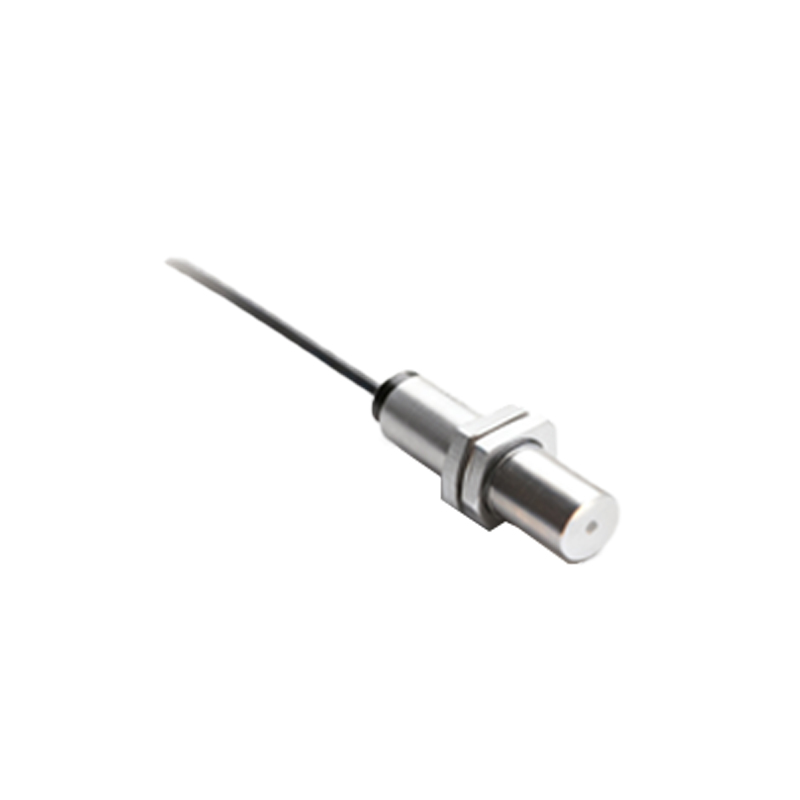
Technological advancements in proximity sensors have further expanded their capabilities. The development of IoT-enabled sensors allows for wireless connectivity and data analytics, enabling remote monitoring and smarter decision-making. Materials science innovations, such as the use of graphene and other nanomaterials, have led to sensors with higher sensitivity and durability, even in harsh environments like offshore wind farms or extreme temperatures. Moreover, the miniaturization of sensor components has allowed for more compact designs, reducing space requirements and installation costs. These improvements are crucial for scaling new energy solutions and meeting the growing demand for clean power.
Despite these benefits, challenges remain in the widespread adoption of proximity sensors in the new energy sector. Issues such as electromagnetic interference, calibration accuracy, and cost-effectiveness must be addressed through ongoing research and collaboration. Standardization of sensor protocols and interoperability with existing systems are also essential for seamless integration. As an industry professional, I advocate for continued investment in R&D to overcome these hurdles, ensuring that proximity sensors can fully support the transition to a sustainable energy future.
In conclusion, proximity sensors are indispensable tools in the new energy revolution, offering enhanced efficiency, safety, and adaptability. From renewable energy to electric mobility and smart grids, their applications are diverse and impactful. By staying abreast of technological trends and addressing implementation challenges, we can harness the full potential of these sensors to build a cleaner, more resilient world. The future of energy depends on such innovations, and proximity sensors are poised to play a central role in shaping it.