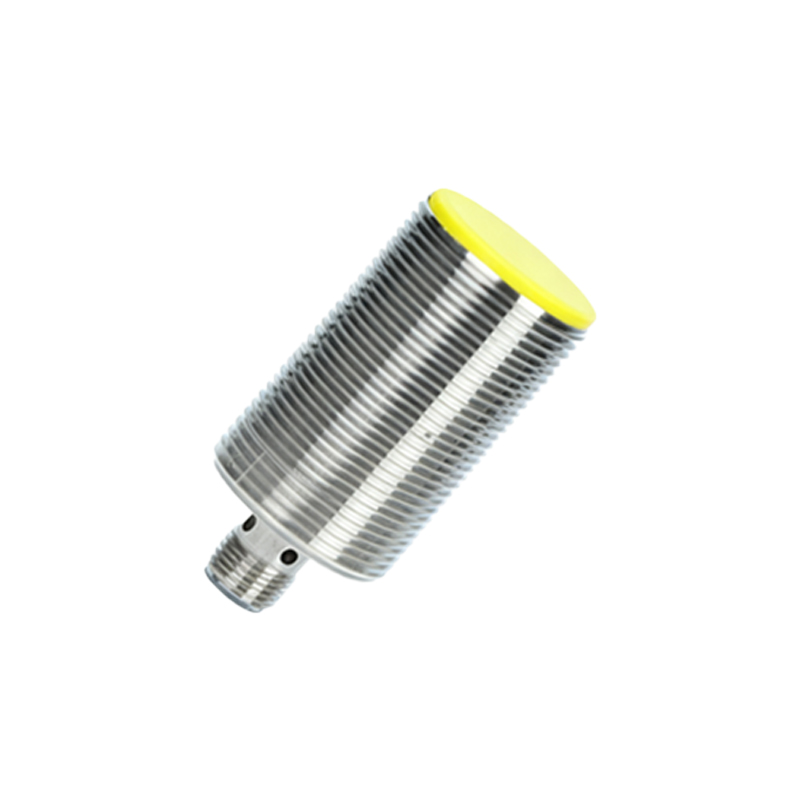
Proximity sensors are critical components in modern metro systems, ensuring safety, efficiency, and reliability in urban rail transit. These sensors detect the presence or absence of objects without physical contact, using various technologies such as inductive, capacitive, ultrasonic, and photoelectric methods. In metro applications, proximity sensors play a vital role in train control, door operation, obstacle detection, and maintenance monitoring.
Inductive proximity sensors are commonly used in metro systems due to their robustness and ability to detect metallic objects. They operate by generating an electromagnetic field and sensing changes caused by metallic targets. For instance, in train positioning systems, inductive sensors help determine the exact location of trains along the track, enabling precise stopping at platforms and preventing collisions. These sensors are often installed on trackside equipment or train undercarriages, providing real-time data to the central control system.
Capacitive proximity sensors, on the other hand, can detect both metallic and non-metallic materials, making them suitable for applications like liquid level monitoring in cooling systems or detecting passengers near doors. In metro environments, capacitive sensors ensure that doors do not close when passengers are in the doorway, enhancing passenger safety. They work by measuring changes in capacitance when an object enters their sensing range, triggering alerts or actions in the control circuitry.
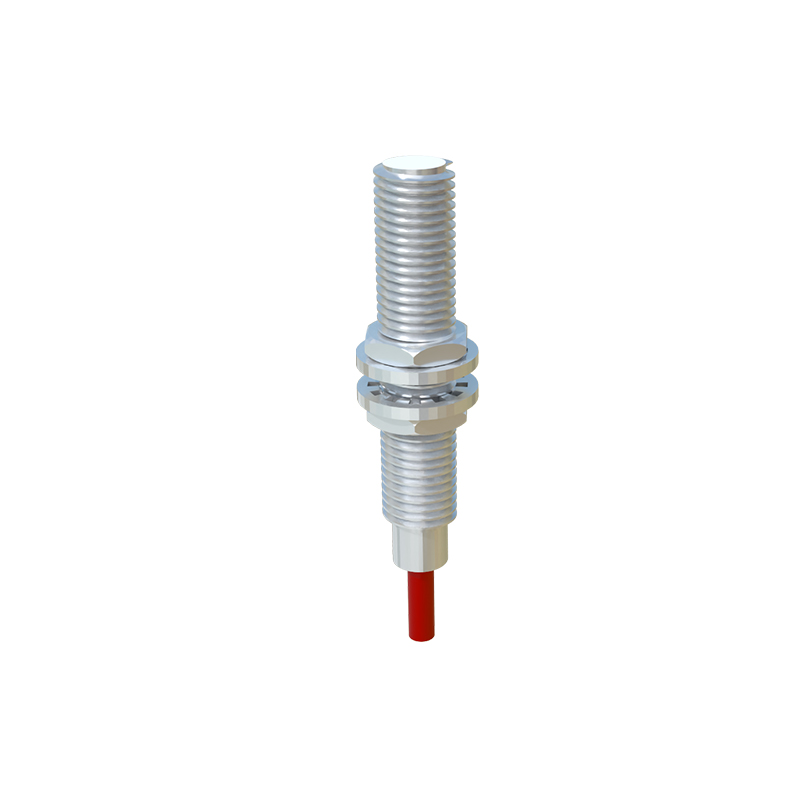
Ultrasonic proximity sensors use sound waves to detect objects and are ideal for applications requiring longer sensing distances or harsh conditions. In metro maintenance, ultrasonic sensors monitor the wear and tear of components like wheels or brakes by measuring distances and detecting anomalies. They are also used in automated cleaning systems or for detecting obstacles on tracks, contributing to operational safety. Photoelectric sensors, utilizing light beams, are employed for precise detection in areas like ticketing gates or baggage handling, where fast response times are essential.
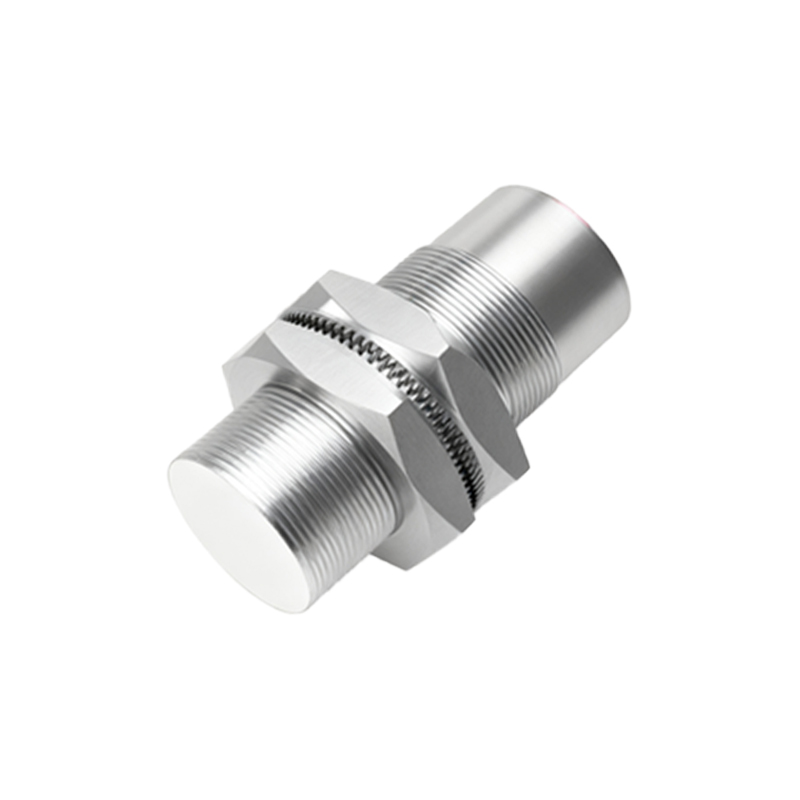
The integration of proximity sensors with metro control systems, such as Communication-Based Train Control (CBTC), has revolutionized rail operations. By providing continuous data on train speed, position, and surrounding objects, these sensors enable automated driving, reduce human error, and optimize traffic flow. For example, in CBTC systems, proximity sensors help maintain safe distances between trains, allowing for higher frequency services during peak hours without compromising safety.
Maintenance and calibration of proximity sensors are crucial for sustained performance. Environmental factors like dust, moisture, and temperature fluctuations in metro tunnels can affect sensor accuracy. Regular inspections, including sensitivity checks and cleaning, ensure reliable operation. Advanced sensors now feature self-diagnostic capabilities, alerting technicians to potential failures before they impact service. Additionally, the adoption of IoT (Internet of Things) technology allows for remote monitoring and predictive maintenance, reducing downtime and costs.
In conclusion, proximity sensors are indispensable in metro systems, supporting everything from basic safety functions to advanced automation. As urban rail networks expand and evolve, innovations in sensor technology—such as miniaturization, enhanced durability, and AI integration—will further improve efficiency and passenger experience. Engineers and operators must stay abreast of these developments to leverage the full potential of proximity sensing in metro applications.