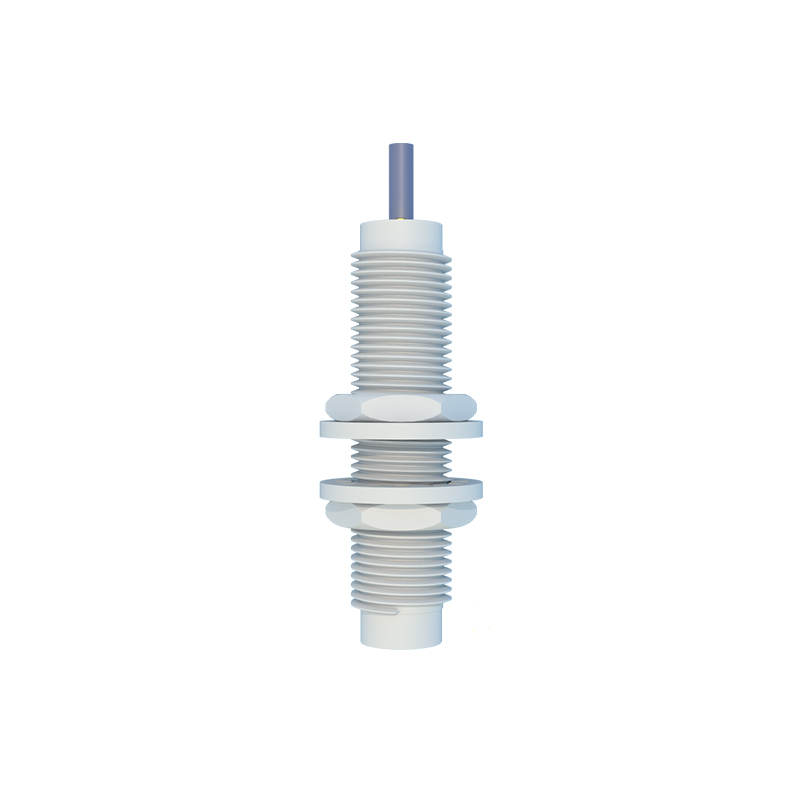
In modern elevator systems, the integration of proximity sensors has revolutionized signal detection, offering unparalleled precision and reliability. These non-contact devices play a critical role in monitoring elevator position, door operations, and safety mechanisms, ensuring smooth and secure vertical transportation. As an electrical engineer specializing in industrial automation, I will delve into the technical aspects, applications, and benefits of proximity sensors in elevator signal detection, adhering to industry standards and best practices.
Proximity sensors, including inductive, capacitive, and magnetic types, are widely employed in elevators due to their ability to detect objects without physical contact. Inductive sensors, for instance, are ideal for metal components such as elevator cars and counterweights. They generate an electromagnetic field to sense metallic targets, providing accurate position feedback for floor-level alignment. This eliminates mechanical wear and reduces maintenance costs compared to traditional limit switches. In elevator control systems, these sensors interface with programmable logic controllers (PLCs) to relay real-time data, enabling precise stopping and starting sequences.
One key application is in elevator door safety. Proximity sensors monitor door openings and closings, detecting obstructions to prevent accidents. For example, capacitive sensors can sense non-metallic objects like human limbs or luggage, triggering an immediate halt if an obstacle is present. This enhances passenger safety and complies with international regulations such as EN 81-20/50. Additionally, magnetic sensors are used in shaft encoding systems to track elevator movement, providing feedback for speed control and emergency braking. By integrating these sensors with IoT platforms, maintenance teams can access predictive analytics, identifying potential faults before they escalate.
The advantages of proximity sensors extend beyond safety. They improve energy efficiency by optimizing elevator travel patterns based on real-time demand. Sensors detect passenger presence in lobbies and cars, adjusting operations to reduce idle time. Moreover, their robust design withstands harsh environments like elevator shafts, where dust, vibration, and temperature fluctuations are common. With a typical response time of milliseconds, these sensors ensure rapid signal processing, minimizing delays in high-traffic buildings.
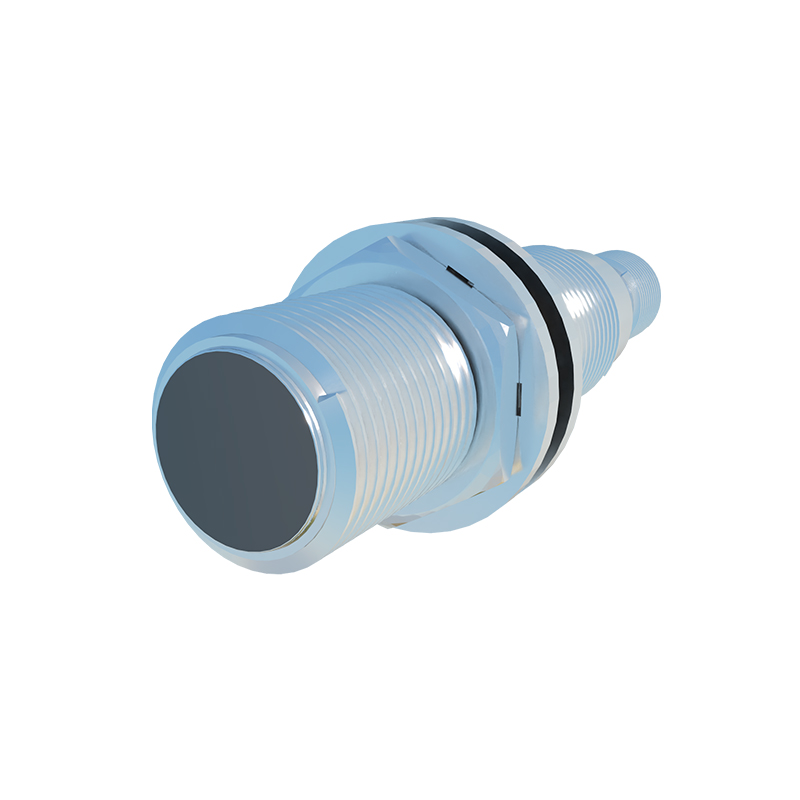
However, implementation requires careful consideration. Engineers must select sensors with appropriate sensing ranges and materials to avoid interference from adjacent metal structures. Shielding and proper installation are crucial to prevent false triggers. Regular calibration and testing, as per manufacturer guidelines, maintain accuracy over time. As technology advances, innovations like ultrasonic and laser-based proximity sensors are emerging, offering even higher resolution for complex elevator configurations.
In conclusion, proximity sensors are indispensable in modern elevator signal detection, driving advancements in safety, efficiency, and smart building integration. By leveraging their non-contact operation and compatibility with digital systems, engineers can design elevators that meet evolving urban demands. For industry professionals, staying updated on sensor technologies and standards is essential to optimize performance and ensure reliable vertical transportation.