In the realm of industrial automation, smart devices, and security systems, sensors act as the fundamental sensory organs, enabling machines to perceive and interact with their environment. Among the diverse array of sensing technologies, proximity sensors and flood sensors stand out for their distinct yet crucial roles. While their names might suggest different domains of application, both are integral to creating responsive, efficient, and safe automated systems. This article delves into the principles, types, applications, and interplay of these two essential sensor technologies.
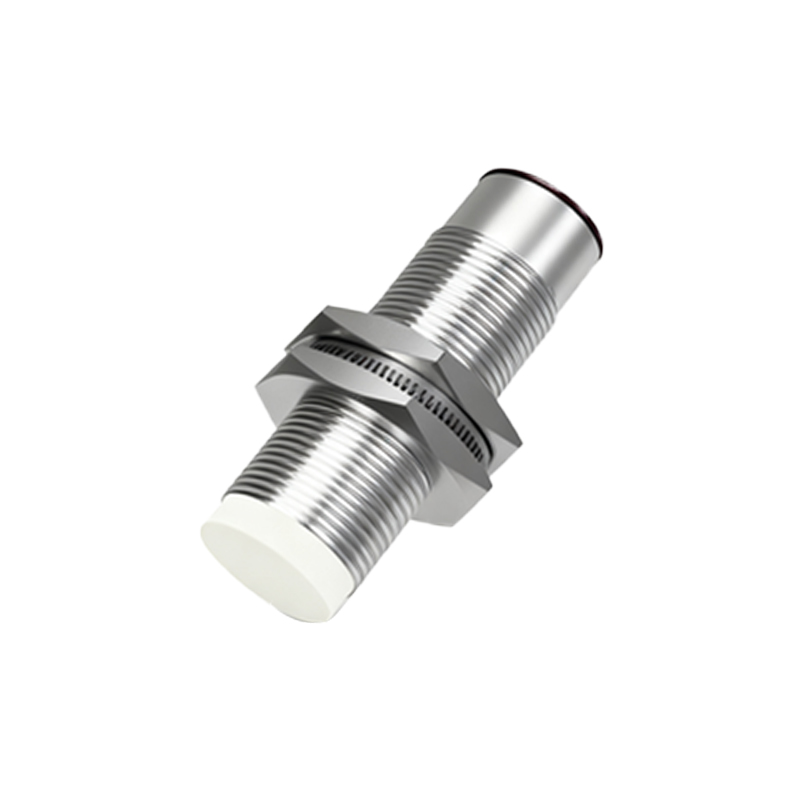
Proximity sensors are non-contact devices designed to detect the presence or absence of an object within a specified range without any physical contact. Their operation is based on various physical principles, leading to several common types. Inductive proximity sensors generate an electromagnetic field to detect metallic objects, making them ideal for harsh industrial environments like assembly lines and metal machining. Capacitive sensors, on the other hand, can detect both metallic and non-metallic materials (like plastic, wood, or liquids) by measuring changes in capacitance, useful in material handling and level detection. Ultrasonic sensors use sound waves to measure distance to an object, excelling in applications requiring precise distance measurement or detection of transparent or irregularly shaped objects. Finally, photoelectric sensors employ a light beam (often infrared) and are versatile for detecting objects of various materials, colors, and sizes over longer ranges.
The applications of proximity sensors are vast. In manufacturing, they ensure precise positioning of components, count objects on conveyors, and control robotic arm movements. In consumer electronics, they deactivate smartphone touchscreens during calls to prevent accidental touches. In automotive systems, they are the backbone of parking assistance and blind-spot detection features. Their primary value lies in enhancing automation precision, improving safety by preventing collisions, and increasing operational efficiency.

Flood sensors, also known as water leak detectors, serve a more specialized but equally critical purpose: detecting the unwanted presence of water or other liquids. Their core function is to trigger an alert or initiate an action to prevent or mitigate water damage. The most common type uses a pair of exposed probes. When water bridges the gap between these probes, it completes an electrical circuit, signaling a detection event. More advanced models may use moisture-absorbing materials that expand upon contact with water to activate a mechanical switch or employ optical principles.
The deployment of flood sensors is primarily focused on risk mitigation and asset protection. They are strategically placed in areas prone to leaks or flooding, such as near water heaters, washing machines, under sinks, in basements, or near sump pumps. In residential settings, a simple audible alarm can alert homeowners to a leak. In commercial, industrial, or data center environments, these sensors are typically integrated into building management systems (BMS) or Internet of Things (IoT) platforms. Upon detection, they can send instant notifications via SMS or email, automatically shut off the main water supply via a connected valve, and activate pumps or alarms, thereby preventing catastrophic damage, mold growth, and data loss.
While proximity and flood sensors address different physical phenomena—object presence versus liquid presence—their integration represents the power of modern sensor networks. Consider a smart factory warehouse. Proximity sensors on Automated Guided Vehicles (AGVs) ensure safe navigation and precise loading. Simultaneously, flood sensors installed on the warehouse floor or near piping systems guard against water damage from leaks or sprinkler malfunctions. Data from both sensor types can feed into a central monitoring system, providing a holistic view of operational health and safety.
In smart home ecosystems, this convergence is even more pronounced. A comprehensive home automation system might use proximity sensors for security (detecting window or door opening), lighting control (turning lights on as you approach), and appliance interaction. Flood sensors under the refrigerator or in the bathroom provide an additional layer of protection. Through a unified hub, a single event—like a detected water leak—could not only alert the homeowner but also use proximity data to ensure no occupant is in the affected area before triggering an automatic water shut-off.
The evolution of both technologies is heavily influenced by the IoT and Industry 4.0 trends. Modern proximity and flood sensors are becoming smarter, smaller, and more connected. They feature lower power consumption for battery-operated devices, wireless communication protocols like Zigbee, Z-Wave, or LoRaWAN for easy installation, and enhanced data processing capabilities. The future points towards sensors with embedded diagnostics, predictive maintenance features, and greater interoperability within larger digital ecosystems.
In conclusion, proximity sensors and flood sensors are specialized tools solving specific detection challenges. Proximity sensors are the workhorses of motion, position, and automation control, driving efficiency. Flood sensors are the vigilant guardians against liquid-related disasters, preserving property and continuity. Together, as part of an interconnected sensor network, they form a robust foundation for intelligent systems that are not only automated but also resilient, safe, and