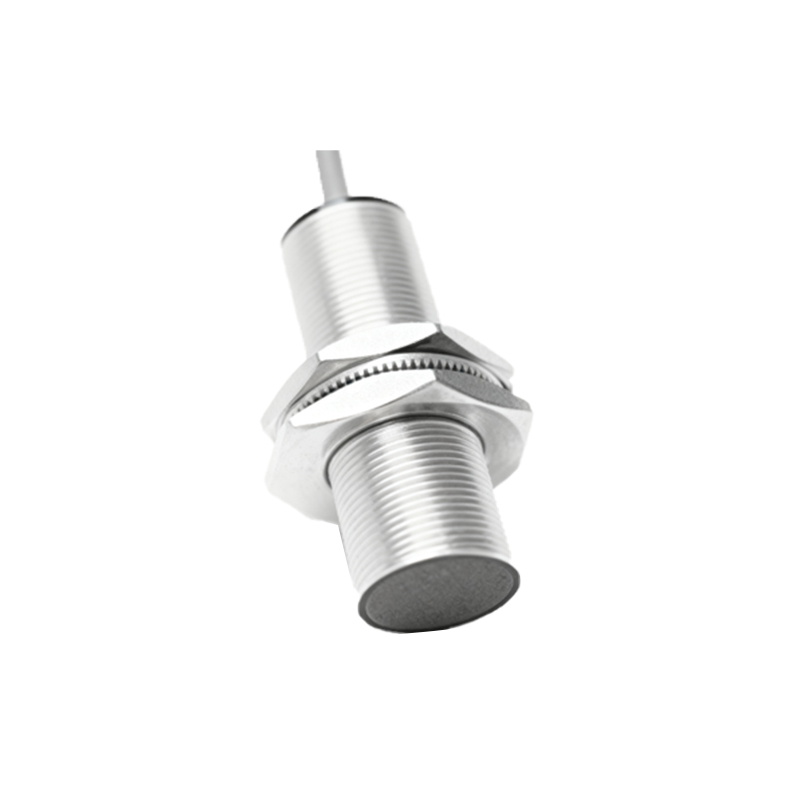
Cylindrical proximity sensors are indispensable components in modern industrial automation, offering reliable non-contact detection of metallic and non-metallic objects. These sensors, characterized by their tubular housing, are widely used in manufacturing, packaging, robotics, and automotive applications due to their durability, precision, and ease of installation. This guide delves into the working principles, types, selection criteria, and practical applications of cylindrical proximity sensors, supported by illustrative images to enhance understanding.
Cylindrical proximity sensors operate primarily on two technologies: inductive and capacitive. Inductive sensors detect ferrous and non-ferrous metals by generating an electromagnetic field. When a metal object enters this field, it causes a change in oscillation, triggering the sensor output. These sensors are ideal for harsh environments, as they are resistant to dust, moisture, and vibrations. Capacitive sensors, on the other hand, can detect both metallic and non-metallic materials, including liquids, plastics, and wood, by measuring changes in capacitance. This versatility makes them suitable for diverse industrial settings, such as level detection in tanks or material handling.
The design of cylindrical proximity sensors typically features a threaded metal or polymer body, allowing for easy mounting in standard holes. Common diameters range from M8 to M30, with varying sensing distances from a few millimeters to several centimeters. Key specifications to consider include sensing range, output type (e.g., NPN, PNP, or analog), and environmental ratings like IP67 for water and dust resistance. For instance, an M18 inductive sensor might offer a 5mm sensing range with a PNP output, suitable for detecting machine parts on an assembly line.
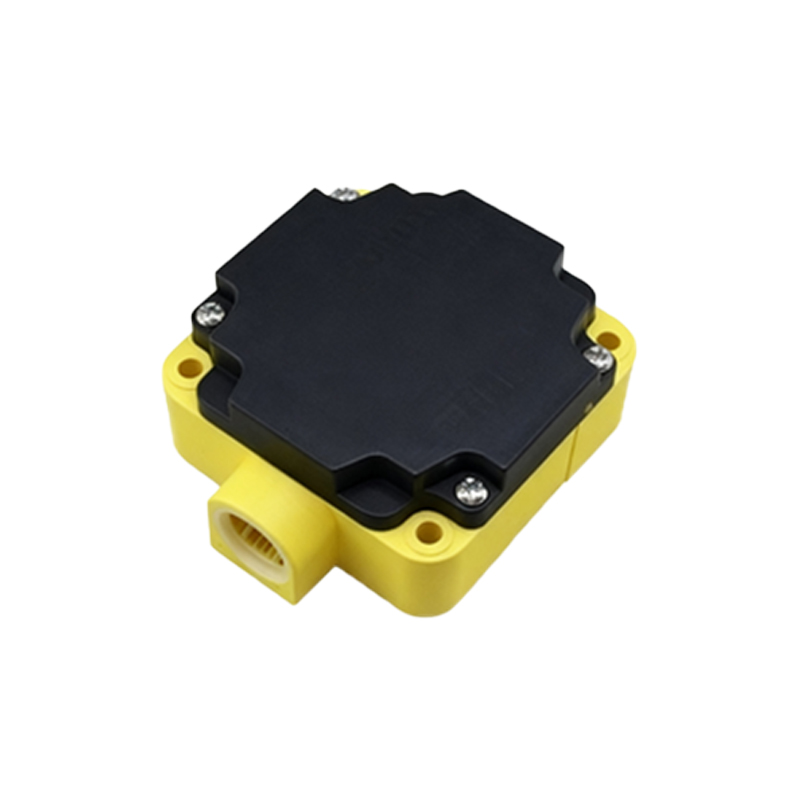
In practice, these sensors enhance efficiency and safety. In automotive manufacturing, they monitor the position of robotic arms, ensuring precise welding or painting. In packaging lines, they detect product presence to control conveyor belts, reducing downtime. Images of cylindrical sensors in action—such as a sensor mounted on a machine frame detecting passing metal components—highlight their compact integration and reliability. Maintenance is minimal, but regular checks for alignment and contamination are recommended to sustain performance.
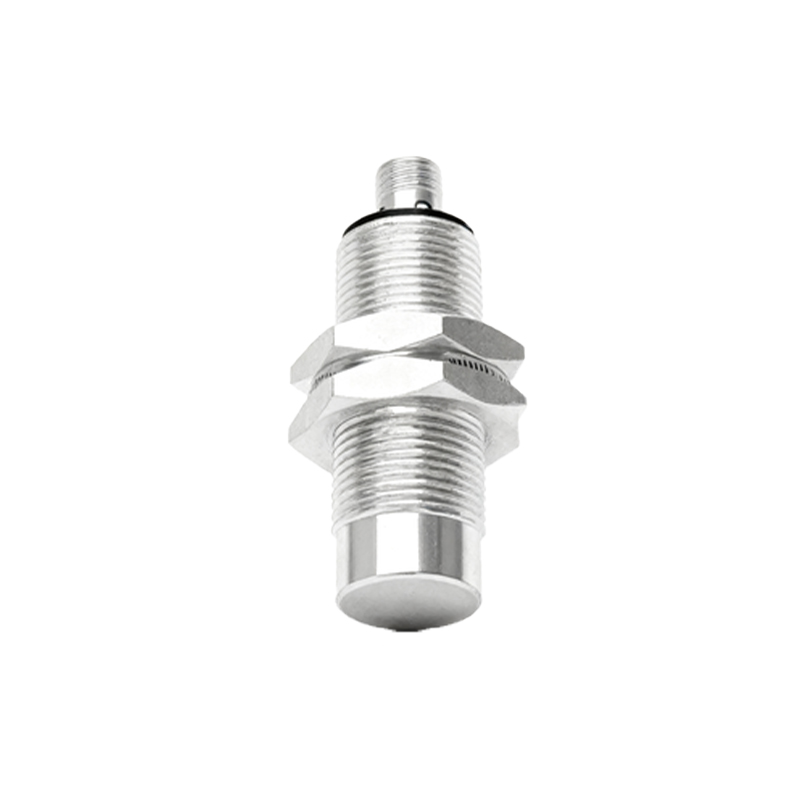
When selecting a cylindrical proximity sensor, factors like target material, operating temperature, and electrical requirements must be evaluated. For high-speed applications, fast response times (e.g., under 1ms) are crucial. Additionally, shielded models minimize interference from adjacent metal objects, while unshielded versions offer extended sensing ranges. Always refer to datasheets and consult with suppliers to match the sensor to specific needs.
In summary, cylindrical proximity sensors are vital for automation, offering robust and accurate detection. By understanding their features and applications through visual examples, engineers can optimize their use in various industries, driving productivity and innovation.