In the realm of industrial automation, proximity switch sensors are indispensable components for detecting the presence or absence of objects without physical contact. Among various wiring configurations, the 2-wire proximity switch stands out for its simplicity and cost-effectiveness, making it a popular choice in many applications. This article delves into the working principles, advantages, installation considerations, and common use cases of 2-wire proximity sensors, providing insights for engineers and technicians in the electrical and automation fields.
A 2-wire proximity sensor operates by connecting directly to the power supply and load in series, unlike 3-wire or 4-wire versions that require separate power and signal lines. Typically, these sensors function with alternating current (AC) or direct current (DC) power sources, with AC being more common due to its widespread availability in industrial settings. The sensor modulates current flow based on target detection: when an object enters its sensing range, the internal switching mechanism changes the circuit state, allowing current to pass through the load. This design eliminates the need for additional wiring, reducing complexity and installation time.
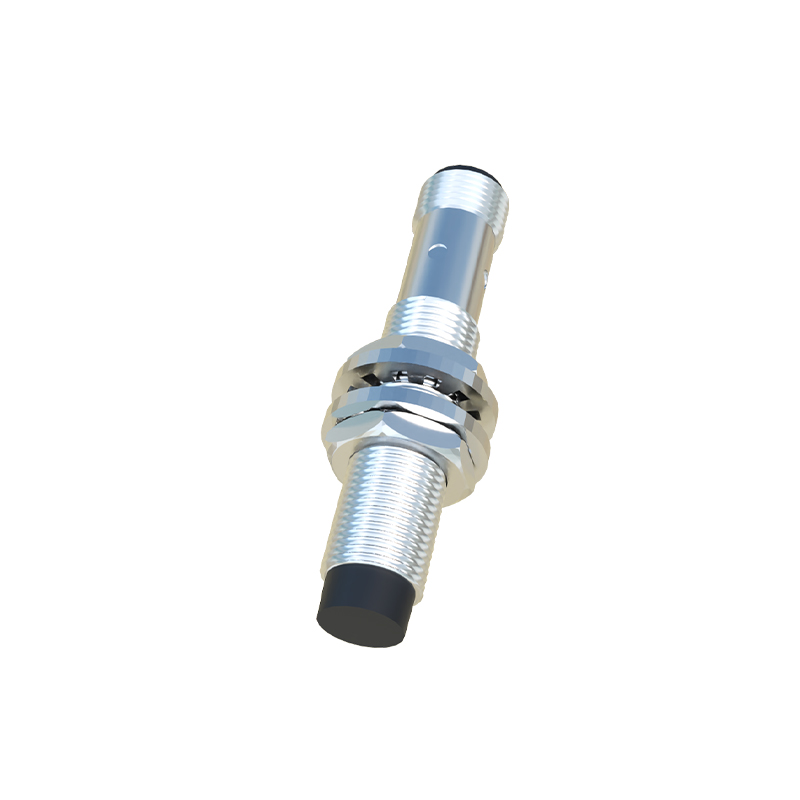
One of the key advantages of 2-wire proximity sensors is their straightforward integration into existing systems. They can replace mechanical switches directly, offering enhanced durability and reliability since they lack moving parts that wear out over time. Additionally, their compact size and lower wiring costs make them ideal for space-constrained environments or large-scale installations where budget efficiency is crucial. However, engineers must consider certain limitations, such as voltage drop across the sensor and leakage current when in the "off" state, which can affect sensitive loads. Proper selection based on load requirements and power supply specifications is essential to avoid malfunctions.
Installation of 2-wire proximity sensors requires attention to electrical compatibility and environmental factors. Ensure the power supply voltage matches the sensor's rating, typically ranging from 20 to 250V AC or 10 to 30V DC. Mount the sensor securely, avoiding metal surfaces that could interfere with its electromagnetic field, and maintain the recommended sensing distance to prevent false triggers. Regular maintenance, including cleaning and testing, helps sustain optimal performance in harsh conditions like dust, moisture, or temperature extremes.
Common applications include conveyor systems, where sensors detect items for sorting or counting; machine safety interlocks to prevent operator injuries; and liquid level control in tanks. In automotive manufacturing, for instance, 2-wire proximity sensors monitor part positioning on assembly lines, while in packaging industries, they ensure precise material handling. Their versatility extends to consumer electronics and building automation, highlighting their broad utility.
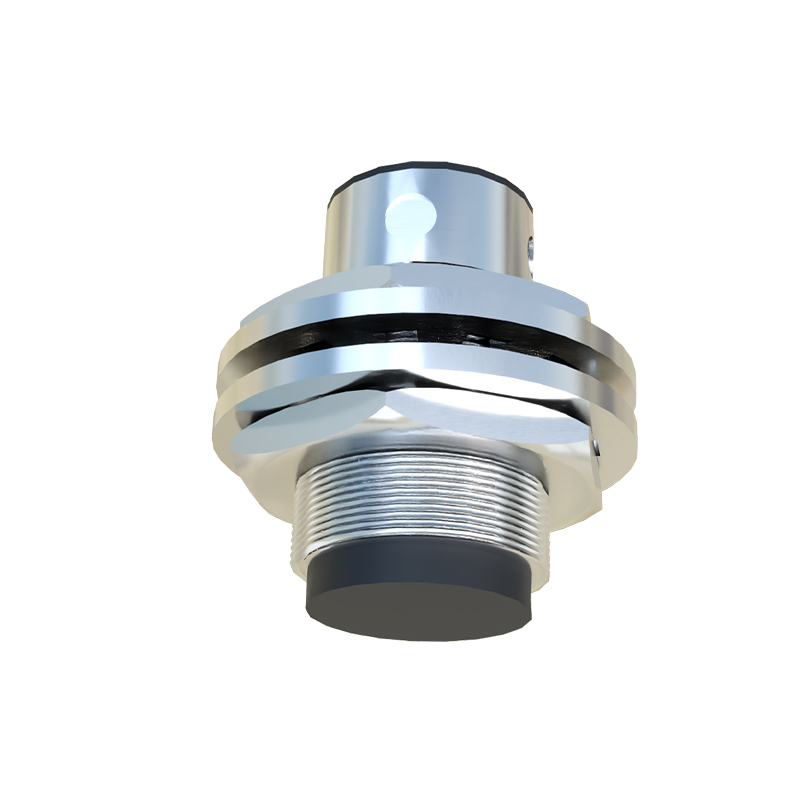
In summary, 2-wire proximity switch sensors offer a balance of efficiency and practicality for industrial automation. By understanding their operational nuances and adhering to best practices in selection and installation, professionals can leverage these devices to enhance system reliability and reduce operational costs. As technology advances, innovations in sensor design continue to expand their capabilities, solidifying their role in modern electrical engineering.