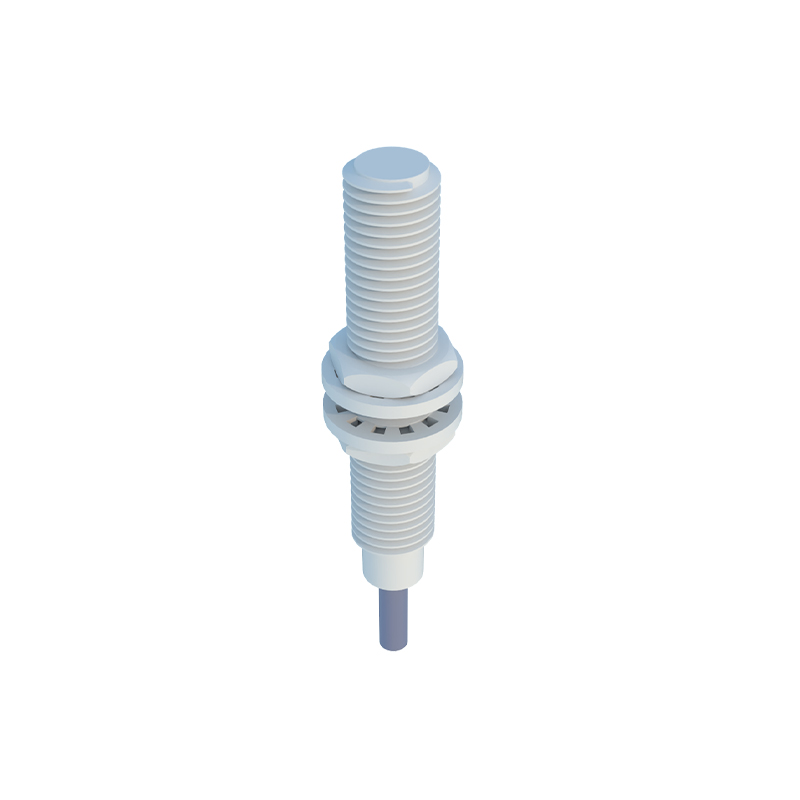
In the realm of industrial automation and smart device design, the ability to detect the presence, absence, or position of an object without physical contact is paramount. Among the various technologies enabling this capability, the spot focus proximity sensor stands out for its precision and versatility. Unlike diffuse or retro-reflective sensors, this type of sensor utilizes a focused beam of light, typically from a laser or precision LED, to create a highly defined detection spot at a specific focal point. This fundamental characteristic unlocks a range of applications where accuracy and reliability are non-negotiable.
The core operational principle hinges on the triangulation method. The sensor emits a concentrated beam of light. When this beam strikes a target object within its precise focal range, the light is reflected back. A receiver, positioned at a calculated angle relative to the emitter, captures this reflected light. The sensor's internal circuitry then analyzes the position of the reflected spot on its receiver element. A key differentiator is that detection only occurs when an object is at the exact focal point where the reflected beam aligns correctly with the receiver. Objects placed closer or farther than this focal point will reflect light to a different position on the receiver, resulting in no output signal. This creates a very narrow, precise sensing window, effectively ignoring background objects.
This precise focal point detection offers significant advantages. First and foremost is exceptional accuracy in positioning and edge detection. In manufacturing, for instance, these sensors can verify if a component is seated perfectly in a jig or detect the precise edge of a material for cutting or alignment. Their ability to ignore backgrounds makes them ideal for challenging environments where other sensors might be triggered by machinery, brackets, or passing objects outside the target zone. Furthermore, their focused beam performs well on poorly reflective, dark, or absorbent surfaces that might confound standard diffuse sensors, and it is less susceptible to ambient light interference.
The applications for spot focus proximity sensors are diverse and critical. In the electronics industry, they are indispensable for wafer handling and chip placement, ensuring microscopic components are positioned with micron-level accuracy. Within automated packaging lines, they detect the exact fill level in transparent bottles or verify label presence and position on high-speed conveyors. The automotive sector relies on them for precise robot guidance in assembly tasks, such as windshield placement or door panel alignment. Beyond heavy industry, they find use in sophisticated consumer devices for functions like precise paper edge detection in high-end printers or ensuring safety in automated equipment by confirming guard positions.
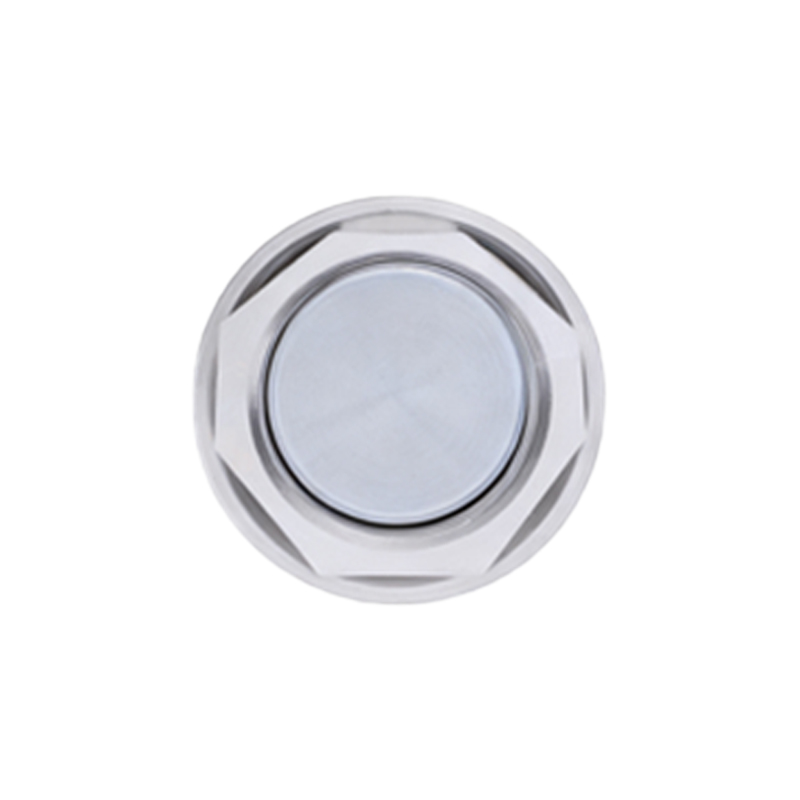
Selecting the right spot focus sensor requires careful consideration of several parameters. The sensing distance, or focal length, must match the application's physical constraints. The size of the focused spot is crucial; a smaller spot allows for detecting finer details or smaller objects. Response time must be fast enough for the production line's speed. Environmental factors like temperature, potential for lens contamination, and exposure to vibrations also play a role in housing material and protection rating (IP grade) selection. Regular maintenance, primarily keeping the lens clean from dust or oil mist, is essential for maintaining optimal performance.
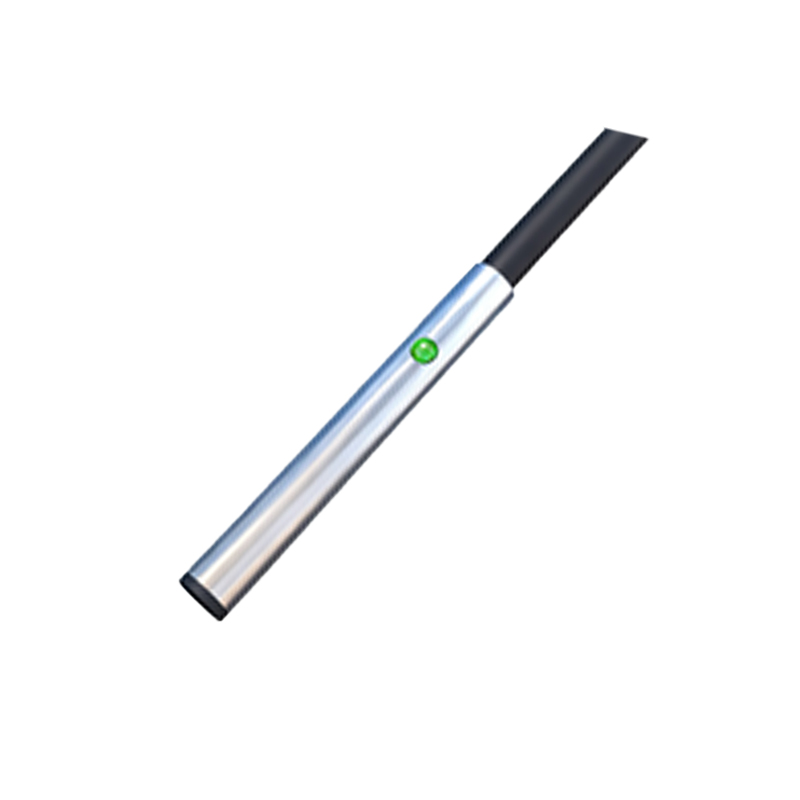
Looking ahead, the integration of spot focus sensors with smarter systems is a clear trend. Sensors with integrated IO-Link communication can provide diagnostic data, such as signal strength or lens contamination warnings, enabling predictive maintenance. Advancements in laser diode technology continue to allow for smaller, more energy-efficient sensors with even finer spot sizes. As industries push for greater precision in miniaturization and quality control, the spot focus proximity sensor will remain a foundational tool, evolving to meet the ever-increasing demands for accuracy in a non-contact world. Its unique principle of operation solves specific, high-precision challenges that other sensing technologies cannot address as effectively, securing its vital role in advanced automation.