In the world of industrial automation and machine safety, the reliability of a metal proximity sensor is non-negotiable. These non-contact devices are the silent sentinels of production lines, detecting the presence or absence of metallic objects with precision. As an electrical engineer with years of field experience, I am often asked, "Which brand of metal proximity sensor is truly the best?" The answer, as with most engineering questions, is nuanced: it depends on your specific application, environment, and budget. However, by analyzing key performance indicators, durability, and industry reputation, we can identify the leading contenders that consistently deliver superior performance.
First, let's establish the critical parameters for evaluation. A top-tier metal proximity sensor must excel in sensing distance consistency, switching frequency, environmental resilience (against factors like temperature extremes, oils, and coolants), housing robustness, and long-term electrical stability. Brands that invest in advanced core technologies, such as improved oscillator designs and sophisticated ASICs for signal processing, typically lead the pack.
When discussing premium performance, several names dominate global conversations. Sick AG is frequently at the forefront, particularly for demanding and high-precision applications. Their sensors are renowned for exceptional background suppression and noise immunity, making them ideal for complex environments with multiple metallic targets or high electromagnetic interference. The build quality is outstanding, often featuring robust stainless-steel housings and high IP ratings. For applications where failure is not an option, such as in automotive assembly or packaging machinery, Sick provides a level of confidence that justifies its premium price point.
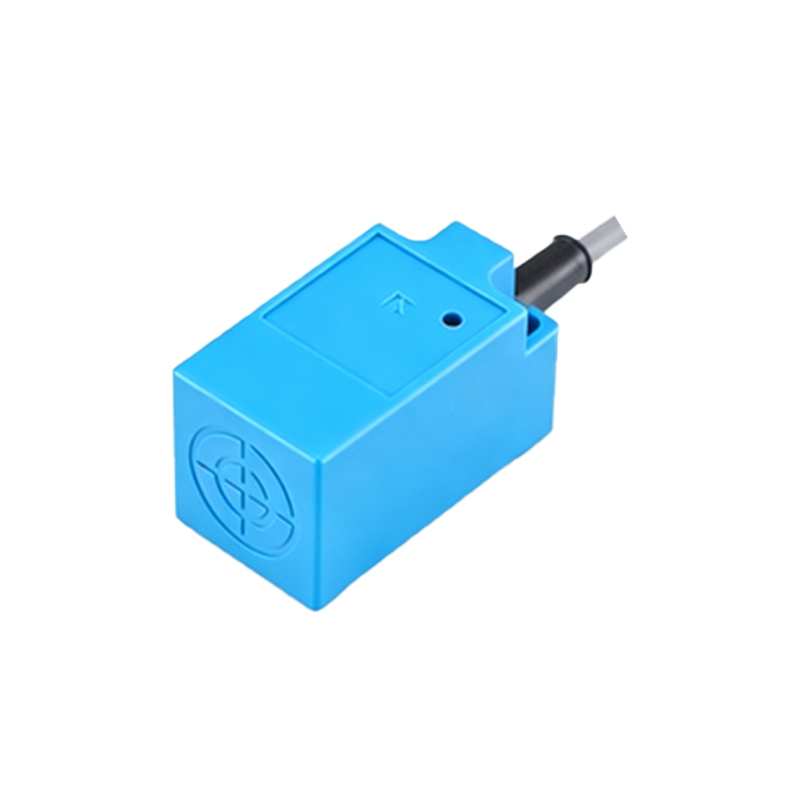
Another powerhouse is Pepperl+Fuchs. This German manufacturer has built a legendary reputation for durability and innovation. Their inductive proximity sensors are engineered to withstand the harshest industrial conditions, including heavy washdowns in food and beverage plants or continuous vibration in metalworking. Pepperl+Fuchs offers an incredibly wide range of form factors, connection types, and special-function sensors (e.g., weld-field immune, factor 1 sensors). Their technical documentation and support are exemplary, making system integration straightforward for engineers.
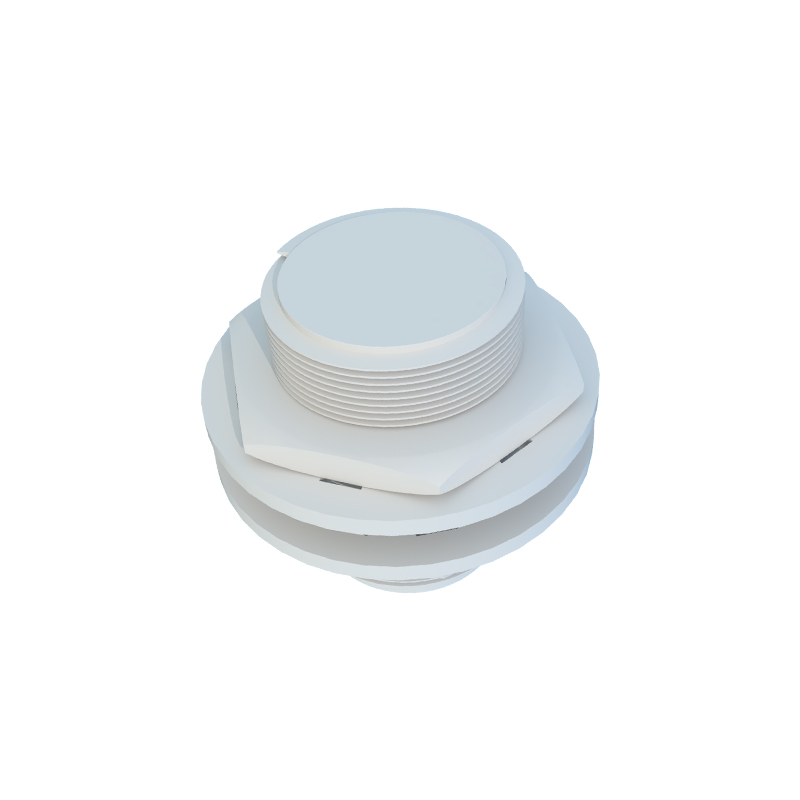
For a balance of proven reliability, extensive availability, and competitive pricing, Omron and Balluff are top choices. Omron, a Japanese leader in automation, produces sensors that are synonymous with consistency and longevity. Their E2E series and other core families are workhorses found in countless factories worldwide. The performance is predictable, the failure rate is low, and their global distribution network ensures easy replacement and support. Balluff, hailing from Germany, is particularly strong in innovative solutions for factory networking (IO-Link) and miniaturization. Their sensors often incorporate smart features that facilitate predictive maintenance and data collection, aligning with Industry 4.0 trends. The quality of their sensing elements and connectors is consistently high.
In the North American market, Allen-Bradley (Rockwell Automation) commands significant loyalty. While sometimes sourced from specialized manufacturers and branded, their sensors are designed for seamless integration with Rockwell's PLC and control ecosystem. For facilities standardized on Rockwell architecture, using Allen-Bradley sensors simplifies wiring, programming, and troubleshooting, reducing total system lifecycle costs. The performance is robust and tailored for the heavy industrial sectors common in the region.
Beyond these giants, specialized brands like Turck and ifm electronic deserve mention. Turck excels in ruggedized designs and versatile connection technologies, while ifm is praised for its user-friendly diagnostics (like LED status indicators) and strong value proposition across a broad portfolio.
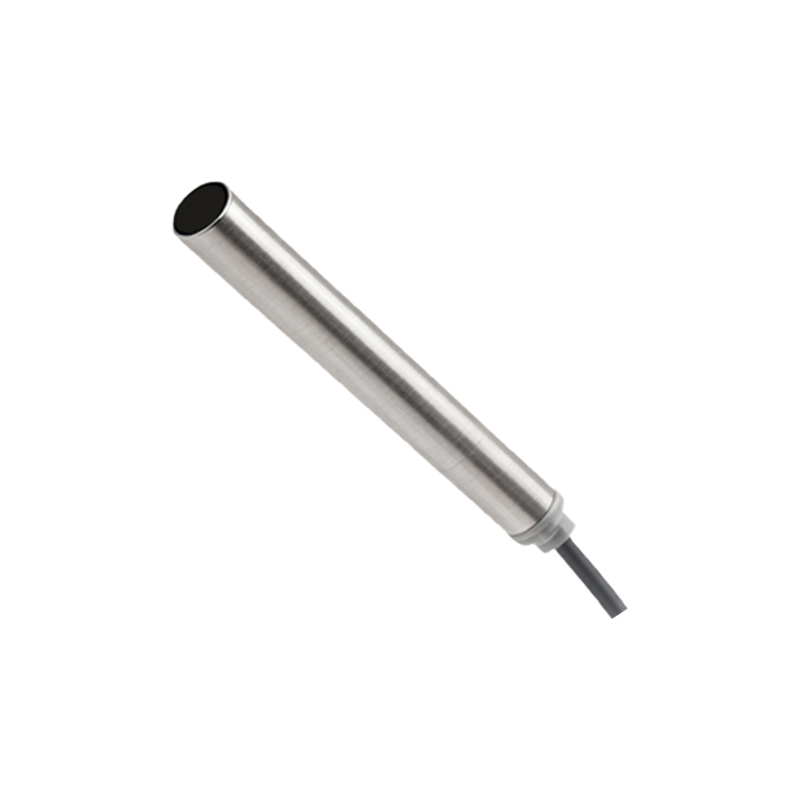
So, which brand is the best? For ultimate precision and resilience in extreme conditions, Sick or Pepperl+Fuchs are often the answer. For cost-effective, reliable performance in standard applications with a need for global support, Omron is a stellar choice. For smart, networked factories, Balluff and ifm offer compelling futures. For integrated Rockwell Automation environments, Allen-Bradley is the pragmatic selection.
The final recommendation is to always prototype. Obtain samples from two or three shortlisted brands and test them in your actual machine under real operating conditions. Monitor for false triggers, response time consistency, and physical wear over a trial period. The data from your own application will tell you more than any catalog ever could. Invest in the sensor brand that not only detects metal reliably but also delivers peace of mind for years of uninterrupted operation.