Hall Effect proximity sensors are pivotal components in today's industrial and electrical systems, offering non-contact detection of magnetic objects with high precision and reliability. As an electrical engineer with extensive field experience, I have witnessed their evolution from niche applications to mainstream adoption across automation, automotive, and robotics sectors. This article delves into the operational principles, key advantages, and practical considerations for integrating these sensors into modern electrical designs.
At its core, a Hall Effect sensor operates on the principle discovered by Edwin Hall in 1879: when a current-carrying conductor is placed in a magnetic field perpendicular to the current flow, a voltage difference—known as the Hall voltage—is generated across the conductor. In proximity sensors, this phenomenon is harnessed to detect the presence or absence of magnetic targets without physical contact. The sensor typically consists of a Hall element, signal conditioning circuitry, and an output stage. When a magnetic field from a target (e.g., a permanent magnet or ferrous material) interacts with the Hall element, it alters the Hall voltage, which is then processed to trigger a digital or analog output signal. This mechanism ensures minimal wear and tear, making Hall Effect sensors ideal for harsh environments where mechanical switches would fail.
One of the standout features of Hall Effect proximity sensors is their versatility. They can detect both static and dynamic magnetic fields, enabling applications ranging from position sensing in motor shafts to speed measurement in conveyor belts. In automotive systems, for instance, they are integral to anti-lock braking systems (ABS), where they monitor wheel rotation without contact, reducing maintenance needs and enhancing safety. Similarly, in industrial automation, these sensors provide precise feedback for robotic arms, ensuring accurate movement and alignment in assembly lines. Their immunity to dust, moisture, and vibration further underscores their robustness, a critical factor in sectors like manufacturing and energy.
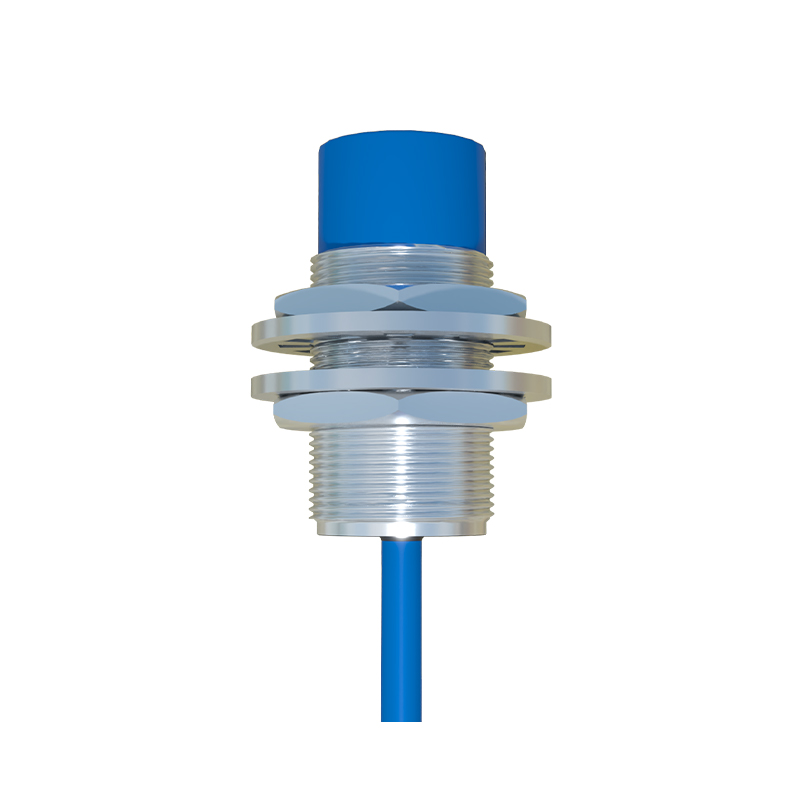
When selecting a Hall Effect proximity sensor, engineers must consider several parameters to optimize performance. Sensing distance, often specified by manufacturers, depends on the magnetic field strength of the target and the sensor's sensitivity. For example, a sensor with a 10mm range may suffice for detecting gear teeth, while longer ranges are needed for bulk material handling. Output types also vary: digital outputs (e.g., NPN or PNP transistors) offer simple on/off signals for presence detection, whereas analog outputs (e.g., 4-20mA or 0-10V) provide continuous data for distance or speed monitoring. Additionally, temperature stability is crucial, as extreme conditions can affect magnetic properties and sensor accuracy. Modern designs incorporate temperature compensation circuits to mitigate drift, ensuring consistent operation from -40°C to 150°C.
Installation and alignment play a vital role in maximizing sensor efficacy. Misalignment between the sensor and magnetic target can lead to false triggers or reduced sensitivity. Engineers should follow manufacturer guidelines for mounting, often involving precise gaps and orientations. Shielding from external magnetic interference—such as from nearby motors or power lines—is also essential to prevent erratic behavior. In my projects, I have found that using shielded cables and maintaining adequate clearance from electromagnetic sources significantly improves signal integrity. Regular calibration and testing, especially in critical applications like medical devices or aerospace systems, help maintain long-term reliability.
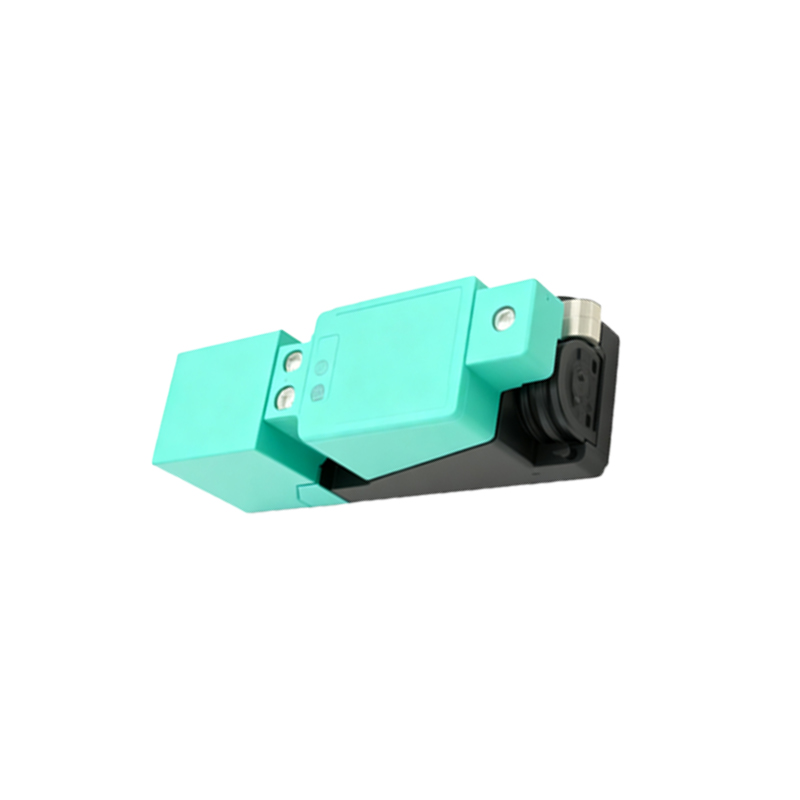
Looking ahead, advancements in Hall Effect technology continue to expand its horizons. Integrated circuits (ICs) now combine Hall elements with microcontrollers, enabling smart sensors with self-diagnostic capabilities and communication protocols like IO-Link or CAN bus. These innovations facilitate predictive maintenance, where sensors can alert operators to potential failures before downtime occurs. Moreover, the rise of miniaturization has led to sub-millimeter sensors for compact devices, such as wearable electronics and IoT modules. As industries embrace Industry 4.0, Hall Effect proximity sensors are poised to play a central role in creating interconnected, efficient systems.
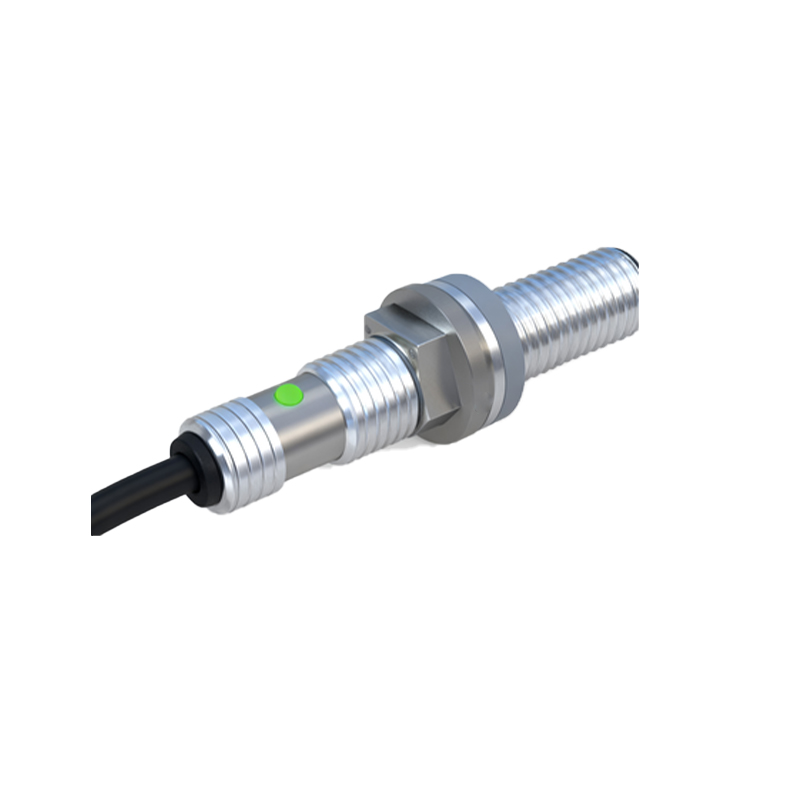
In conclusion, Hall Effect proximity sensors represent a cornerstone of modern electrical engineering, blending theoretical physics with practical innovation. Their non-contact nature, durability, and adaptability make them indispensable in diverse applications. For engineers, mastering their selection and integration is key to designing resilient and high-performance systems. By staying informed on technological trends and adhering to best practices, we can leverage these sensors to drive progress in automation, safety, and beyond.