Semiconductor proximity sensors represent a pivotal advancement in industrial automation, offering unparalleled precision and reliability in object detection. These sensors operate based on the principle of detecting changes in electromagnetic fields or optical signals, utilizing semiconductor materials such as silicon or gallium arsenide to enhance sensitivity and response times. One of the key characteristics of semiconductor proximity sensors is their non-contact nature, which eliminates mechanical wear and tear, thereby extending operational lifespan and reducing maintenance costs. This feature is particularly beneficial in harsh environments where dust, moisture, or extreme temperatures might compromise traditional mechanical sensors.
Another significant advantage is the high-speed response capability of semiconductor proximity sensors. With response times often measured in microseconds, these sensors can accurately detect objects moving at rapid speeds, making them ideal for high-throughput manufacturing lines, robotics, and conveyor systems. The miniaturization of semiconductor components allows for compact sensor designs, enabling integration into space-constrained applications without sacrificing performance. Additionally, many modern semiconductor proximity sensors incorporate digital output signals, such as IO-Link or PWM, facilitating seamless communication with programmable logic controllers (PLCs) and industrial networks for real-time data monitoring and control.
Energy efficiency is a notable characteristic, as semiconductor-based sensors typically consume lower power compared to electromechanical alternatives. This not only reduces operational costs but also supports sustainable practices in industrial settings. Furthermore, advancements in semiconductor technology have led to improved immunity to electrical noise and environmental interference, ensuring stable operation in electrically noisy environments like those found near motors or welding equipment. Some sensors also feature adjustable sensing ranges and sensitivity settings, allowing customization for specific applications, from detecting metallic objects in automotive assembly to non-metallic materials in packaging industries.
Durability and robustness are enhanced through solid-state construction, which lacks moving parts that could fail under vibration or shock. Many semiconductor proximity sensors are rated for IP67 or higher ingress protection, safeguarding against water and dust ingress. In terms of application versatility, these sensors are employed across diverse sectors, including automotive, aerospace, pharmaceuticals, and consumer electronics, for tasks such as position sensing, counting, and quality inspection. As Industry 4.0 evolves, semiconductor proximity sensors are increasingly integrated with IoT platforms, enabling predictive maintenance and smart factory initiatives through data analytics and connectivity.
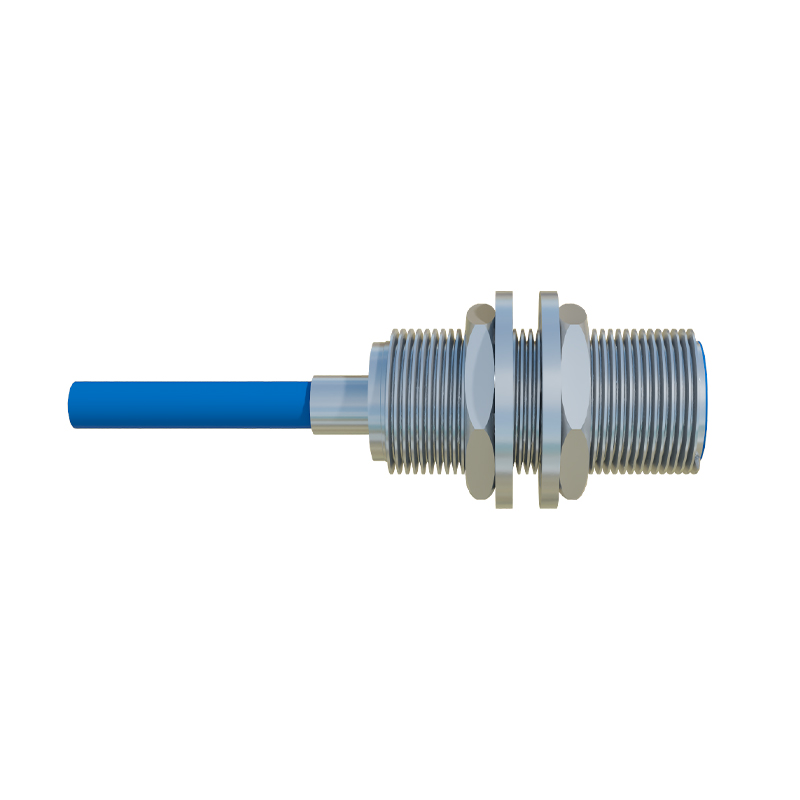
Despite their advantages, it is important to consider factors like material compatibility and installation requirements. For instance, certain sensors may have limitations in detecting non-metallic objects or may require specific mounting orientations. However, ongoing research in semiconductor materials, such as the development of wide-bandgap semiconductors, promises to address these challenges by offering higher temperature tolerance and broader detection capabilities. In summary, semiconductor proximity sensors stand out for their precision, speed, durability, and adaptability, driving efficiency and innovation in modern industrial automation.