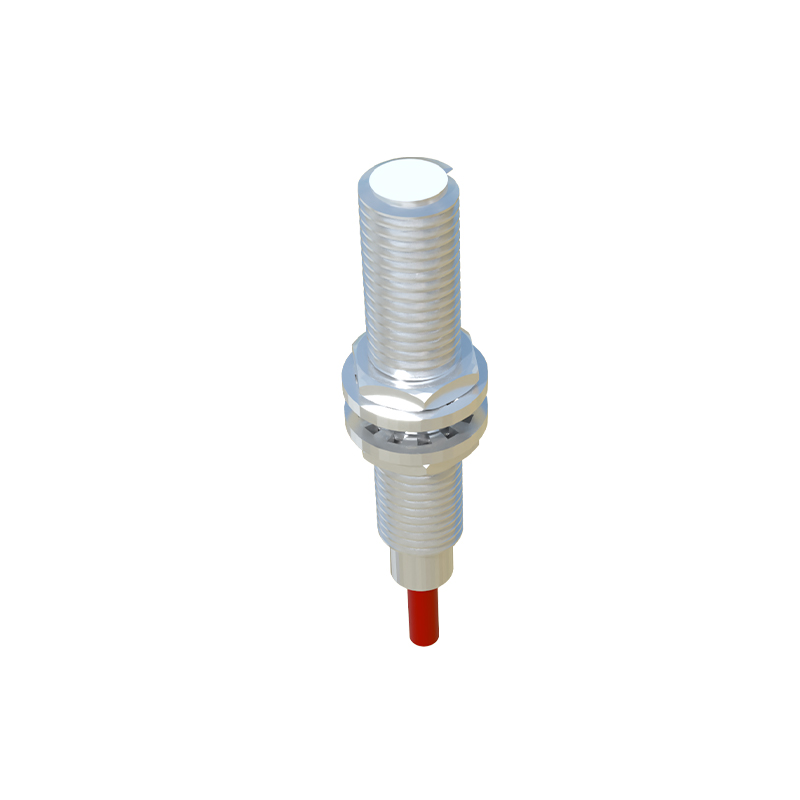
In modern industrial automation, robotic arms have become indispensable for tasks ranging from assembly and welding to material handling and packaging. At the heart of their precision and reliability lies a critical component: the proximity sensor switch. These sensors play a pivotal role in ensuring that robotic arms operate safely, accurately, and efficiently, making them essential in high-stakes manufacturing environments.
Proximity sensor switches are non-contact devices that detect the presence or absence of an object within a specific range without physical interaction. In robotic arms, they are typically used to sense the position of the arm, end-effector, or nearby objects, providing real-time feedback to the control system. This allows for precise movements, such as stopping the arm at exact locations or adjusting its path to avoid collisions. For example, in pick-and-place applications, proximity sensors ensure that the gripper correctly aligns with the target object, reducing errors and minimizing product damage.
There are several types of proximity sensors commonly integrated into robotic arms, including inductive, capacitive, and magnetic sensors. Inductive sensors are ideal for detecting metallic objects, making them suitable for metalworking or automotive assembly lines. Capacitive sensors can sense both metallic and non-metallic materials, such as plastics or liquids, which is useful in packaging or food processing industries. Magnetic sensors, often used in conjunction with magnets, provide reliable position feedback in harsh environments with dust, moisture, or temperature variations. Each type offers unique advantages, allowing engineers to select the best fit based on the application's requirements.
One of the primary functions of proximity sensor switches in robotic arms is safety. By monitoring the arm's surroundings, these sensors can detect unexpected obstacles or human presence, triggering an immediate stop or slowdown to prevent accidents. This is crucial in collaborative robotics, where humans and robots work side-by-side. Additionally, proximity sensors enhance efficiency by enabling faster cycle times. With accurate detection, robotic arms can perform repetitive tasks with minimal downtime, as there is no need for mechanical contact that could cause wear or delays.
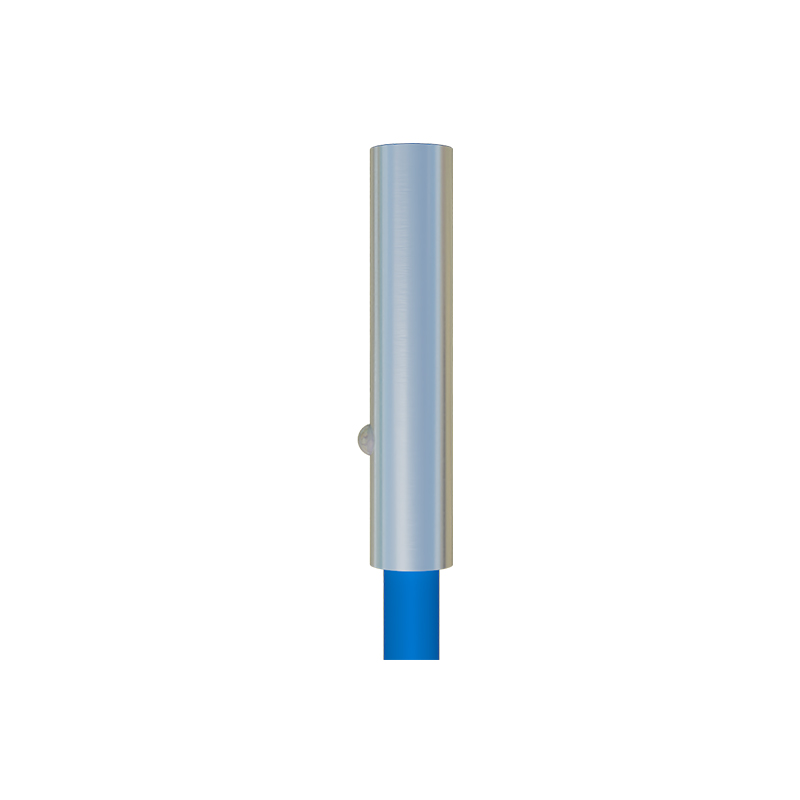
In terms of applications, proximity sensor switches are versatile. In welding robots, they ensure the torch maintains the correct distance from the workpiece, improving weld quality. In painting robots, sensors help maintain consistent spray distances, reducing waste and ensuring even coverage. For inspection tasks, proximity sensors assist in positioning cameras or probes accurately, enhancing the reliability of quality checks. Moreover, in automated guided vehicles (AGVs) that use robotic arms for loading, these sensors aid in docking and alignment, streamlining logistics operations.
The integration of proximity sensor switches also contributes to predictive maintenance. By continuously monitoring sensor data, engineers can detect anomalies, such as misalignments or wear, before they lead to failures. This proactive approach reduces maintenance costs and extends the lifespan of robotic systems. As Industry 4.0 advances, smart sensors with IoT connectivity are becoming more prevalent, allowing for real-time data analysis and remote monitoring, further optimizing robotic arm performance.
In conclusion, proximity sensor switches are fundamental to the functionality of robotic arms in industrial automation. They provide the precision, safety, and efficiency needed for complex tasks, adapting to various environments and materials. As technology evolves, these sensors will continue to play a key role in enhancing robotic capabilities, driving innovation in manufacturing and beyond. For engineers and industry professionals, understanding their functions and applications is essential for designing and maintaining effective automated systems.