Proximity sensors, often abbreviated as PR sensors, are indispensable components in modern industrial automation and control systems. These non-contact sensing devices detect the presence or absence of objects within their sensing range without any physical contact, offering high reliability, long operational life, and minimal maintenance. This article delves into the working principles, types, key specifications, and critical application considerations for proximity sensors in various industrial settings.
At their core, proximity sensors operate by emitting an electromagnetic field or a beam of electromagnetic radiation (such as infrared light). They then monitor for changes in the field or return signal. The most common technologies include Inductive, Capacitive, Ultrasonic, and Photoelectric sensors. Inductive proximity sensors are the workhorses for detecting metallic objects. They generate an oscillating electromagnetic field from a coil. When a metallic target enters this field, it induces eddy currents, which dampen the oscillation amplitude. This change is detected by the sensor's circuitry, triggering an output signal. These sensors are ideal for harsh environments involving oil, coolants, or dust and are widely used in metal detection, position sensing in machinery, and part counting on conveyor lines.
Capacitive proximity sensors, on the other hand, can detect both metallic and non-metallic materials like liquids, plastics, wood, or granules. They function by generating an electrostatic field. Any object entering this field alters the capacitance of the sensor's circuit, prompting a state change. This makes them perfect for level detection in tanks (liquid or solid), material handling, and presence detection of non-metallic products. Ultrasonic sensors use sound waves beyond human hearing. They measure the time taken for a sound pulse to reflect off a target and return, calculating distance. Excellent for clear object detection, distance measurement, and level sensing in challenging conditions with dust, mist, or varying colors. Photoelectric sensors utilize light beams (visible red, infrared, or laser) and are categorized into through-beam, retro-reflective, and diffuse-reflective types. They offer long sensing ranges and high precision for detecting small objects, packaging applications, and complex automation tasks.
Selecting the right PR sensor requires careful analysis of several parameters. Sensing distance, or the nominal range at which a standard target can be reliably detected, is paramount. Engineers must consider the safe mounting distance, accounting for temperature fluctuations and supply voltage tolerances. The sensor's housing material (e.g., nickel-plated brass, stainless steel, PBT plastic) must withstand the environmental conditions, including exposure to chemicals, washdowns, or mechanical impact. Output configuration is another critical choice: NPN (sinking) or PNP (sourcing) transistor outputs, analog outputs (4-20 mA, 0-10V), or IO-Link for digital communication and parameterization. The switching frequency defines how quickly the sensor can respond, a vital factor in high-speed production lines.
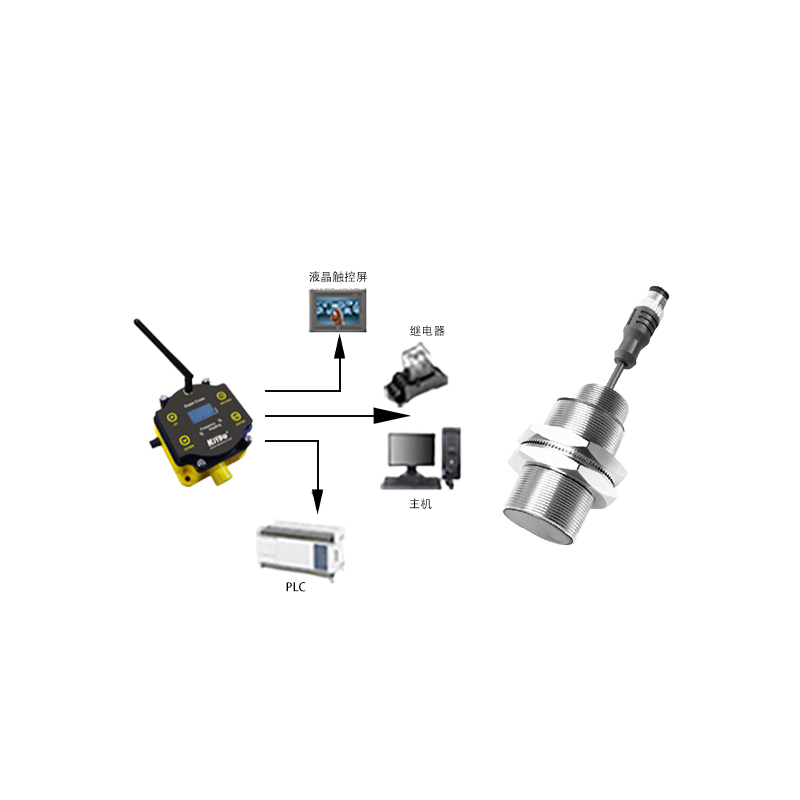
Installation and environmental factors significantly impact performance. For inductive sensors, the presence of different metals (steel, aluminum, copper) affects the actual sensing distance, often requiring a correction factor. Surrounding metal (like the mounting bracket) can cause shielding effects, necessitating proper recessed mounting or non-ferrous brackets. In capacitive sensing, environmental humidity or material buildup on the face can cause false triggering, often mitigated by sensors with built-in compensation or routine cleaning. For all sensors, ensuring stable power supply voltage and protecting wiring from electrical noise in industrial panels are essential for reliable operation.
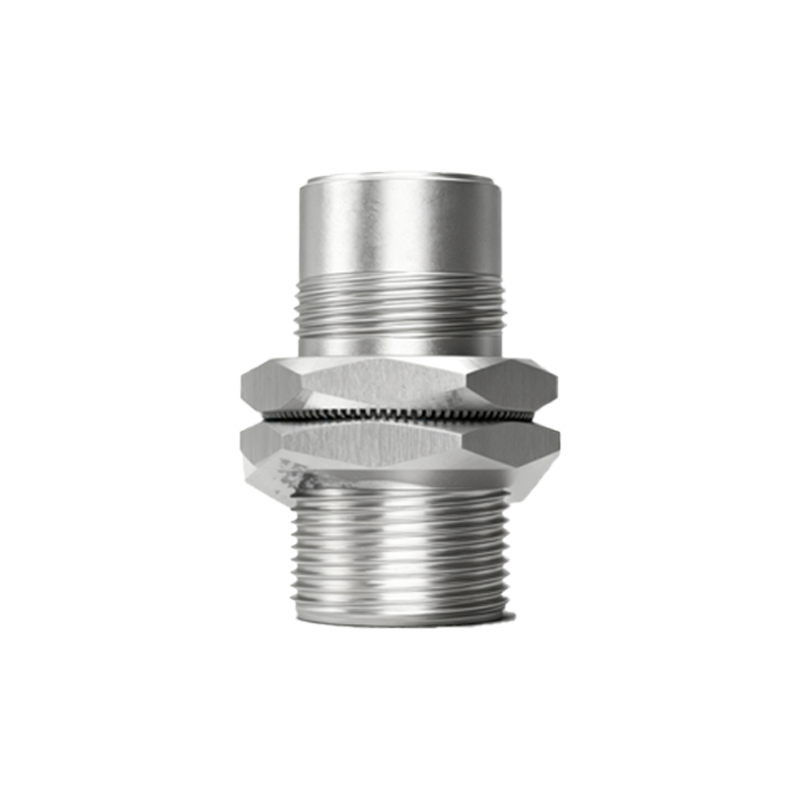
The applications of proximity sensors are vast and integral to Industry 4.0 and smart manufacturing. They provide the essential data for machine safety (door interlocking, position verification), precision assembly (robot guidance, part orientation), quality control (part presence/absence, counting), and process automation (fill level control, conveyor jam detection). The advent of intelligent sensors with IO-Link communication allows for advanced diagnostics, remote configuration, and integration into predictive maintenance strategies, reducing downtime and optimizing production flow.
In conclusion, proximity sensors (PR) are fundamental enabling technologies for automation. A deep understanding of their operating principles, a methodical approach to selection based on the target material, environmental conditions, and required performance, coupled with proper installation practices, ensures robust and reliable system integration. As industries move towards greater connectivity and intelligence, the role of these versatile sensors continues to expand, forming the sensory backbone of modern industrial systems.