In the realm of industrial automation and control systems, proximity sensors are indispensable components for detecting the presence or absence of objects without physical contact. Among the various types available, split-type proximity sensors offer unique design flexibility and installation benefits that make them suitable for challenging environments. This article delves into the working principles, key features, common applications, and selection criteria for split-type proximity sensors.
A split-type proximity sensor, as the name implies, consists of two separate units: a sensing head and an amplifier or controller unit. Unlike integrated sensors where the sensing element and electronics are housed together, the split design allows the compact sensing head to be installed in tight or harsh locations, while the amplifier unit can be mounted remotely in a more protected, accessible area. This separation is typically connected via a cable, which can vary in length based on application requirements. The core technology behind these sensors often involves inductive, capacitive, or magnetic principles. Inductive types are common for detecting metallic objects, using an electromagnetic field generated by a coil in the sensing head. When a metal target enters this field, it induces eddy currents, causing a change in oscillation amplitude that is detected and processed by the amplifier unit to produce an output signal.
The advantages of split-type proximity sensors are numerous. First, their modular design enhances durability in extreme conditions. The sensing head can be constructed with robust materials like stainless steel or PTFE coatings to withstand high temperatures, corrosive chemicals, or heavy mechanical stress, while the sensitive electronics in the amplifier remain shielded from such hazards. This extends the sensor's operational life and reduces maintenance needs. Second, installation flexibility is significantly improved. The small sensing head can fit into confined spaces—such as inside machinery, near moving parts, or in washdown areas—without compromising performance. Third, split-type sensors often support longer sensing distances compared to some integrated models, thanks to optimized signal processing in the amplifier. Additionally, many models offer adjustable sensitivity, time delays, and output configurations (e.g., NPN/PNP, analog, or digital outputs), allowing for precise customization to specific tasks.
Common applications span various industries. In manufacturing, these sensors are used for position detection on conveyor belts, part counting in assembly lines, or end-of-travel sensing in robotic arms. The food and beverage industry benefits from their hygienic designs, which facilitate easy cleaning and resist moisture ingress. In automotive production, split-type sensors monitor component placement in welding or painting processes where heat and debris are prevalent. They also play a role in material handling systems, such as detecting pallets or guiding automated vehicles, and in heavy machinery for monitoring valve positions or safety interlocks.
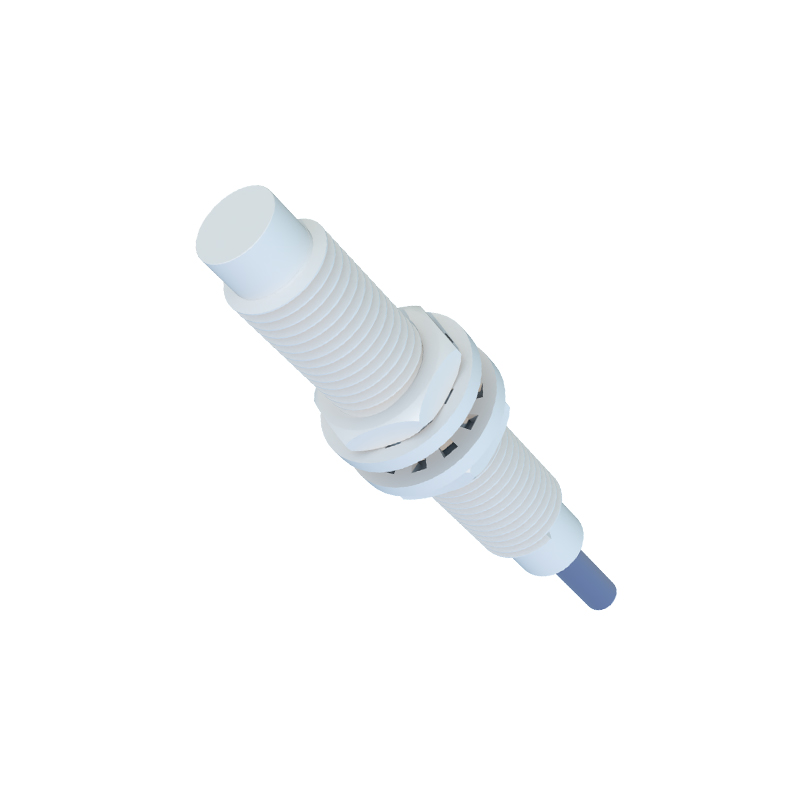
When selecting a split-type proximity sensor, several factors must be considered. The sensing distance should match the application's requirements, keeping in mind that factors like target material, size, and environmental interference can affect performance. The housing material of the sensing head must be compatible with the environment—for instance, nickel-plated brass for general use or FDA-approved plastics for food contact. Cable length and type (e.g., PVC, PUR) should be chosen based on distance and exposure to oils, chemicals, or abrasion. Output type is critical for integration with PLCs or controllers; while digital outputs are standard for on/off detection, analog outputs provide continuous distance measurement for more complex control. Lastly, certifications like IP ratings for ingress protection or ATEX for explosive atmospheres may be necessary for specific sectors.
Maintenance of split-type proximity sensors is generally straightforward. Regular inspection of the sensing head for contamination—such as dust, grease, or metal chips—is essential to prevent false triggers. The cable connections should be checked for integrity to avoid signal loss. Most amplifiers feature LED indicators for diagnostics, helping troubleshoot issues like power faults or output status. In case of failure, the modular design allows for easy replacement of either the sensing head or amplifier without discarding the entire unit, reducing downtime and costs.
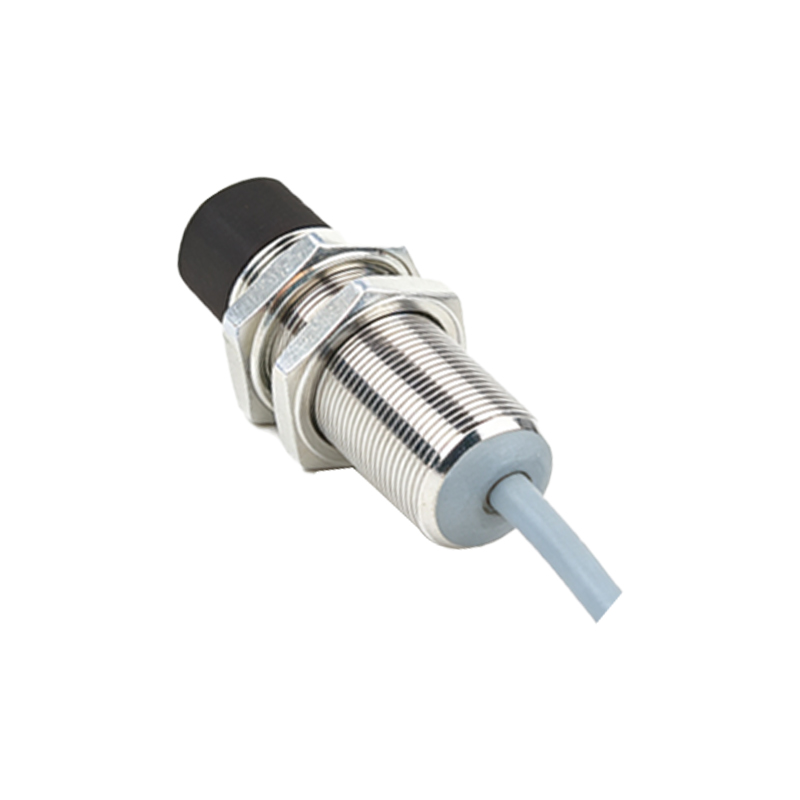
In summary, split-type proximity sensors provide a versatile solution for industrial sensing challenges. Their separated design balances robustness and precision, enabling reliable operation in diverse settings. By understanding their capabilities and proper selection criteria, engineers can optimize automation systems for enhanced efficiency and safety. As technology advances, future trends may include smarter amplifiers with IoT connectivity for predictive maintenance, further solidifying the role of split-type sensors in Industry 4.0.