In the rapidly evolving landscape of industrial automation and smart systems, proximity sensing technology stands as a critical component for enabling precise, non-contact detection. Among the various solutions available, the X5 Proximity Light Sensor has emerged as a robust and reliable choice for engineers across multiple sectors. This article delves into the technical specifications, operational principles, and practical applications of the X5 sensor, providing a detailed overview for electrical engineering professionals.
The X5 Proximity Light Sensor operates on the principle of modulated infrared light emission and reception. It contains an infrared LED that emits a beam of light and a phototransistor or photodiode that detects the reflected signal. The key to its high performance lies in its modulation technique, which involves emitting a specific frequency of light. This allows the sensor to distinguish its own reflected signal from ambient light interference, such as sunlight or artificial lighting, ensuring stable and accurate operation even in challenging environmental conditions. The sensor typically features a compact, rugged housing designed to meet IP67 or higher ingress protection ratings, making it suitable for harsh industrial environments involving dust, moisture, and mechanical stress.
From a technical standpoint, the X5 sensor offers several configurable parameters crucial for system integration. Its sensing range is often adjustable, commonly spanning from a few millimeters up to several centimeters, depending on the specific model and lens configuration. The output can be provided in various forms, including digital (NPN/PNP transistor switch) or analog (0-10V, 4-20mA) signals, offering flexibility for interfacing with Programmable Logic Controllers (PLCs), microcontrollers, or data acquisition systems. Response time is another critical factor; the X5 series is engineered for high-speed detection, with response times in the millisecond range, which is essential for high-throughput production lines and automated machinery.
One of the primary advantages of the X5 Proximity Light Sensor is its versatility in application. In manufacturing and packaging, it is extensively used for object detection, counting, and position verification on conveyor belts. Its ability to detect a wide variety of materials—including transparent glass, opaque plastics, and metallic objects—makes it indispensable. In the automotive industry, these sensors are deployed in robotic assembly arms for part presence verification and in automated guided vehicles (AGVs) for collision avoidance. Furthermore, they find applications in consumer electronics for features like touchless control and display management, leveraging their precision for non-contact user interfaces.
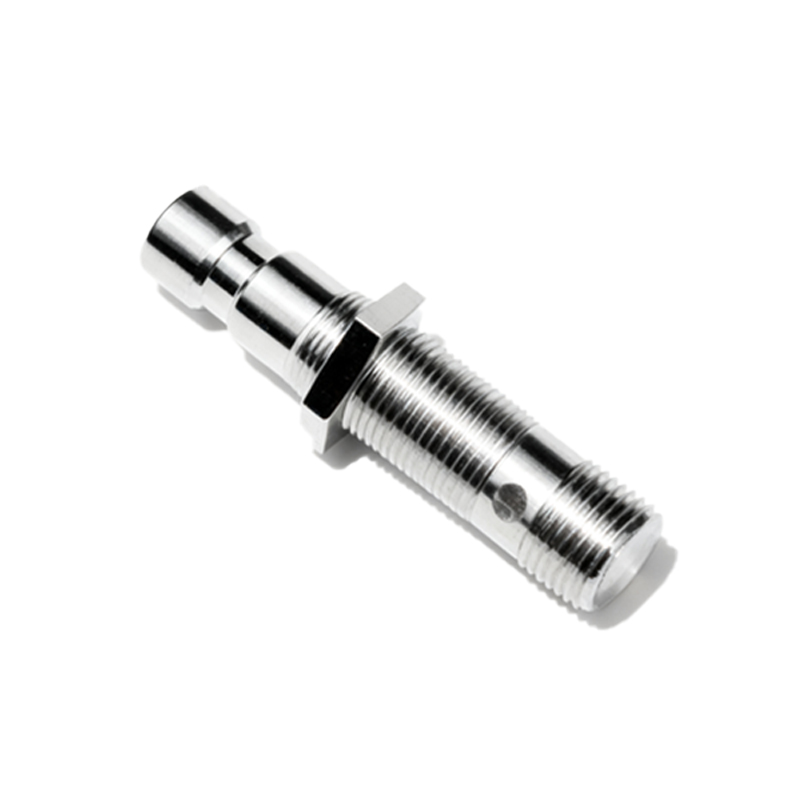
When integrating the X5 sensor into a system, engineers must consider several design factors. Proper alignment between the sensor and the target object is paramount for reliable operation. The sensor's performance can be affected by the color, reflectivity, and surface texture of the target material; highly reflective or dark absorbent surfaces may require sensitivity adjustment or the use of specialized models. Electrical compatibility is also vital. Ensuring correct wiring for the power supply (commonly 12-24V DC) and load, along with appropriate protection circuits against reverse polarity, voltage spikes, and short circuits, will guarantee longevity and prevent downtime.
Maintenance and troubleshooting are straightforward with the X5 sensor. Most models include a status indicator LED that provides immediate visual feedback on power and output state. Common issues, such as reduced sensing range or erratic output, are often traceable to lens contamination, misalignment, or electrical noise. Regular cleaning of the lens and periodic verification of alignment and output signals are recommended as part of a preventive maintenance schedule.
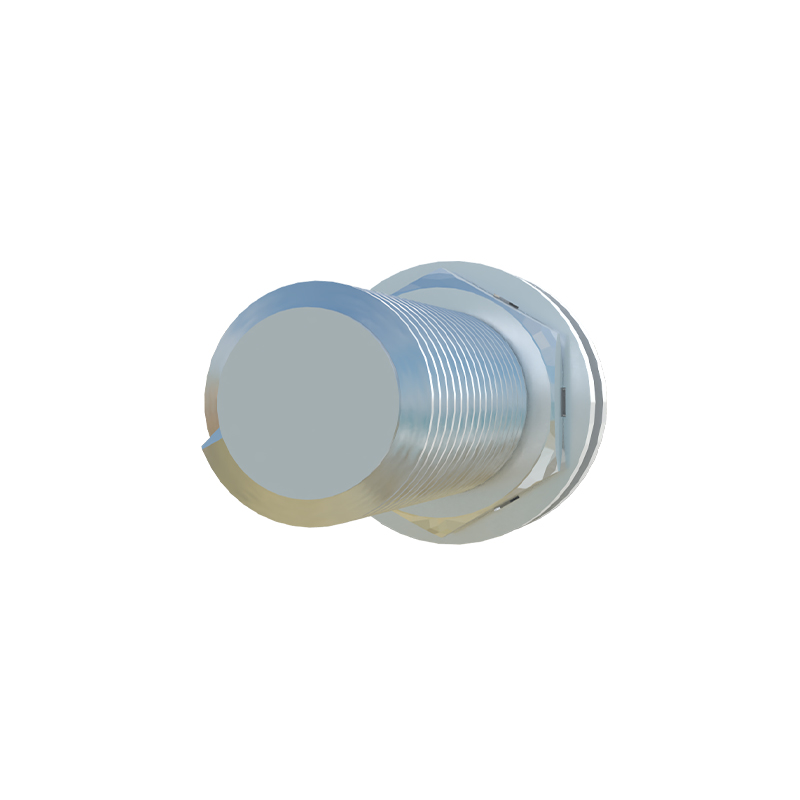
In comparison to other sensing technologies like ultrasonic or inductive proximity sensors, the X5 light-based sensor offers distinct benefits. It provides higher precision for small object detection and faster response times than ultrasonic sensors. While inductive sensors are superior for detecting metals only, the X5's capability with non-metallic materials gives it a broader application scope. However, its limitations include potential interference from highly reflective backgrounds and performance degradation in environments with heavy airborne particulates like dust or steam, which can scatter the light beam.
Looking ahead, the integration of the X5 Proximity Light Sensor with Industrial Internet of Things (IIoT) platforms represents the next frontier. Modern iterations may include IO-Link communication capabilities, enabling detailed parameter configuration, real-time diagnostics, and predictive maintenance data directly from the sensor to a central control system. This digital transformation enhances system intelligence, reduces unplanned outages, and optimizes operational efficiency.
In conclusion, the X5 Proximity Light Sensor is a sophisticated, adaptable component that addresses core detection needs in modern electrical and automation engineering. Its blend of reliability, speed, and material versatility makes it a fundamental building block for designing intelligent, responsive, and efficient automated systems. A thorough understanding of its operating principles, integration requirements, and application best practices is essential for engineers to fully leverage its capabilities and drive innovation in their projects.