In the evolving landscape of industrial automation and smart systems, the integration of sustainability with operational efficiency has become paramount. Green proximity sensor transducers stand at the forefront of this convergence, serving as critical components that not only enhance precision and reliability but also significantly reduce environmental impact. These advanced devices are engineered to detect the presence or absence of objects without physical contact, utilizing energy-efficient technologies that minimize power consumption and waste.
The core function of a proximity sensor transducer is to convert the detected presence or distance of an object into an electrical signal. Traditional sensors often relied on mechanisms that consumed substantial power or utilized materials with adverse environmental footprints. In contrast, modern green variants incorporate low-power semiconductor designs, such as CMOS technology, and employ materials that are both recyclable and free from hazardous substances like lead or mercury. This shift not only aligns with global regulations like RoHS and REACH but also contributes to longer product lifecycles and reduced electronic waste.
One of the primary roles of green proximity sensor transducers is in energy management within automated systems. For instance, in conveyor belt applications, these sensors can detect the position of items and trigger motors only when necessary, eliminating idle running and cutting energy usage by up to 30%. Similarly, in building automation, they enable smart lighting and HVAC controls by sensing occupancy, thereby optimizing resource utilization and lowering carbon emissions. The precision offered by these transducers ensures minimal false triggers, which further enhances efficiency and prevents energy wastage.
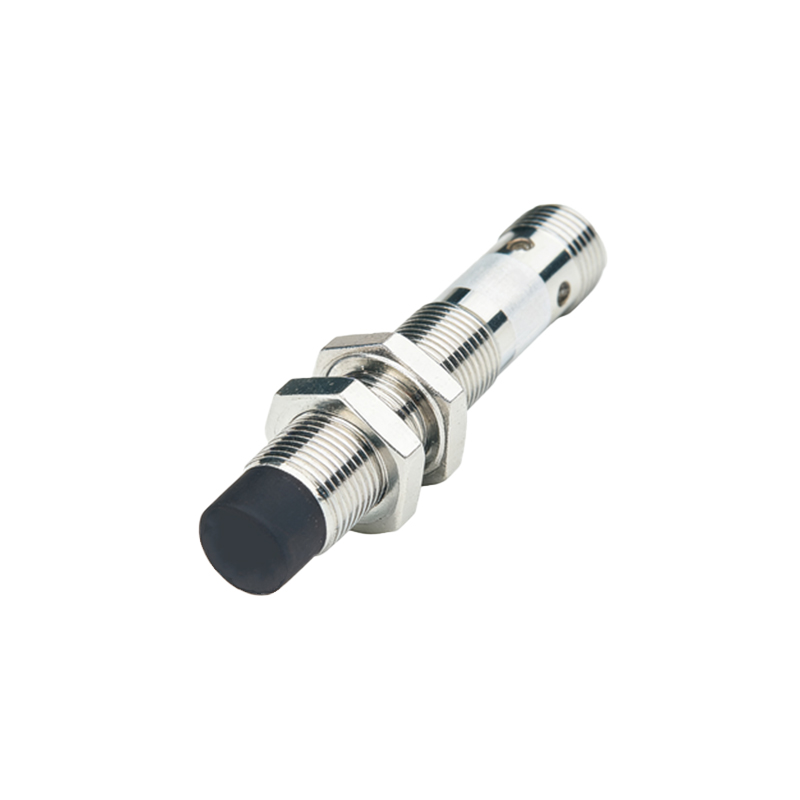
Moreover, the adaptability of green proximity sensor transducers across various industries underscores their importance. In automotive manufacturing, they facilitate precise assembly line operations while reducing the reliance on lubricants or coolants that could harm the environment. In renewable energy sectors, such as wind or solar farms, these sensors monitor equipment health and positioning, ensuring maximal output with minimal maintenance interruptions. Their robust design often includes enhanced durability against harsh conditions, which decreases the frequency of replacements and associated resource consumption.
From a technical perspective, the evolution towards green transducers involves innovations like energy harvesting capabilities, where sensors generate power from ambient sources such as vibration or light, thereby operating off-grid and reducing dependency on batteries. Additionally, the integration with IoT platforms allows for real-time data analytics, enabling predictive maintenance and further optimizing system performance. This connectivity not only boosts operational transparency but also supports circular economy principles by facilitating efficient resource tracking and management.
In conclusion, green proximity sensor transducers are indispensable in driving sustainable industrial practices. By merging high precision with eco-friendly attributes, they empower businesses to achieve operational excellence while adhering to environmental stewardship. As technology advances, these devices will continue to evolve, offering even greater efficiencies and playing a pivotal role in the global transition towards greener automation solutions.