In the realm of industrial automation, inductive proximity sensors are indispensable components, providing non-contact detection of metallic objects with remarkable reliability and speed. As an electrical engineer with extensive field experience, I often encounter queries regarding the pricing and selection of these sensors. The cost is not a simple figure but a reflection of a complex interplay of technical specifications, application requirements, and market dynamics. This guide aims to demystify the factors influencing inductive proximity sensor quotes, empowering you to make informed procurement decisions.
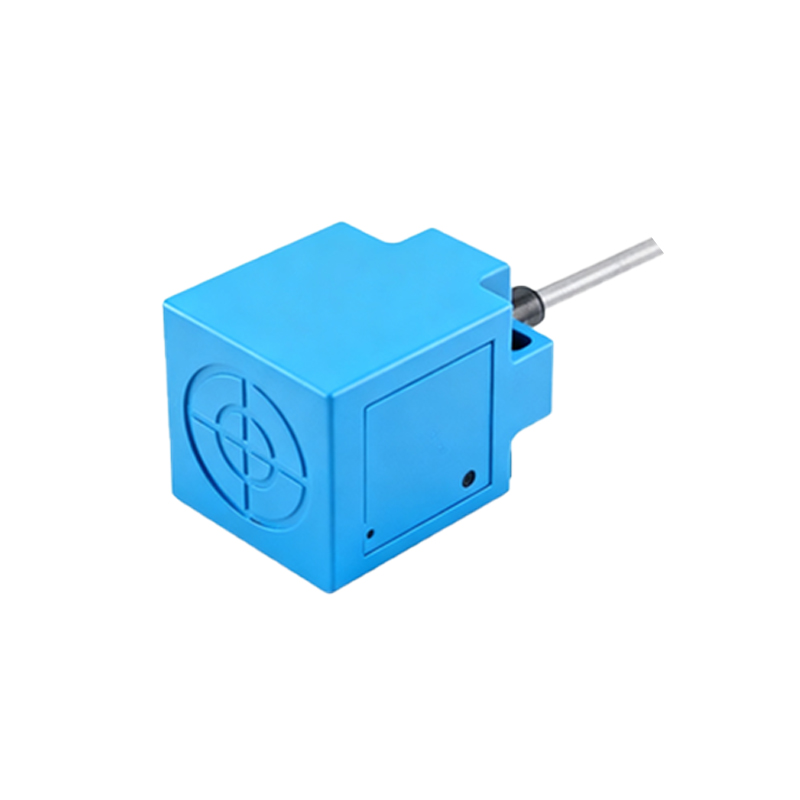
Firstly, the core technology and sensing range are primary cost drivers. Standard tubular sensors (e.g., M8, M12, M18, M30 threads) are typically the most economical. However, prices increase with extended sensing distances. A standard M18 sensor might detect steel at 8mm, while a factor-1 version offering 18mm range will command a higher price. Special designs like flat-pack or rectangular sensors for limited spaces also carry a premium. The target material significantly impacts performance and cost; sensors calibrated for standard steel are common, but versions optimized for aluminum, copper, or stainless steel require different oscillator designs and are more expensive.
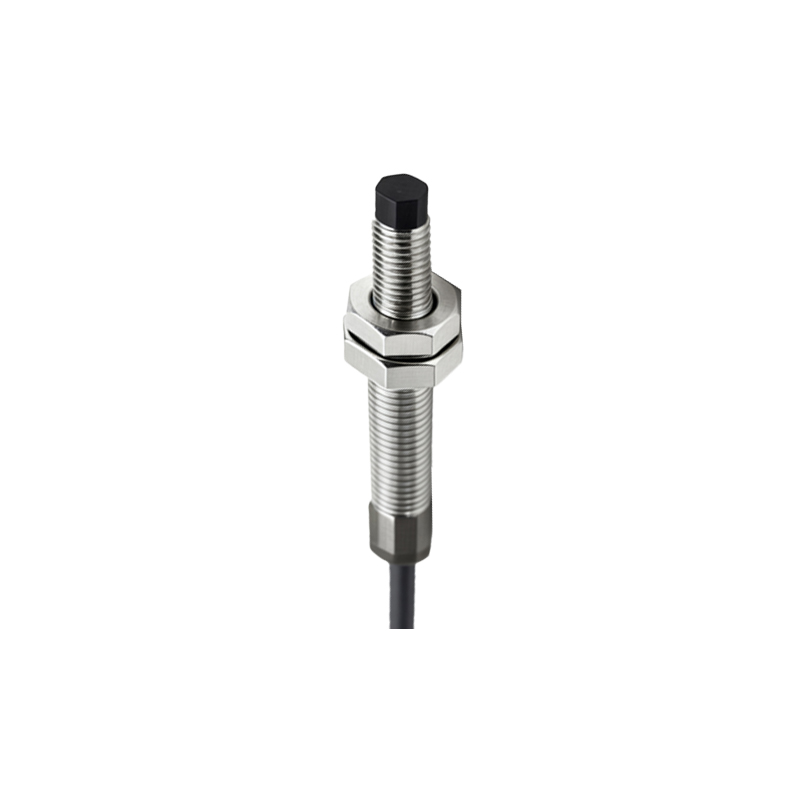
Secondly, the output configuration and electrical characteristics are crucial. Two-wire DC sensors are cost-effective but have higher residual current and voltage drop. Three-wire DC (PNP or NNP) and four-wire (dual-output) sensors offer better performance and flexibility at a higher cost. The output type—normally open (NO), normally closed (NC), or programmable—affects the price. Current rating (e.g., 200mA vs. 500mA), switching frequency, and protection ratings (IP67, IP68, IP69K) directly influence durability and cost. A sensor rated for washdown environments (IP69K) will be priced above a standard IP67 unit.
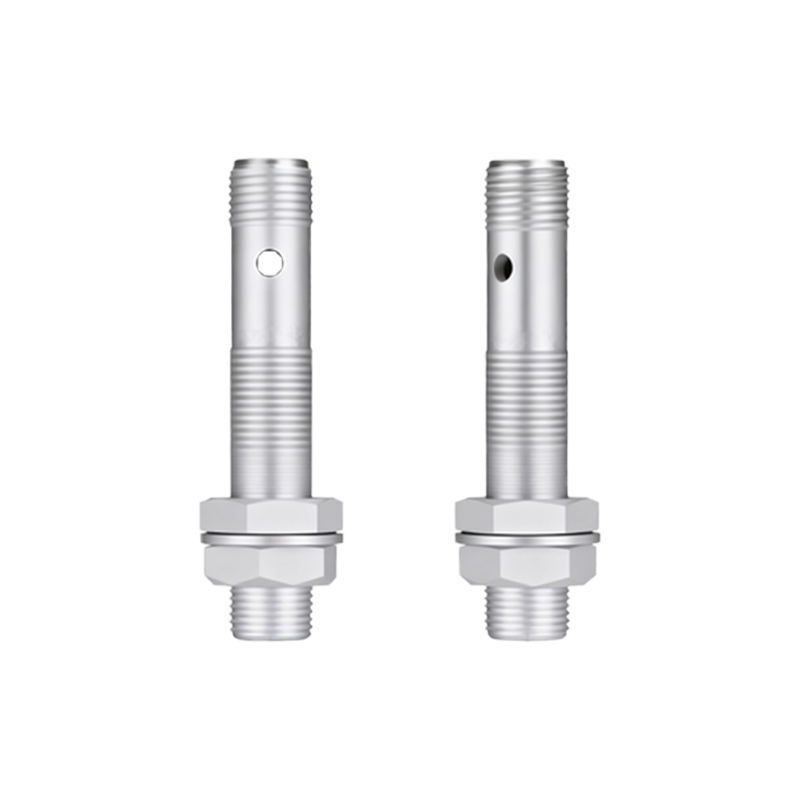
Thirdly, housing material and construction quality are vital. Brass, nickel-plated brass, or stainless steel (V2A, V4A) housings offer superior corrosion resistance compared to standard plastic or PBT housings, impacting price significantly. The quality of the sensing face (often a ceramic or specialized polymer) affects resistance to wear and chemical exposure. Manufacturers with robust quality certifications (ISO, UL, CE, ATEX for hazardous areas) inherently have higher production costs reflected in their pricing, but they offer greater long-term reliability and safety.
Fourthly, supply chain factors and brand value play a substantial role. Established global brands (e.g., Siemens, Omron, Pepperl+Fuchs, Balluff) often have higher price points due to extensive R&D, global support networks, and proven track records. However, many reputable "value" brands offer high-quality alternatives at competitive prices. Lead times can affect cost; standard items are cheaper, while custom or rush orders incur premiums. Minimum order quantities (MOQs) also affect unit pricing.
When requesting a quote, provide detailed specifications: Required sensing distance and target material; Electrical requirements (voltage range, output type, current); Housing material, size, and thread type; Connection type (cable outlet, connector); Environmental conditions (temperature, pressure, presence of coolants); Required certifications. A vague request leads to a generic quote, which may not be optimal.
In conclusion, obtaining an accurate quote for inductive proximity sensors requires a clear understanding of your application's technical needs. The cheapest option may lead to premature failure and costly downtime. Evaluate the total cost of ownership, considering installation, maintenance, and potential production losses. Partner with suppliers who offer technical support and can validate the sensor's suitability for your specific environment. Investing time in precise specification will yield the most cost-effective and reliable solution for your automation system.