In the dynamic landscape of industrial automation and machine design, the selection and application of proximity sensors are critical for ensuring operational reliability and efficiency. Square proximity sensors, long a staple in various applications due to their robust housings and reliable performance, are increasingly being evaluated against newer alternatives. This article provides a detailed technical analysis for electrical engineers considering the replacement of traditional square proximity sensors, exploring the driving factors, viable alternatives, and key implementation considerations.
The primary impetus for replacing square proximity sensors often stems from evolving application requirements. While square sensors offer excellent mechanical strength and are well-suited for environments with physical stress, their form factor can be a limitation. Modern machinery design trends favor miniaturization and higher packaging density. The fixed dimensions of a square housing may not be optimal in tight spaces where every millimeter counts. Furthermore, advancements in sensing technology have led to alternatives that offer superior performance characteristics, such as longer sensing ranges, higher switching frequencies, or enhanced resistance to specific environmental factors like extreme temperatures or washdown procedures.
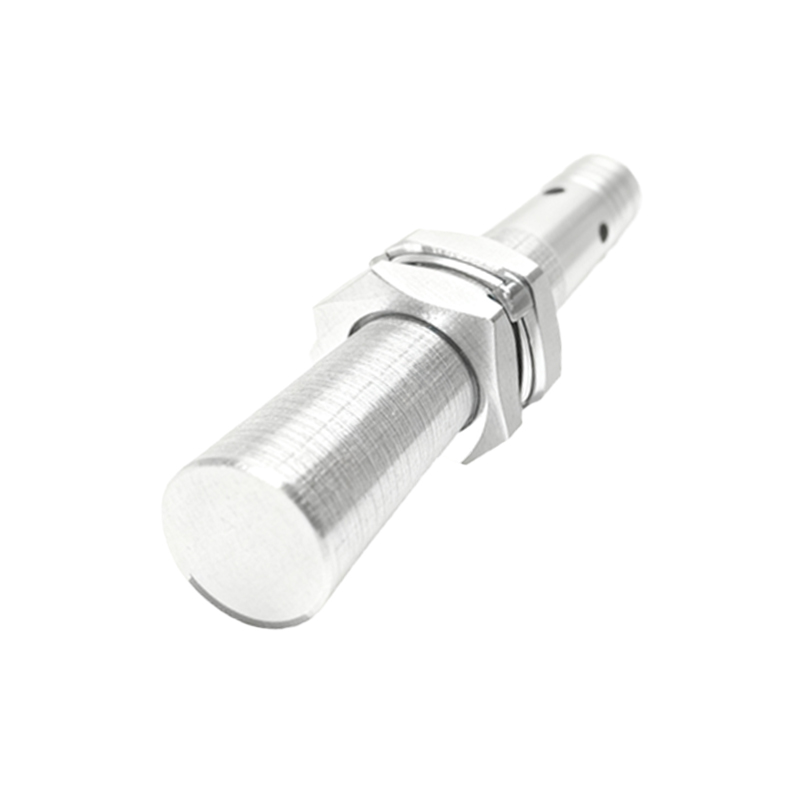
Several compelling alternatives to the classic inductive square proximity sensor exist. Cylindrical sensors represent a direct and common replacement. Available in standardized threaded barrels (e.g., M8, M12, M18, M30), they offer easier installation, better sealing for IP67/IP69K ratings, and often a more compact profile in one dimension. For applications requiring flush mounting, cylindrical sensors are inherently designed for this, reducing installation space. Rectangular or block-style sensors provide another alternative, sometimes offering a more streamlined profile than a square while maintaining a robust housing. They can also integrate multiple sensing elements or additional functionalities like logic outputs or IO-Link communication in a single unit.
A significant technological shift is the move towards factor-of-one cylindrical sensors with integrated electronics. These devices combine the sensing element and amplifier in one housing, eliminating the need for a separate amplifier box traditionally associated with some square sensor setups. This integration simplifies wiring, reduces component count, and enhances reliability. For applications demanding high precision or unique sensing capabilities, laser distance sensors or vision sensors might be considered, though at a higher cost point. They solve problems beyond simple presence detection, offering exact distance measurement or complex pattern recognition.
When planning a replacement, a thorough technical audit is non-negotiable. Engineers must first catalog the exact specifications of the incumbent square sensor: nominal sensing distance, supply voltage (e.g., 10-30V DC), output type (PNP/NPN, NO/NC), housing material (often nickel-plated brass or stainless steel), and protection class. The physical installation context is equally crucial. Assess the available space, mounting method (non-flush or flush), and the target material's properties (steel, aluminum, copper). Environmental conditions such as temperature extremes, presence of coolants, oils, or metal chips must be documented.
Electrical compatibility is paramount. The new sensor's output circuit must match the PLC or controller input card's expectations regarding polarity (sourcing vs. sinking) and signal level. Wiring modifications are often necessary; a square sensor with a separate cable gland may be replaced by a cylindrical sensor with an integrated M12 connector, requiring a change in the field wiring or the use of a cordset. Mechanical adaptation may involve designing and fabricating a simple mounting bracket to secure a cylindrical sensor in a hole previously machined for a square unit.
Performance validation post-installation is critical. Engineers should verify the actual sensing distance with the target object under real conditions, as it can differ from the nominal rating, especially with non-ferrous metals for inductive sensors. Check for false triggering due to vibration, adjacent metal objects, or accumulated debris. The sensor's response time must be adequate for the application's cycle speed. Implementing a new sensor type also presents an opportunity to upgrade system diagnostics. Modern sensors with IO-Link capability can provide valuable data on operating hours, temperature stress, and signal quality, enabling predictive maintenance.
In conclusion, replacing square proximity sensors is not merely a component swap but a strategic engineering decision. Cylindrical sensors, integrated factor-of-one devices, and advanced photoelectric or ultrasonic sensors offer viable pathways to overcome spatial constraints, enhance performance, and future-proof machinery. Success hinges on a meticulous analysis of technical specifications, physical constraints, and electrical interfaces. By following a disciplined approach to selection and integration, electrical engineers can drive improvements in machine design, reliability, and operational intelligence, ensuring that sensor technology keeps pace with the demands of modern industrial automation.