Laser sensors are critical components in modern industrial automation, providing precise, non-contact measurement for positioning, inspection, and control. A laser sensor disconnection represents a significant fault condition that can halt production lines, cause quality deviations, and lead to costly downtime. This article delves into the root causes, systematic diagnostic procedures, and effective prevention strategies for laser sensor disconnection in industrial environments.
The primary causes of laser sensor disconnection can be categorized into electrical, mechanical, and environmental factors. Electrically, intermittent or complete breaks in the sensor's cabling or connectors are common culprits. Vibration, repeated flexing, or physical impact can degrade wire integrity over time, leading to open circuits. Poorly crimped or corroded connector pins within the M8, M12, or other industrial-grade housings can also create high-resistance connections that eventually fail. Furthermore, power supply issues, such as voltage spikes, sags, or noise from adjacent high-power equipment, can disrupt the sensor's internal circuitry, mimicking a disconnection fault.

Mechanically, misalignment is a frequent issue. Even a slight deviation from the optimal sensing axis can cause the laser beam to miss its intended target or receiver, resulting in a loss of signal interpreted as a disconnection. Mounting brackets loosened by vibration or thermal cycling can induce such misalignment. Physical damage to the sensor's lens or emitter from debris, collisions, or harsh cleaning processes can also impair its function.
Environmental stressors play a substantial role. Excessive ambient light, particularly from other lasers or intense industrial lighting, can saturate the sensor's receiver. Contaminants like dust, oil mist, coolant, or smoke can accumulate on the optical surfaces, attenuating the laser beam. Extreme temperatures beyond the sensor's specified operating range can affect electronic component performance and the physical properties of cables and enclosures.
Diagnosing a suspected laser sensor disconnection requires a methodical approach. First, consult the machine's Human-Machine Interface (HMI) or programmable logic controller (PLC) for specific error codes; many modern sensors communicate detailed status via IO-Link or similar protocols. A visual inspection is essential: check for obvious cable damage, secure connector mating, and clean optical windows. Use a multimeter to verify continuity along the cable and check for proper supply voltage at the sensor's terminals. For alignment checks, many sensors feature a built-in signal strength indicator (often an LED); observing this while making minute adjustments can confirm proper beam reception. If available, temporarily substituting the sensor with a known-good unit can quickly isolate the fault to the sensor itself or the external wiring and controller.
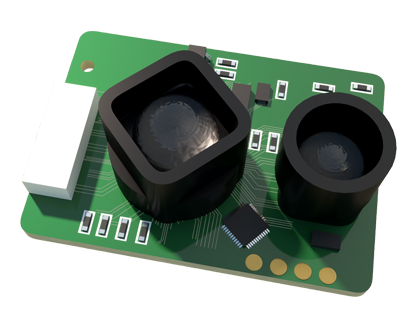
Prevention is paramount for maintaining system reliability. Implement robust cable management: use strain relief at both sensor and junction box connections, route cables away from moving parts and heat sources, and employ flexible, shielded cable suitable for continuous motion if needed. Regular preventive maintenance schedules should include checking and re-tightening mountings, cleaning lenses with approved materials, and inspecting connectors for corrosion. Electrical protection, such as surge suppressors and dedicated, stabilized power supplies, can shield sensors from line disturbances. When selecting sensors, choose models with an appropriate Ingress Protection (IP) rating (e.g., IP67 for washdown environments) and robust housing for the specific application. Finally, ensure proper training for personnel on the handling, installation, and troubleshooting of laser sensing equipment.
In conclusion, a laser sensor disconnection is a multifaceted problem with solutions rooted in understanding its etiology. By combining systematic diagnostics with proactive engineering and maintenance practices, engineers can significantly enhance the uptime and performance of systems reliant on these precise optical devices. A focus on quality components, correct installation, and environmental hardening transforms reactive troubleshooting into predictable, reliable operation.
